Category: Boat Building

  • Best Boat Building Techniques for Stability

    Best Boat Building Techniques for Stability

    When building a boat, stability is one of the most important factors to consider. Whether you’re building a small rowboat, a canoe, or a large yacht, ensuring that your boat is stable will keep you safe and make your time on the water more enjoyable. Stability can be achieved through design, materials, and construction techniques. In this article, we will explore the best boat building techniques for stability.

    1. Use a Wide Beam Design

    One of the easiest ways to increase stability is to design your boat with a wide beam. A wider beam means the boat has a larger base of support, which helps prevent it from tipping over easily. This is particularly important for smaller boats, like dinghies or rowboats, where stability can be a concern.

    When designing or selecting a boat, consider the overall width in relation to its length. A wide beam provides a lower center of gravity and offers better balance, especially when the boat is loaded with gear or passengers.
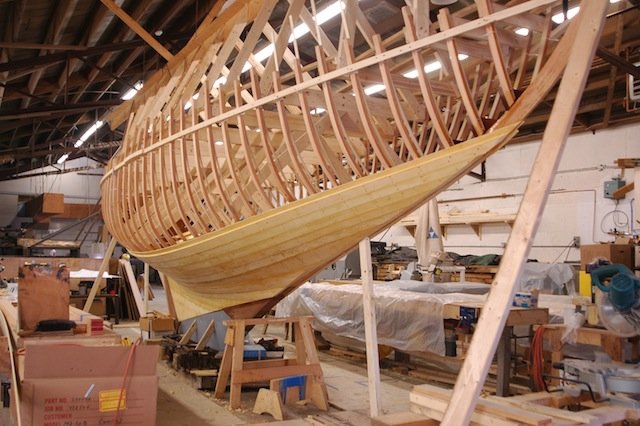
    Best Boat Building Techniques for Stability
    Best Boat Building Techniques for Stability

    2. Build a Flat Bottom Hull

    A flat bottom hull is another technique that can help enhance stability. Boats with a flat bottom tend to sit more evenly in the water, reducing the risk of tipping. This design is often used for small boats, such as skiffs and rowboats, where stability on calm water is key.

    While flat-bottomed boats are stable, they may not perform as well on rough, choppy waters because they don’t handle waves as effectively. However, for beginners or boats that will be used in calm lakes and rivers, a flat bottom provides a simple, stable solution.

    3. Incorporate Bilge Keels

    Bilge keels are small, additional fins or projections that run along the bottom of a boat, usually along the sides. They are often used on sailboats or larger vessels to improve stability. Bilge keels help prevent the boat from rolling too much side-to-side by increasing resistance against the water.

    By reducing the boat’s tendency to rock, bilge keels allow for a smoother and safer ride. They are particularly beneficial for boats that are expected to carry a heavy load or face strong winds.

    4. Design for a Low Center of Gravity

    A low center of gravity is crucial for boat stability. The lower the center of gravity, the less likely the boat is to tip or roll. To achieve a low center of gravity, ensure that the heaviest components of the boat, such as the engine or batteries, are placed as low as possible in the hull.

    Additionally, when building the boat, use materials that are dense and heavy at the bottom. For example, you might want to install heavier flooring or ballast near the base of the boat to help lower its center of gravity. This will make the boat more resistant to tipping.

    5. Opt for a V-Shaped Hull

    A V-shaped hull is an excellent design for boats that need both stability and speed. The shape of the hull helps the boat cut through the water, making it easier to maneuver. The V-shape also helps distribute the boat’s weight more evenly, improving overall stability.

    For larger boats, such as yachts or powerboats, a deep V-shaped hull can reduce the risk of rolling in rough waters, offering stability even in choppy conditions. The more pronounced the V-shape, the better the boat will perform in unpredictable waves.

    6. Incorporate Outriggers

    Outriggers are additional floats or beams that extend out from the sides of a boat, providing extra support. They are often used in canoes and small fishing boats to increase stability. The outriggers help to distribute the boat’s weight more evenly and prevent it from tipping.

    While outriggers can increase drag, they significantly improve the boat’s stability, particularly when carrying extra gear or passengers. For beginners, this can be a great way to feel more secure when out on the water.

    7. Add a Deep Transom for Stability

    The transom is the rear part of the boat, and the depth of the transom can influence the boat’s stability. A deep transom provides more buoyancy at the back of the boat, helping to balance out weight and prevent the boat from tipping forward or backward.

    For boats that will carry heavy loads or have an outboard motor, a deep transom is essential. It helps keep the boat stable by ensuring that the weight is distributed evenly across the entire boat, rather than having it tilt backward.

    8. Use Sturdy, Lightweight Materials

    The materials you choose for building the boat play a significant role in its stability. It’s important to select materials that are both lightweight and strong. For example, marine plywood is often used in boat construction because it’s durable and resistant to water, while being lighter than solid wood. Additionally, using fiberglass for reinforcement helps improve the boat’s strength without adding unnecessary weight.

    A well-constructed boat with sturdy, lightweight materials will maintain its stability even when faced with challenging conditions. This makes sure that the boat performs well and holds up over time.

    9. Strengthen the Hull with Fiberglass and Resin

    Reinforcing the hull with fiberglass and resin is an essential technique for increasing a boat’s stability. Fiberglass adds strength and rigidity, while epoxy resin bonds the fiberglass to the hull and seals it against water. This combination provides a more durable boat that can handle the stress of the water without losing shape.

    Fiberglass-reinforced hulls also improve overall stability by ensuring that the boat maintains its structural integrity under pressure. This is especially important for boats that will face rough water or carry heavy loads.

    Conclusion

    Building a stable boat is essential for safety and performance. By incorporating techniques such as a wide beam design, flat-bottom hull, bilge keels, low center of gravity, and fiberglass reinforcement, you can create a boat that remains steady and balanced in various conditions. Whether you are a beginner boat builder or a seasoned expert, these techniques will help ensure that your boat is both safe and enjoyable to use on the water.

  • How To Maintain A Handmade Boat

    How To Maintain A Handmade Boat

    Maintaining a handmade boat is essential to ensure its longevity and performance. Boat maintenance for handmade boats requires regular care and attention to both the exterior and interior. With proper upkeep, your boat will continue to serve you for many years. Whether it’s for wooden boat care or preserving the boat’s structural integrity, regular maintenance should always be a priority.

    How To Maintain A Handmade Boat
    How To Maintain A Handmade Boat

    Clean Your Boat Regularly

    Regular cleaning is one of the simplest yet most important maintenance tasks. Over time, dirt, salt, and algae can build up on the boat’s surface, leading to damage and deterioration. Start by rinsing off salt water after every trip to prevent salt buildup, which can cause corrosion or damage to the wood. For wooden boat maintenance, use a mild detergent or boat cleaner and a soft brush to scrub the hull, deck, and other surfaces. Be sure to dry the boat completely after cleaning to prevent water damage.

    Check the Hull for Damage

    Inspect the hull regularly for cracks, chips, or any signs of wear and tear. Inspecting your handmade boat’s hull should be done every few months, especially after long trips or exposure to rough waters. If you find any damage, address it immediately by applying epoxy or fiberglass repair kits designed for wooden or handcrafted boats. The longer you wait to repair damages, the greater the risk of further deterioration.

    Maintain the Boat’s Wood

    Wooden boats require special care to protect the wood from moisture, decay, and wear. Regularly apply wood preservatives for handmade boats to maintain the wood’s integrity. You can use varnish or oil to protect the wood from the elements. When applying varnish, ensure the boat is clean and dry before application. Reapply varnish at least once or twice a year, depending on how frequently the boat is used. This helps maintain the wood’s shine and adds a protective layer against moisture.

    Care for the Boat’s Interior

    The interior of the boat should also be checked regularly. Wood and upholstery can become damaged due to moisture, dirt, and wear. If you have upholstery on your handmade boat, vacuum it regularly and clean it with a gentle fabric cleaner to avoid stains. Check for mold or mildew, which can grow in damp conditions. Keep the interior dry and well-ventilated to prevent these issues.

    Maintain the Engine and Mechanical Components

    If your handmade boat is equipped with an engine, it’s crucial to follow a regular maintenance schedule. Boat engine maintenance should include checking oil levels, inspecting fuel lines, and cleaning or replacing the fuel filters. Always check the engine for any leaks or signs of wear. Keep the engine properly lubricated to prevent it from overheating, and run it periodically even during the off-season to ensure it remains in good working condition.

    Store Your Handmade Boat Properly

    Storing your handmade boat correctly is vital to prevent damage during the off-season. Always store it in a dry, cool location that’s sheltered from extreme weather conditions. If you’re storing your boat outdoors, use a high-quality boat cover for handmade boats to protect it from rain, snow, and UV rays. Additionally, lifting the boat off the ground and placing it on supports or a cradle helps prevent moisture buildup underneath, which can lead to rot.

    Protect the Boat’s Metal Parts

    Many handmade boats have metal components such as fittings, anchors, and propellers. These metal parts are susceptible to corrosion, especially in saltwater environments. Regularly inspect the boat’s metal fittings and apply corrosion-resistant coatings to protect them from rust. Clean metal components with fresh water after each trip to prevent salt and grime buildup. If you notice any rust, clean it immediately and apply a protective coating to prevent further corrosion.

    Regularly Check the Boat’s Hardware

    Ensure all the boat’s hardware, such as screws, nails, and fasteners, are in good condition. Tighten any loose components and replace any parts that are damaged or showing signs of rust. Inspect the boat’s rigging and hardware, including cleats, shackles, and pulleys, to ensure they remain in good working order.

    Conclusion

    Maintaining a handmade boat is a rewarding process that ensures the boat remains in excellent condition. Regular cleaning, wood preservation, engine maintenance, and storage are all crucial for keeping your boat safe and functional. By following these boat maintenance tips for handmade boats, you can ensure your boat continues to provide many years of enjoyment.

  • Top Boat Building Kits for Beginners

    Top Boat Building Kits for Beginners

    If you’ve always dreamed of building your own boat but don’t know where to start, a boat building kit is a perfect solution. These kits provide all the materials and instructions you need to create a high-quality boat, even if you have no previous woodworking experience. In this guide, we’ll explore some of the best boat building kits for beginners, helping you find the right one for your project.

    1. Cedar Strip Canoe Kit by Bear Mountain Boats

    One of the top boat building kits for beginners is the Cedar Strip Canoe Kit by Bear Mountain Boats. This kit provides you with pre-cut cedar strips, fiberglass, epoxy, and detailed instructions to help you build a beautiful and lightweight canoe.

    Bear Mountain Boats is known for its user-friendly designs and excellent customer service. This kit is ideal for beginners because it includes everything you need, and the instructions guide you step-by-step through the entire process. It may take some time to build, but the end result is a stunning, functional canoe perfect for exploring lakes or rivers.

    Top Boat Building Kits for Beginners
    Top Boat Building Kits for Beginners

    2. Dory Boat Kit by Clarity Boats

    If you’re looking for a small, sturdy boat for your first project, the Dory Boat Kit by Clarity Boats is an excellent choice. Dories are classic wooden boats known for their stability and simplicity.

    This kit includes everything required to build a traditional dory, including marine plywood, epoxy, and instructions for assembly. It’s perfect for beginners due to its straightforward design, and the dory’s flat-bottom shape makes it easy to build and stable on the water.

    With this kit, you can build a boat that’s not only functional but also great for fishing or short trips on calm waters.

    3. Plywood Skiff Kit by WoodenBoat Store

    The Plywood Skiff Kit by WoodenBoat Store is another top choice for beginners. A skiff is a small, flat-bottom boat that’s easy to handle and requires minimal maintenance.

    This kit comes with pre-cut plywood pieces, fasteners, fiberglass cloth, and epoxy resin. It also includes an instructional manual that walks you through each step of the building process. The plywood skiff is simple to construct, making it ideal for beginners who want to start small and work up to larger projects.

    Once completed, this skiff is great for short trips, fishing, and recreational use. It’s durable and easy to maintain, which makes it a perfect first boat project.

    4. Wherry Rowboat Kit by Chesapeake Light Craft

    For those interested in building a small rowboat, the Wherry Rowboat Kit by Chesapeake Light Craft is a fantastic choice. This boat is known for its elegant design and versatility, making it a great option for beginners who want a boat that’s easy to row and maintain.

    The kit comes with everything you need, including plywood, epoxy, fiberglass cloth, and a complete set of instructions. The assembly process involves building a lapstrake hull, which can be a bit challenging for absolute beginners but is still manageable with the detailed instructions provided.

    The Wherry Rowboat is perfect for beginners who are interested in learning to row or for those looking for a small boat for calm water exploration.

    5. Kayak Building Kit by The Wooden Kayak Company

    If you’re interested in building a kayak, the Kayak Building Kit by The Wooden Kayak Company is a top pick for beginners. This kit provides pre-shaped plywood panels, epoxy resin, fiberglass cloth, and all the necessary hardware. It also includes step-by-step instructions that are easy to follow, making it a great introduction to building a kayak from scratch.

    The design is lightweight and efficient, ideal for beginner builders who want to create a functional and beautiful boat for paddling on lakes and rivers. The kit is customizable, allowing you to choose between different sizes and features, making it a great choice for beginners who want flexibility in their project.

    6. Lumber Yard Rowboat Kit by Spira International

    The Lumber Yard Rowboat Kit by Spira International is a great option for beginners looking for a small, simple rowboat to build. This kit includes all the materials needed to construct a sturdy rowboat, including marine plywood, epoxy, and fiberglass.

    The easy-to-follow instructions take you step-by-step through the assembly, and the end result is a lightweight and durable rowboat that’s perfect for fishing or short outings on calm water. This kit is an excellent choice for those who want a fun and affordable DIY boat project.

    7. Classic Wooden Dinghy Kit by Adirondack Guideboats

    The Classic Wooden Dinghy Kit by Adirondack Guideboats is a top boat building kit for beginners looking to build a small, stylish boat. This dinghy is versatile, with a design that’s both practical and aesthetically pleasing. It’s a great choice for beginners because it’s straightforward to build, with no complicated techniques required.

    The kit comes with all the materials you need, including pre-cut plywood, fiberglass, and epoxy, along with detailed instructions. Once completed, this dinghy makes a great tender for larger boats or a personal vessel for short, leisurely outings.

    Conclusion

    Starting a boat building project as a beginner doesn’t have to be overwhelming. With the right boat building kit, you can create a beautiful, functional boat without the need for advanced skills. The kits mentioned above are perfect for those new to boat building, offering everything from canoes and kayaks to rowboats and dinghies. By selecting one of these top boat building kits for beginners, you’ll be well on your way to crafting your very own watercraft. Happy building!

  • How to Build a Small Wooden Boat Step by Step

    How to Build a Small Wooden Boat Step by Step

    Building a small wooden boat is an exciting and rewarding project that allows you to create a beautiful, functional vessel. Whether you want a simple rowboat, canoe, or small dinghy, following the right steps can help you bring your dream boat to life. Here’s a simple, step-by-step guide on how to build a small wooden boat.

    Step 1: Plan Your Boat

    Before you start building, it’s important to have a clear plan. Decide what type of boat you want to build and determine the dimensions and materials needed. You can either find a pre-made design or draw your own. Popular choices for small boats are skiffs, dinghies, or canoes, which are usually about 10 to 16 feet long.

    Materials Needed:

    • Marine plywood
    • Wood for framing (cedar, mahogany, or oak)
    • Epoxy resin and fiberglass cloth
    • Screws and nails
    • Sandpaper
    • Paint or varnish
    How to Build a Small Wooden Boat Step by Step
    How to Build a Small Wooden Boat Step by Step

    Step 2: Build the Frame

    Once you have your plan, start building the boat’s frame. Begin by cutting the wooden pieces to the correct dimensions. The frame consists of several components, including the keel (the bottom central beam), the ribs (side supports), and the stem (the front part of the boat).

    Use a strong adhesive like epoxy to attach the pieces together. Make sure everything is square and aligned correctly, as the frame will provide the structure for the rest of the boat.

    Step 3: Attach the Bottom and Sides

    After the frame is built, the next step is to attach the plywood panels to the frame. Start with the bottom panel, cutting it to the shape of the boat’s bottom. Apply epoxy resin along the edges and screw it into place on the frame.

    Next, cut and attach the side panels to the frame. Make sure they are well-aligned and that the seams fit tightly. For extra strength, apply fiberglass cloth and epoxy resin over the seams.

    Step 4: Build the Boat’s Transom and Stern

    The transom is the back part of the boat where the motor (if any) will be attached. Cut the transom to the desired shape and size, then fit it into place. It should be securely fastened to the sides of the boat with epoxy and screws.

    For a clean finish, add extra support along the edges of the transom. Ensure that everything is level and aligned to keep the boat’s structure strong.

    Step 5: Sand and Smooth the Surface

    Once the frame and panels are attached, it’s time to smooth out any rough areas. Sand the surfaces with medium-grit sandpaper and then finish off with fine-grit sandpaper to ensure a smooth surface. This will help with paint adhesion later and give your boat a polished look.

    Be sure to sand the edges where the wood meets, paying special attention to any joints or seams.

    Step 6: Apply Epoxy Resin and Fiberglass

    To protect your boat from water damage, you need to apply epoxy resin and fiberglass. Start by applying a layer of epoxy resin over the entire boat. Once the resin is applied, lay fiberglass cloth over the boat, ensuring it covers all exposed wooden areas.

    After the fiberglass is in place, apply another layer of epoxy resin over the cloth. Let the resin cure as per the instructions, which may take a day or two depending on the product. The fiberglass will provide an additional layer of strength and water resistance.

    Step 7: Paint or Varnish the Boat

    Now that your boat is protected, it’s time to add the finishing touches. You can choose to either paint or varnish the boat, depending on the look you want. Marine-grade paint will provide additional protection against the elements, while varnish will give your boat a natural, glossy finish.

    Apply multiple layers of paint or varnish, letting each layer dry fully before adding the next. This will ensure your boat looks great and lasts for a long time.

    Step 8: Install the Hardware

    After the paint or varnish is dry, it’s time to install any hardware. This includes things like oarlocks, seats, a rudder (if needed), and any other accessories for your boat. Ensure everything is securely fastened and that there are no sharp edges or parts that could cause injury.

    Step 9: Test Your Boat

    Once all the finishing touches are complete, it’s time to take your boat for a test ride. Head to a calm body of water, like a lake, and gently float your boat. Check for stability and make sure there are no leaks. If everything works well, your boat is ready for use!

    Conclusion

    Building a small wooden boat step by step is a fun and rewarding project that requires patience, precision, and the right materials. By following these simple steps, you can create a boat that’s both beautiful and functional. From planning to finishing touches, each step brings you closer to enjoying your very own handcrafted boat. With a bit of effort and attention to detail, you’ll soon be on the water with a boat you made yourself!

  • Safety Considerations During Boat Building Projects

    Safety Considerations During Boat Building Projects

    Building a boat can be exciting, but safety must always come first. Following essential safety considerations during boat building projects ensures your well-being and protects your tools and materials. Whether you’re a beginner or an experienced builder, prioritizing safety creates a smoother and safer experience.

    Safety Considerations During Boat Building Projects
    Safety Considerations During Boat Building Projects

    Wear Proper Safety Gear

    Always wear appropriate safety gear. Essential items include:

    • Safety goggles to protect your eyes from dust, debris, and sharp tools.
    • Gloves for handling rough or sharp materials.
    • Hearing protection to guard against loud machinery.
    • Respirators to avoid inhaling harmful fumes from paint or resins.

    Using proper gear is a basic but critical step for staying safe.

    Maintain a Clean Workspace

    A cluttered workspace can lead to accidents. Keep tools, materials, and equipment organized and clean up spills immediately. Good lighting and proper ventilation also reduce hazards. Searching for “how to organize a boat-building workshop” can provide additional tips for creating a safe space.

    Handle Tools Correctly

    Boat building requires various tools, from saws to sanders. Learn how to use each tool properly, and never operate unfamiliar equipment without guidance. Regularly inspect tools for wear and tear, and replace damaged ones immediately.

    Work with Chemicals Safely

    Resins, paints, and adhesives used in boat building often release harmful fumes. Always work in well-ventilated areas and use a respirator when handling these chemicals. Store them in labeled containers and away from heat or flames to prevent accidents.

    Follow Weight and Stability Guidelines

    If you’re assembling large boat sections, always consider weight and balance. Improperly secured parts can topple, leading to injury. Use sturdy supports and clamps to keep materials stable during assembly.

    Avoid Electrical Hazards

    Boat building often involves power tools and electrical components. Check all wiring and tools for damage before use. Use a Ground Fault Circuit Interrupter (GFCI) outlet for added safety and keep cords away from wet areas.

    Take Breaks

    Fatigue increases the likelihood of accidents. Regular breaks help you stay focused and aware of your surroundings. Overworking can lead to mistakes, which may jeopardize safety and the quality of your boat.

    Plan for Emergency Situations

    Keep a first aid kit, fire extinguisher, and emergency contact numbers readily available. Knowing how to respond quickly to injuries or accidents can prevent further harm.

    Secure Heavy Equipment

    Boat building often requires moving and securing heavy materials. Use proper lifting techniques to avoid strain or injury. For larger pieces, consider using pulleys or asking for help to lift and position them safely.

    Conclusion

    Safety considerations during boat-building projects are essential for a successful and accident-free experience. From wearing proper gear to handling tools and chemicals carefully, each step contributes to a safer process. By staying organized, following guidelines, and taking precautions, you can enjoy the satisfaction of building a boat while keeping risks to a minimum.

  • Best Teak Lumber for Boat Building Projects

    Best Teak Lumber for Boat Building Projects

    When it comes to boat building, choosing the best teak lumber for boat building projects is crucial. Teak has been a favorite wood for centuries due to its strength, beauty, and resistance to water. Whether you are a professional boat builder or a hobbyist, understanding why teak is ideal for boat building will help you make an informed choice.

    Why Choose Teak Lumber for Boat Building?

    Teak lumber stands out as the best choice for boat building projects. It is naturally water-resistant and durable, making it perfect for use in harsh marine environments. Moreover, teak’s rich color and smooth grain add a touch of elegance to any boat. Its resistance to rot and decay is unmatched, ensuring that your boat remains strong and beautiful for many years.

    Best Teak Lumber for Boat Building Projects
    Best Teak Lumber for Boat Building Projects

    The Strength and Durability of Teak

    Teak wood is known for its high density, which gives it incredible strength. This is one of the primary reasons why it is used in boat building. Whether you’re building the hull, deck, or interior, teak provides the strength necessary to withstand the forces of the sea. The natural oils in teak also protect it from saltwater and extreme weather conditions, making it a reliable choice for any boat builder.

    Why Teak is Perfect for the Marine Environment

    The best teak lumber for boat building projects is especially valuable in the marine environment. Teak’s oils act as a natural preservative, protecting it from water damage, rot, and mold. These oils also keep the wood from cracking and splitting over time. This makes teak one of the best options for boats that need to endure constant exposure to water and humidity.

    How to Choose the Best Teak Lumber for Your Boat

    When selecting teak lumber for your boat building project, there are a few things to consider. First, always look for high-quality teak with minimal knots and defects. Higher-quality teak is more durable and resistant to damage. Next, ensure that the teak is sustainably sourced. Many boat builders prefer teak that comes from certified sustainable sources, ensuring that their projects are environmentally responsible.

    Teak Lumber for Boat Decks and Interior

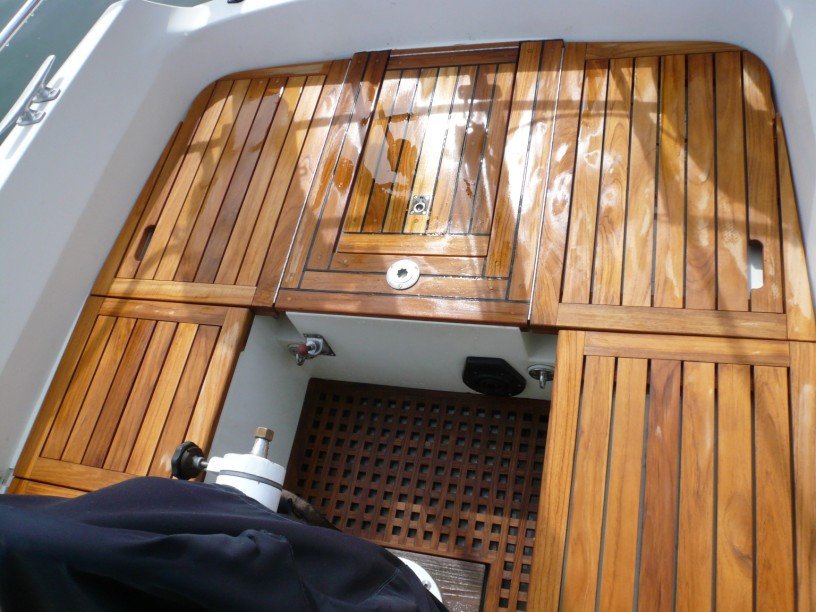
    Teak is not just great for the exterior of the boat; it’s also perfect for the interior. Its beauty and resilience make it an excellent choice for boat decks, floors, and even furniture. Teak decks are popular because they provide a non-slip surface, which is essential when navigating wet areas. Furthermore, teak’s warm tones give the interior a luxurious and inviting feel, adding value to your boat.

    Maintaining Teak Lumber for Long-Lasting Beauty

    Once you’ve chosen the best teak lumber for your boat building project, it’s important to take care of it to ensure its longevity. Teak is low-maintenance but requires some care to maintain its appearance. Regular cleaning with a gentle cleanser will remove dirt and grime. You can also apply teak oil to preserve its rich color and keep it from drying out. For outdoor areas like decks, sealing the wood every couple of years will help maintain its water resistance.

    Teak Alternatives for Boat Building

    While teak is often regarded as the best choice, there are some alternatives. Mahogany and oak are also popular woods for boat building, but they don’t offer the same level of water resistance as teak. They are also more prone to decay in harsh marine conditions. However, if teak is not an option, you can use these alternatives, but they may require more maintenance over time.

    Conclusion

    The best teak lumber for boat building projects offers a combination of strength, durability, and beauty that no other wood can match. Its water resistance, natural oils, and long-lasting qualities make it the perfect choice for both professionals and hobbyists alike. Whether you’re building a small dinghy or a large yacht, teak is sure to provide the quality and reliability you need for your boat building project. By choosing the best teak lumber, you’re ensuring that your boat will not only look amazing but also stand the test of time.

  • Innovations In Sustainable Boat Building Materials

    Innovations In Sustainable Boat Building Materials

    Sustainability is becoming a key focus in boat building. Innovations in sustainable boat building materials are transforming the industry, offering eco-friendly alternatives that don’t compromise on quality. Whether you’re a hobbyist or a professional, learning about these materials can help you make better choices for the environment.

    Innovations In Sustainable Boat Building Materials
    Innovations In Sustainable Boat Building Materials

    Recycled Plastics

    Recycled plastics are now widely used in sustainable boat construction. These materials, often sourced from discarded bottles and fishing nets, are turned into durable components like hulls and decking. Many companies are exploring “innovative uses of recycled plastics in boat building” to reduce plastic waste and create high-performance boats.

    Bamboo-Based Composites

    Bamboo, a fast-growing and renewable resource, is gaining attention in boat building. It is lightweight, strong, and sustainable. Innovations in bamboo-based composites make it a viable alternative to traditional materials. Searching for “bamboo composites for sustainable boat construction” will show how builders are using this versatile material.

    Bio-Based Resins

    Traditional boat-building resins often rely on petroleum-based chemicals, which are harmful to the environment. Today, bio-based resins derived from natural sources like soybeans and algae are replacing them. These eco-friendly resins reduce carbon footprints and maintain strength. Keywords like “advantages of bio-based resins in boat building” can help you explore more.

    Wood Alternatives

    Using sustainably harvested wood or engineered wood products can significantly reduce environmental impact. Engineered woods like laminated veneer lumber (LVL) are made from renewable resources and are highly durable. Explore “sustainable wood options for modern boat construction” to find more eco-conscious alternatives.

    Natural Fiber Reinforcements

    Fiberglass and carbon fiber are popular in boat building but are not always sustainable. Natural fibers like flax, hemp, and jute are now being used to reinforce composites. These materials are biodegradable and lower the boat’s overall environmental impact. Research “natural fiber composites in sustainable marine design” to learn how these innovations are changing the industry.

    Aluminum Alloys

    Recyclable aluminum alloys are increasingly used in boat building due to their strength, lightweight properties, and sustainability. They are also resistant to corrosion, making them perfect for marine environments. Searching “benefits of aluminum alloys for sustainable boats” will provide more insights.

    Reclaimed Materials

    Reclaimed wood, metals, and plastics are finding new life in boat construction. Using reclaimed materials not only saves resources but also adds a unique aesthetic to the boats. Check out “how to use reclaimed materials in boat building” to discover creative ways to incorporate them into your project.

    Renewable Energy Integration

    In addition to sustainable materials, innovations now include renewable energy sources like solar panels integrated into the boat’s design. Combining these technologies with eco-friendly materials creates truly sustainable vessels.

    Conclusion

    The shift toward sustainable boat-building materials is an exciting development in the marine industry. From recycled plastics and bio-based resins to bamboo composites and natural fibers, these innovations pave the way for greener waters. By adopting these eco-friendly options, boat builders can contribute to environmental preservation while maintaining high performance and durability.

  • DIY Boat Building Tips For Beginners

    DIY Boat Building Tips For Beginners

    When starting your DIY boat-building journey, pick a simple design. For beginners, flat-bottomed boats or small canoes are easier to build. Look for designs labeled as “best DIY boat plans for beginners” to find straightforward guides. A simple design makes the process less intimidating and more enjoyable.

    DIY Boat Building Tips For Beginners
    DIY Boat Building Tips For Beginners

    Use Affordable Materials

    Beginner boat builders should use affordable but durable materials like marine plywood. It’s lightweight, water-resistant, and easy to handle. Search for “budget-friendly boat building materials for DIY projects” to find the best options. Starting with cost-effective materials helps you learn without overspending.

    Set Up a Proper Workspace

    Having a suitable workspace is crucial for DIY boat building. Choose a well-lit, ventilated area with enough room to move around. Keep your tools and materials organized to avoid frustration. For small spaces, search for “how to organize a workspace for DIY boat building.”

    Gather the Right Tools

    Having the right tools makes your project smoother. Essential tools include a saw, drill, clamps, tape measure, and sandpaper. Research “basic tools needed for boat building” to ensure you have everything you need. Quality tools save time and improve your results.

    Follow Step-by-Step Instructions

    Stick to step-by-step instructions to avoid confusion. Many free and paid guides are available online under “step-by-step DIY boat building tutorials for beginners.” These guides provide clear directions and prevent costly mistakes.

    Measure and Cut Precisely

    Accurate measurements are key to building a sturdy boat. Always double-check your measurements before cutting materials. Look up “tips for accurate measuring and cutting in boat building” for expert advice. Precision reduces waste and ensures a well-fitted structure.

    Use Waterproof Adhesives

    For DIY boat building, use waterproof adhesives to join pieces together. These adhesives create strong, durable bonds. Keywords like “best waterproof adhesives for boat building” can help you choose the right products. A strong adhesive ensures your boat stays intact.

    Sand the Edges Smooth

    Sanding the edges smooths out any rough cuts and prevents splinters. It also ensures a snug fit for parts that need to be aligned. Research “how to sand boat parts effectively” for tips on improving this step. Proper sanding makes your boat safe and visually appealing.

    Seal and Paint the Boat

    Sealing your boat is essential to prevent water damage. Use marine-grade epoxy or sealant to coat every surface. Once sealed, paint your boat with marine-grade paint for added protection. Search for “best sealing and painting tips for DIY boats” to learn more. This step increases the lifespan of your boat.

    Test Your Boat in Calm Waters

    Before heading out for an adventure, test your boat in calm, shallow waters. Check for leaks, balance, and overall performance. Fix any issues immediately to ensure safety. Look up “how to test a DIY boat for safety” to find helpful testing tips.

    Conclusion

    Building a boat as a beginner is both exciting and rewarding. By choosing a simple design, using affordable materials, and following detailed instructions, you can create a sturdy boat. Take your time with each step and don’t hesitate to search for additional resources. With patience and dedication, your DIY boat-building project will be a success, giving you a sense of pride every time you set sail.

  • Steps To Start A Boat Building Project

    Steps To Start A Boat Building Project

    The first step in starting a boat-building project is selecting the right boat design. Consider your purpose: Is it for fishing, leisure, or water sports? Search for long tail keywords like “best small boat designs for beginners” or “affordable fishing boat plans” to find detailed and easy-to-follow guides. Choosing a design that matches your experience level is crucial for success.

    Steps To Start A Boat Building Project
    Steps To Start A Boat Building Project

    Gather All the Necessary Materials and Tools

    Next, collect everything you need. Use durable materials like marine-grade plywood or cedar, which are water-resistant and reliable. Also, ensure you have tools such as saws, drills, clamps, and sanders. Preparing everything in advance saves time and keeps your project on track.

    Prepare a Suitable Workspace

    After gathering materials, set up your workspace. Find a dry, well-ventilated area with enough room to move around. Organize your tools and materials carefully so you can easily access them. A clean and organized workspace allows you to focus and work more efficiently.

    Start Building the Boat Frame

    Now, it’s time to build the frame. Follow your boat design step by step. Always check the alignment to ensure precision; even small mistakes can cause problems later. Use sturdy lumber for the frame because it provides the foundation for your boat.

    Attach the Hull and Seal It

    Once the frame is ready, attach the hull panels securely. Use marine adhesives or screws for durability. Then, seal every joint and gap with epoxy or waterproof sealant. This step is extremely important because it protects your boat from water damage.

    Sand and Seal the Surface

    After sealing, smooth out rough surfaces using fine-grit sandpaper. Sanding makes the boat look polished and prepares it for sealing. Once smooth, apply a waterproof sealant to protect the entire surface. This ensures your boat will last a long time.

    Paint and Add Non-Slip Coating

    Next, paint the boat with marine-grade paint. This not only makes it look attractive but also provides extra weather protection. Additionally, apply a non-slip coating to the deck. This small step significantly improves safety, especially in wet conditions.

    Install the Final Fixtures

    Now, add the finishing touches. Secure seats, handles, and oarlocks to make your boat functional. Double-check that all fixtures are tightly installed. Personalizing your boat during this step makes it truly your own.

    Test Your Boat in Shallow Water

    Finally, perform a test launch in shallow water. Look for leaks, balance issues, or other problems. Fix any issues immediately to ensure your boat is safe and ready for larger water bodies. Testing is the last but most important step before enjoying your boat.

    Conclusion

    Building a boat may seem overwhelming at first, but following these steps makes it achievable. With proper planning, quality materials, and patience, you’ll create a beautiful and durable boat. Adding personal touches along the way will make it even more special. When your boat finally floats, you’ll feel proud of your hard work and creativity!

  • Traditional Versus Modern Boat Building Techniques

    Traditional Versus Modern Boat Building Techniques

    Boat building has evolved significantly over the years. Traditional techniques have been passed down through generations, while modern methods incorporate advanced materials and technology. Understanding the differences between traditional and modern boat building can help you appreciate the craftsmanship and innovation behind today’s boats.

    <yoastmark class=

    Traditional Boat Building Techniques

    To begin with, traditional boat building is a time-honored craft that relies heavily on hand tools and craftsmanship. This method often involves the use of natural materials, such as wood, to create boats. While it is labor-intensive, traditional boat building emphasizes skill, attention to detail, and a connection to history.

    1. Materials Used in Traditional Boat Building

    • Wood: Wood has been the primary material used in traditional boat building for centuries. Types of wood, such as oak, mahogany, and teak, are chosen for their strength, durability, and ability to resist water damage.
    • Fibers and Glue: Natural fibers like linen or hemp were used for caulking seams and reinforcing joints. In some cases, pitch or tar was used to seal wooden boats and protect them from water damage.

    2. Techniques in Traditional Boat Building

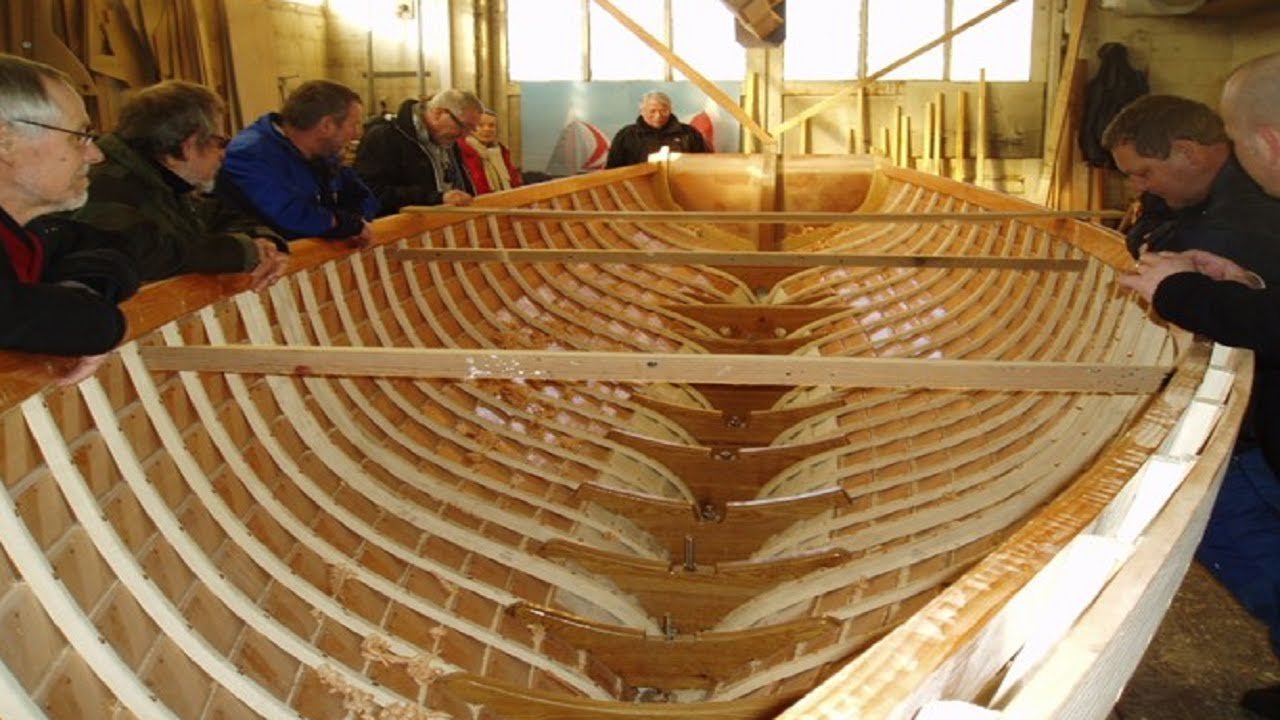
    • Plank-on-Frame: This is one of the oldest and most common methods. It involves creating a skeleton or frame, to which wooden planks are attached to form the hull of the boat.
    • Carvel Planking: In this method, planks are laid edge-to-edge with smooth seams, creating a smooth hull surface. This technique is known for its elegant, curved lines and is often used in classic boat designs.
    • Clinker Building: This technique involves overlapping the planks slightly, making the hull stronger and more flexible. It is commonly used for smaller boats like dinghies or traditional fishing boats.

    3. Time and Labor Intensive

    Traditional boat building requires immense skill, patience, and precision. Craftsmen must carefully shape and fit each piece of wood, ensuring that everything aligns perfectly. This process can take a long time, but the result is often a beautiful, one-of-a-kind boat that showcases the builder’s expertise.

    Modern Boat Building Techniques

    Modern boat building incorporates advanced materials, tools, and technologies, allowing for faster construction and more durable, lightweight boats. These techniques often prioritize efficiency, performance, and cost-effectiveness, resulting in boats that are not only functional but also easy to maintain.

    1. Materials Used in Modern Boat Building

    • Fiberglass: One of the most widely used materials in modern boat building, fiberglass is lightweight, durable, and resistant to corrosion. It is often used for both the hull and interior of boats.
    • Aluminum: Aluminum boats are popular for their strength, lightness, and resistance to rust. They are especially favored in small boats, pontoons, and commercial vessels.
    • Composites: Composite materials, like carbon fiber and kevlar, are increasingly used for high-performance and luxury boats. These materials offer superior strength-to-weight ratios and increased resistance to wear and tear.

    2. Techniques in Modern Boat Building

    • Molded Construction: Modern boat builders often use molds to create the boat’s hull. This method involves pouring or laying layers of fiberglass, resin, and other materials into a mold to form the boat’s structure.
    • Assembly Line Production: Many modern boats are built using an assembly line approach. This method is efficient and allows boat manufacturers to produce high volumes of boats quickly. Each worker specializes in one part of the process, reducing overall construction time.
    • Computer-Aided Design (CAD): Modern boat builders use CAD software to design boats with precision. These designs can be tested and modified digitally before the building process even begins, ensuring the final product meets the required specifications.

    3. Time and Efficiency

    With the advent of modern tools and technology, boat building is much faster than traditional methods. However, while modern techniques may be quicker, they often sacrifice the personal touch and attention to detail found in traditional boat building.

    Comparison of Traditional and Modern Techniques

    1. Materials

    • Traditional: Primarily wood, which is natural but can be heavy and prone to damage.
    • Modern: A wider range of materials such as fiberglass, aluminum, and composites, offering durability, lighter weight, and resistance to corrosion.

    2. Construction Time

    • Traditional: Can take months or even years to build, depending on the size and complexity.
    • Modern: Faster construction, often completed in weeks due to the use of molds and mass production methods.

    3. Customization

    • Traditional: Highly customizable, as each boat is handcrafted.
    • Modern: Less customization but can offer precision in design and performance, especially with CAD and specialized materials.

    4. Cost

    • Traditional: More expensive due to the labor-intensive process and the use of high-quality, often expensive materials.
    • Modern: More cost-effective, especially with mass production techniques and the use of synthetic materials.

    Conclusion

    In conclusion, both traditional and modern boat-building techniques have their advantages and unique characteristics. Traditional methods emphasize craftsmanship and the use of natural materials, resulting in beautifully crafted, custom boats. On the other hand, modern techniques offer faster production times, lighter materials, and more precise construction, making them ideal for high-performance and commercial vessels. Understanding these techniques allows boat enthusiasts to appreciate the rich history and innovation behind modern boat construction.