Category: Boat Building

  • Lightweight Materials For Modern Boat Building

    Lightweight Materials For Modern Boat Building

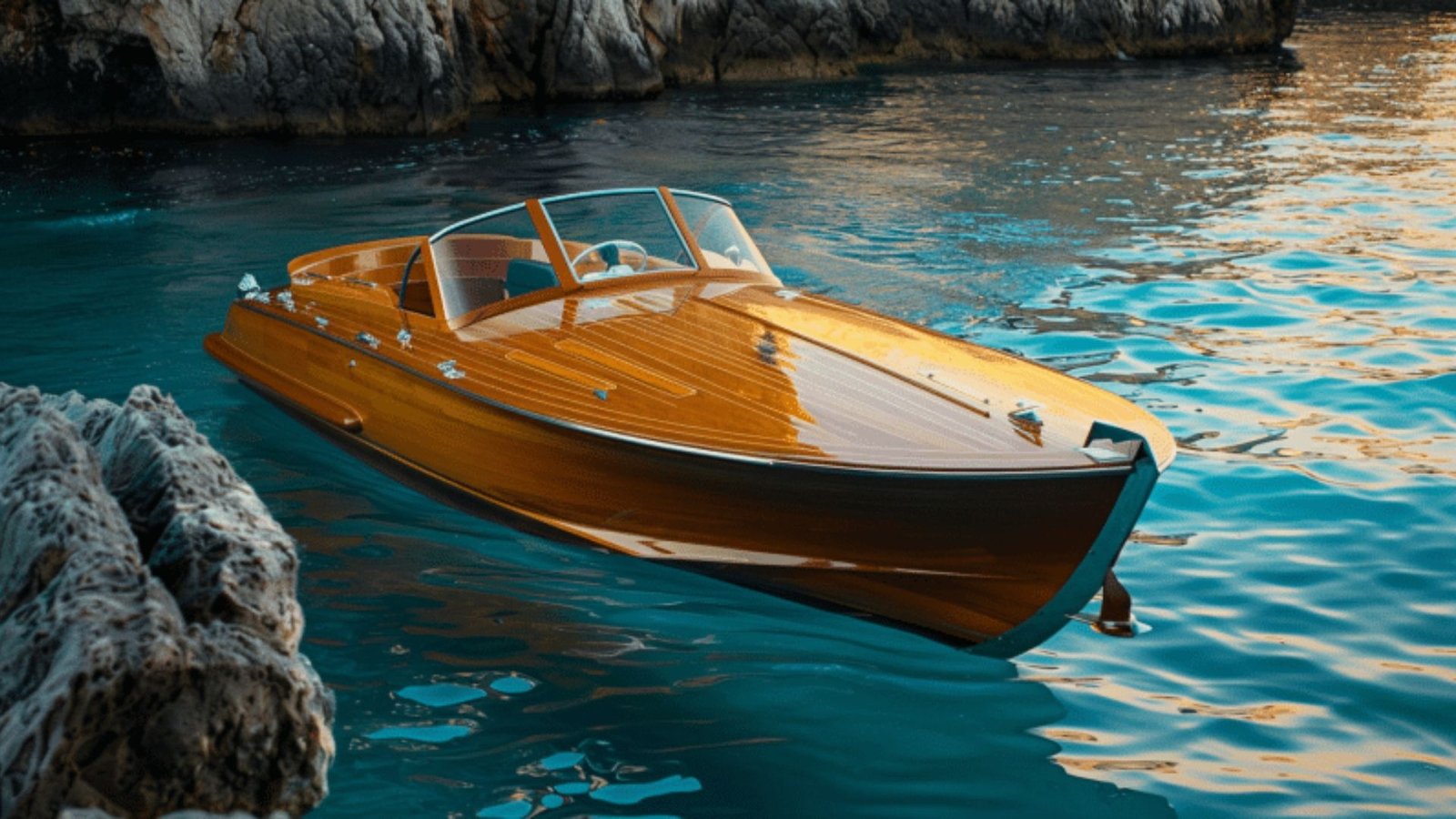
    When it comes to modern boat building, using lightweight materials is crucial for enhancing speed, fuel efficiency, and overall performance. Lightweight materials not only reduce the boat’s weight but also improve maneuverability and ease of handling. In this guide, we’ll explore the best lightweight materials commonly used in boat building today.

    Lightweight Materials For Modern Boat Building
    Lightweight Materials For Modern Boat Building

    Why Choose Lightweight Materials for Boat Building

    Using lightweight materials in boat construction offers several key benefits:

    • Improved Speed and Performance: A lighter boat requires less energy to move, resulting in faster speeds and better fuel efficiency.
    • Increased Maneuverability: With less weight, the boat is easier to handle, especially in tight or windy conditions.
    • Cost-Effective: Lightweight materials may reduce the overall cost of construction and maintenance, as the boat will require less fuel to operate.

    Popular Lightweight Materials for Boat Building

    1. Fiberglass

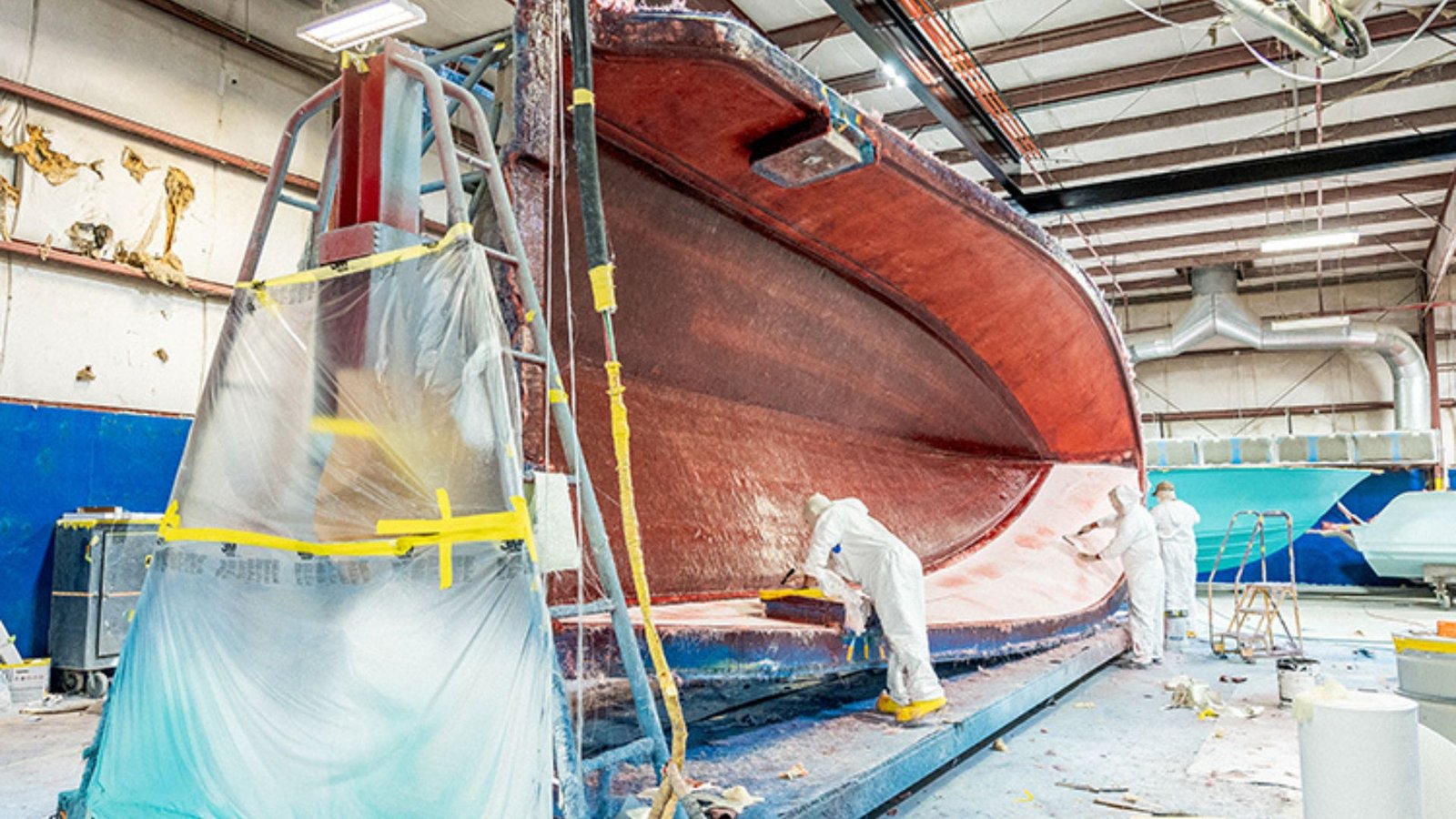
    Fiberglass is one of the most common lightweight materials used in boat building. It is strong, durable, and offers excellent resistance to corrosion.

    • Advantages:
      • Highly resistant to water and weather conditions
      • Low maintenance
      • Can be molded into complex shapes easily
    • Applications: Fiberglass is used for hulls, decks, and structural components in many modern boats.

    2. Carbon Fiber

    Carbon fiber is another popular lightweight material, known for its strength and rigidity. It is often used in high-performance boats where speed is a priority.

    • Advantages:
      • Very high strength-to-weight ratio
      • Exceptional stiffness and rigidity
      • Lightweight and durable
    • Applications: Carbon fiber is typically used in racing boats, performance yachts, and luxury watercraft.

    3. Aluminum

    Aluminum is a lightweight metal that is commonly used in boat building, especially for smaller and more affordable boats.

    • Advantages:
      • Lightweight yet strong
      • Resistant to rust and corrosion
      • Easy to work with and shape
    • Applications: Aluminum is commonly used for small powerboats, fishing boats, and pontoons.

    4. Marine Plywood

    Marine plywood is a type of plywood designed for use in watercraft, known for its durability and resistance to water damage. While heavier than some other options, it is still considered lightweight compared to solid wood.

    • Advantages:
      • Water-resistant and long-lasting
      • Easy to work with
      • Affordable compared to other materials
    • Applications: Marine plywood is often used for boat decks, transoms, and other internal structures.

    5. High-Density Polyethylene (HDPE)

    HDPE is a durable, tough plastic material used for boat hulls and decks. It is incredibly lightweight and resistant to impact, scratches, and UV degradation.

    • Advantages:
      • Impact and abrasion-resistant
      • Flexible and long-lasting
      • Resistant to UV rays and water damage
    • Applications: HDPE is commonly used in small boats, kayaks, and canoes.

    6. Kevlar

    Kevlar is a synthetic fiber known for its strength and lightweight. It is often used in high-performance boats, especially in areas where extra strength is needed without adding weight.

    • Advantages:
      • Extremely strong and lightweight
      • Resistant to punctures and tears
      • High resistance to heat and corrosion
    • Applications: Kevlar is typically used in high-performance boats, such as racing yachts and military vessels.

    7. Composite Materials

    Composite materials are a blend of two or more materials to create a stronger, lighter material. In boat building, composites can include combinations of fiberglass, carbon fiber, and other lightweight elements.

    • Advantages:
      • Customizable strength and weight properties
      • Enhanced resistance to corrosion and environmental wear
      • Can be molded into various shapes
    • Applications: Composite materials are used in a wide range of boat parts, from hulls to structural reinforcements.

    Conclusion

    When building a modern boat, choosing the right lightweight materials is essential for enhancing performance, durability, and efficiency. Whether you’re building a racing yacht or a small fishing boat, materials like fiberglass, carbon fiber, and aluminum offer the perfect combination of lightness and strength. By selecting these advanced materials, you can ensure your boat performs optimally while being easy to handle and maintain.
  • How To Seal Wooden Boat Frames

    How To Seal Wooden Boat Frames

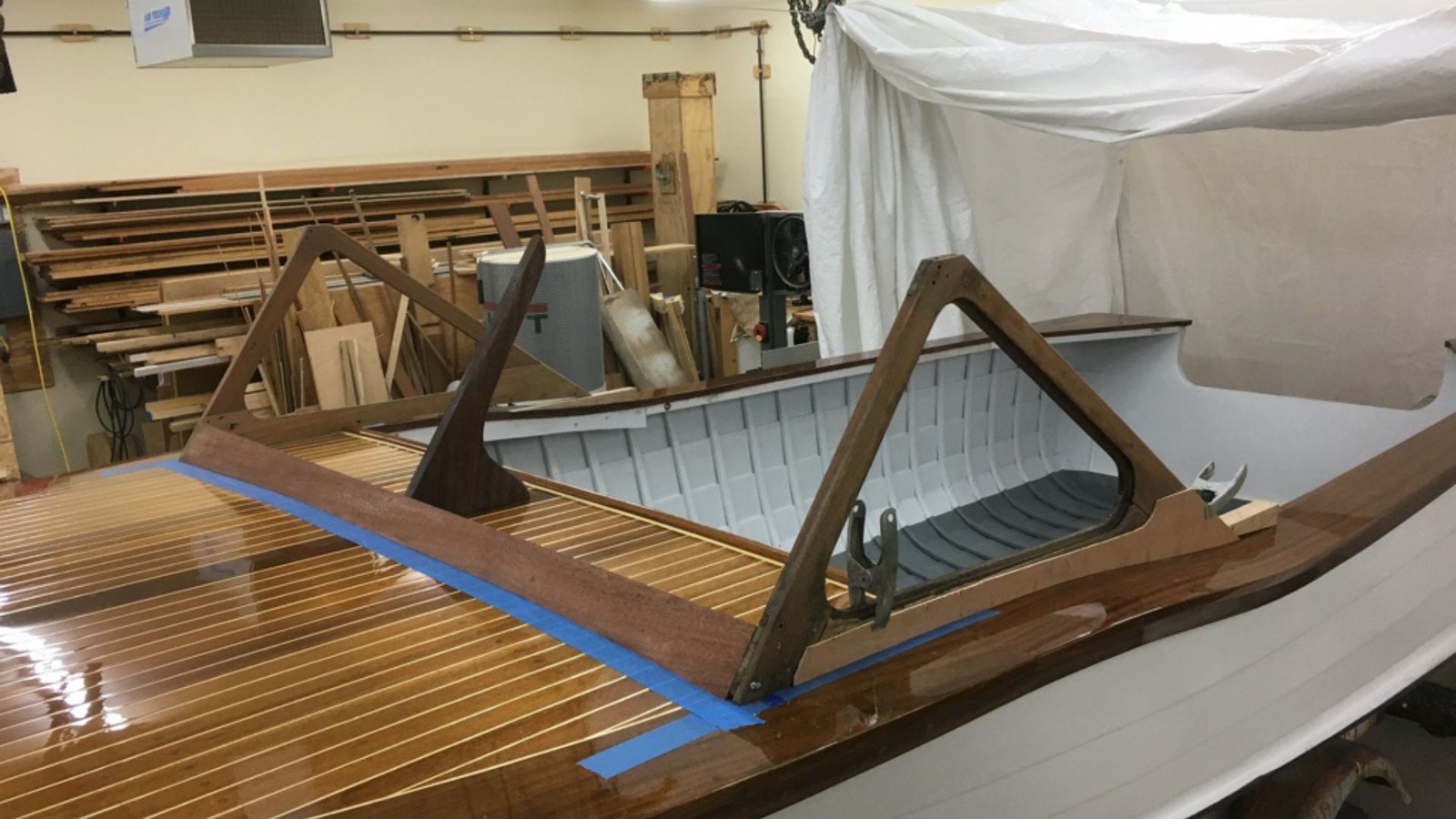
    Sealing wooden boat frames is an essential step in protecting your boat from water damage, rot, and wear. Proper sealing ensures that the wood stays durable and strong over time. In this guide, we will walk you through the steps of sealing wooden boat frames, helping you preserve your boat’s structure and appearance for many years.

    How To Seal Wooden Boat Frames
    How To Seal Wooden Boat Frames

    Why Sealing Wooden Boat Frames is Important

    Sealing wooden boat frames in boat building provides numerous benefits:

    • Waterproofing: Prevents water from soaking into the wood.
    • Durability: Helps the wood resist rot and decay caused by moisture.
    • Longevity: Extends the life of the boat by protecting the frame from environmental damage.

    Materials You’ll Need

    Before you begin, gather the following materials:

    • Marine-grade sealant (such as epoxy or varnish)
    • Paintbrush or foam brush
    • Sanding tools (sandpaper or power sander)
    • Clean rags
    • Tarp or drop cloth (to protect the surrounding area)
    • Gloves and protective gear

    Step-by-Step Guide to Sealing Wooden Boat Frames

    1. Prepare the Surface

    Start by preparing the wooden frame.

    • Clean the wood: Remove any dirt, dust, or grime from the surface using a damp rag.
    • Sand the wood: Sand the surface to remove old finishes and smooth the wood. This helps the sealant adhere better. Make sure to sand evenly across the frame, focusing on rough spots.
    • Dry the wood: Let the wood dry completely before applying the sealant. Moisture can interfere with the sealing process.

    2. Apply the First Coat of Sealant

    Choose a high-quality marine-grade sealant, such as epoxy resin or varnish, for long-lasting protection.

    • Stir the sealant: Stir the sealant thoroughly to ensure it is mixed evenly.
    • Brush on the sealant: Use a paintbrush or foam brush to apply an even coat of sealant across the frame. Be sure to cover all the wood surfaces, including the edges and joints.
    • Work in sections: Apply the sealant in small sections to ensure complete coverage without streaks.

    3. Let the Sealant Dry

    After applying the first coat of sealant, allow it to dry completely.

    • Drying time: Follow the manufacturer’s instructions for drying time. Typically, it will take several hours for the first coat to fully dry.
    • Check for uneven areas: After drying, check for any spots that may need more attention. Sand lightly if needed to remove any rough patches.

    4. Apply Additional Coats

    To ensure maximum protection, apply multiple coats of sealant.

    • Apply a second coat: After the first coat is dry, apply a second layer of sealant, ensuring that it’s evenly spread across the wood.
    • Wait between coats: Allow each coat to dry before applying the next one. Three to four coats are usually recommended for best results.
    • Light sanding: Sand lightly between each coat to create a smooth surface and improve adhesion.

    5. Finishing Touches

    Once you have applied the final coat of sealant, give the wooden frame a smooth finish.

    • Inspect the surface: Ensure there are no areas left unsealed.
    • Clean up: Wipe away any excess sealant and clean your tools right away with the appropriate solvent.
    • Allow to cure: Let the final coat cure according to the manufacturer’s instructions, which may take up to a few days.

    Tips for Effective Sealing

    • Choose the right sealant: Always use marine-grade sealant for better water resistance and protection.
    • Work in a well-ventilated area: Sealants often have strong fumes, so ensure proper ventilation.
    • Be patient: Allow ample drying time between coats to ensure the best results.
    • Keep it clean: Regularly clean the wooden frame to maintain the sealant’s effectiveness.

    Conclusion

    Sealing wooden boat frames is a straightforward process, but it requires patience and attention to detail. By following these steps and using quality sealants, you can ensure that your wooden boat stays protected from the elements, lasts longer, and maintains its beauty. Seal your boat today and enjoy worry-free sailing for years to come!

  • Best Wood Types For Boat Building

    Best Wood Types For Boat Building

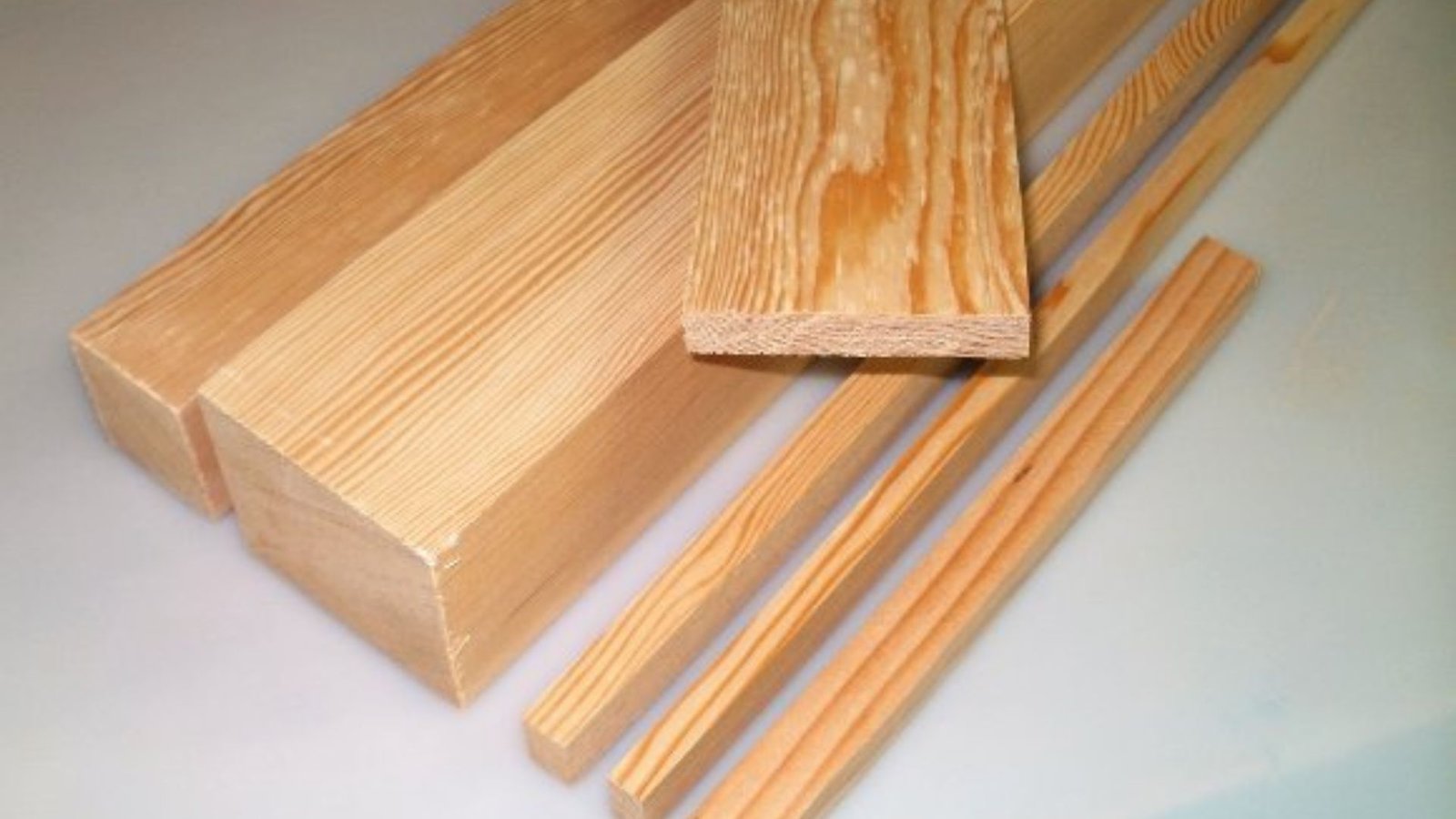
    Choosing the right wood for boat building is critical. Boats face tough conditions like water exposure, weather changes, and constant wear. Some wood types stand out for their strength, water resistance, and durability. This guide explores the best wood types for building boats and why they’re ideal for the job.

    Best Wood Types For Boat Building
    Best Wood Types For Boat Building

    Why Wood Choice Matters in Boat Building

    Wood plays a vital role in:

    • Durability: The right wood withstands water and weather.
    • Workability: Some woods are easier to cut and shape.
    • Aesthetics: High-quality wood adds beauty and charm to your boat.

    Best Wood Types for Boat Building

    1. Teak

    Teak is a top choice for boat building. Its natural oils make it highly resistant to water and rot.

    • Durability: Extremely strong and long-lasting.
    • Resistance: Handles moisture and weather with ease.
    • Uses: Ideal for decks, hulls, and trim.

    2. Mahogany

    Mahogany is popular for its rich color and smooth finish.

    • Workability: Easy to shape and cut.
    • Strength: Offers excellent structural support.
    • Uses: Often used for hulls and interior furnishings.

    3. Cedar

    Cedar is lightweight and resistant to decay, making it perfect for smaller boats.

    • Advantages: Naturally resists rot and insects.
    • Weight: Light but sturdy, making it easy to handle.
    • Uses: Great for canoes, kayaks, and planking.

    4. Oak

    Oak is a traditional boat-building wood known for its strength.

    • Durability: Handles heavy loads and stress well.
    • Drawback: Requires proper sealing to prevent rot.
    • Uses: Best for framing and structural parts.

    5. Douglas Fir

    Douglas fir is a versatile and affordable option.

    • Strength: Provides excellent support.
    • Cost: More budget-friendly than teak or mahogany.
    • Uses: Commonly used for planking and masts.

    6. Plywood (Marine Grade)

    Marine-grade plywood is a practical choice for modern boat building.

    • Water Resistance: Specially treated to resist moisture.
    • Flexibility: Great for curved designs.
    • Uses: Perfect for hulls and cabin construction.

    7. Ash

    Ash is a flexible yet durable wood, ideal for specific boat parts.

    • Flexibility: Great for bending into curved shapes.
    • Strength: Handles stress without breaking.
    • Uses: Often used for oars, tillers, and other small parts.

    Factors to Consider When Choosing Wood

    • Water Resistance: Look for wood that resists rot and absorbs minimal moisture.
    • Strength-to-Weight Ratio: Choose a wood that balances strength with lightweight properties.
    • Workability: Some woods are easier to cut and shape than others.
    • Cost: Teak and mahogany are premium options, while fir and plywood are more affordable.

    Tips for Maintaining Wooden Boats

    • Seal the Wood: Use marine-grade sealants to protect against moisture.
    • Regular Inspections: Check for signs of rot or damage and repair them promptly.
    • Proper Storage: Store the boat in a dry area when not in use.
    • Apply Finishes: Regularly apply varnish or oil to enhance durability and beauty.

    Conclusion

    Choosing the best wood for boat building depends on your needs and budget. Teak and mahogany offer premium quality, while cedar and fir provide more affordable alternatives. Remember to prioritize durability, water resistance, and ease of use. With the right wood, your boat will not only look beautiful but also last for years. Start your boat-building journey today!

  • Essential Tools For Boat Building Projects

    Essential Tools For Boat Building Projects

    Boat building is a rewarding and creative process. However, having the right tools makes all the difference. Whether you’re building a small dinghy or a larger vessel, using the right equipment ensures precision and efficiency. This guide covers the essential tools for successful boat-building projects.

    Essential Tools For Boat Building Projects
    Essential Tools For Boat Building Projects

    Why You Need the Right Tools

    Using the correct tools ensures your boat is:

    • Safe: Proper tools reduce mistakes that could compromise safety.
    • Durable: Quality tools enhance precision, creating a more solid structure.
    • Efficiently Built: Save time and effort by using the appropriate equipment.

    Hand Tools Every Boat Builder Needs

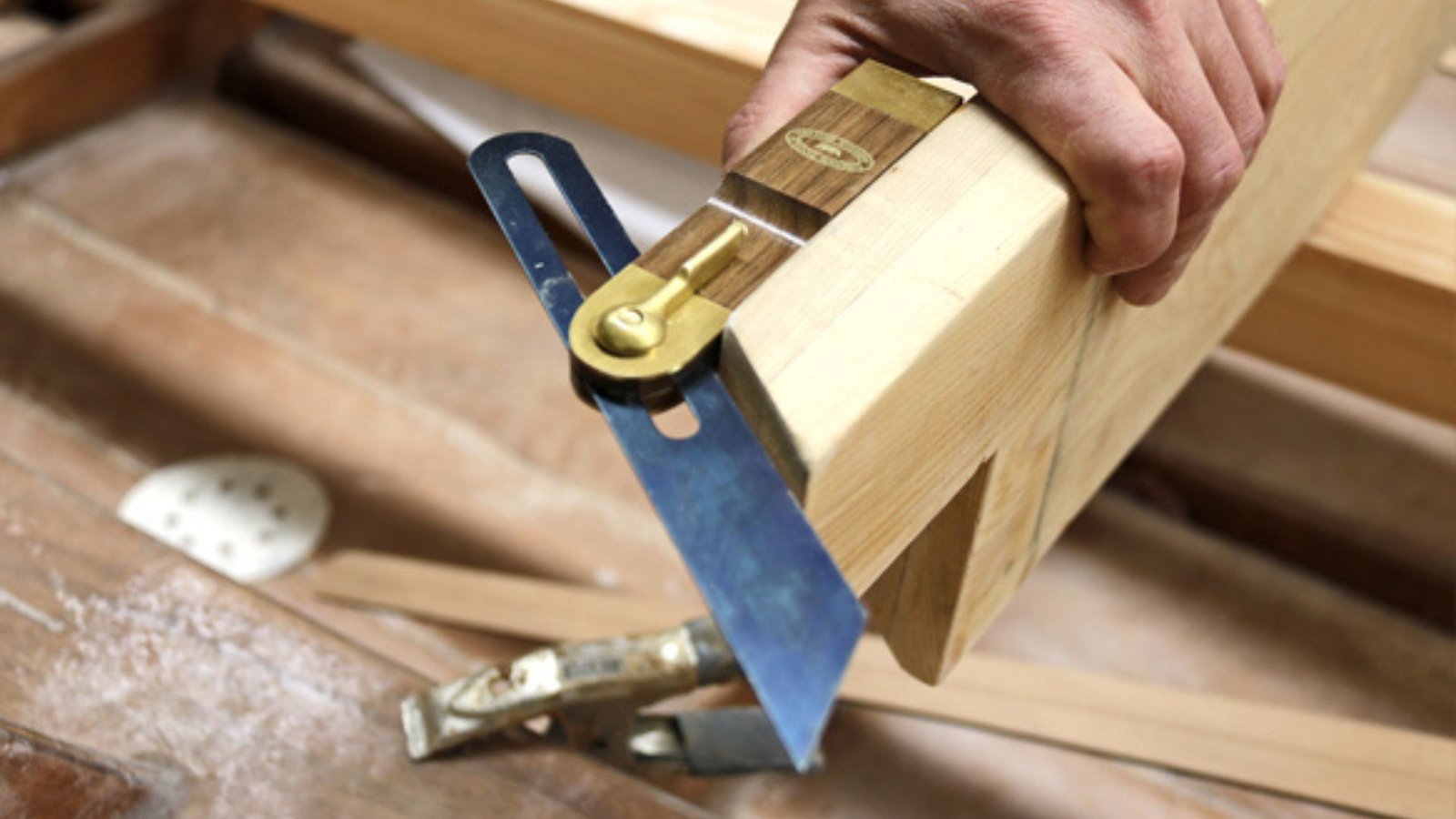
    1. Measuring and Marking Tools

    Accuracy is crucial in boat building. Essential measuring tools include:

    • Tape Measure: A reliable tape measure helps you get exact dimensions.
    • Square: Use a carpenter’s square to ensure perfect right angles.
    • Marking Gauge: Great for marking wood lines.

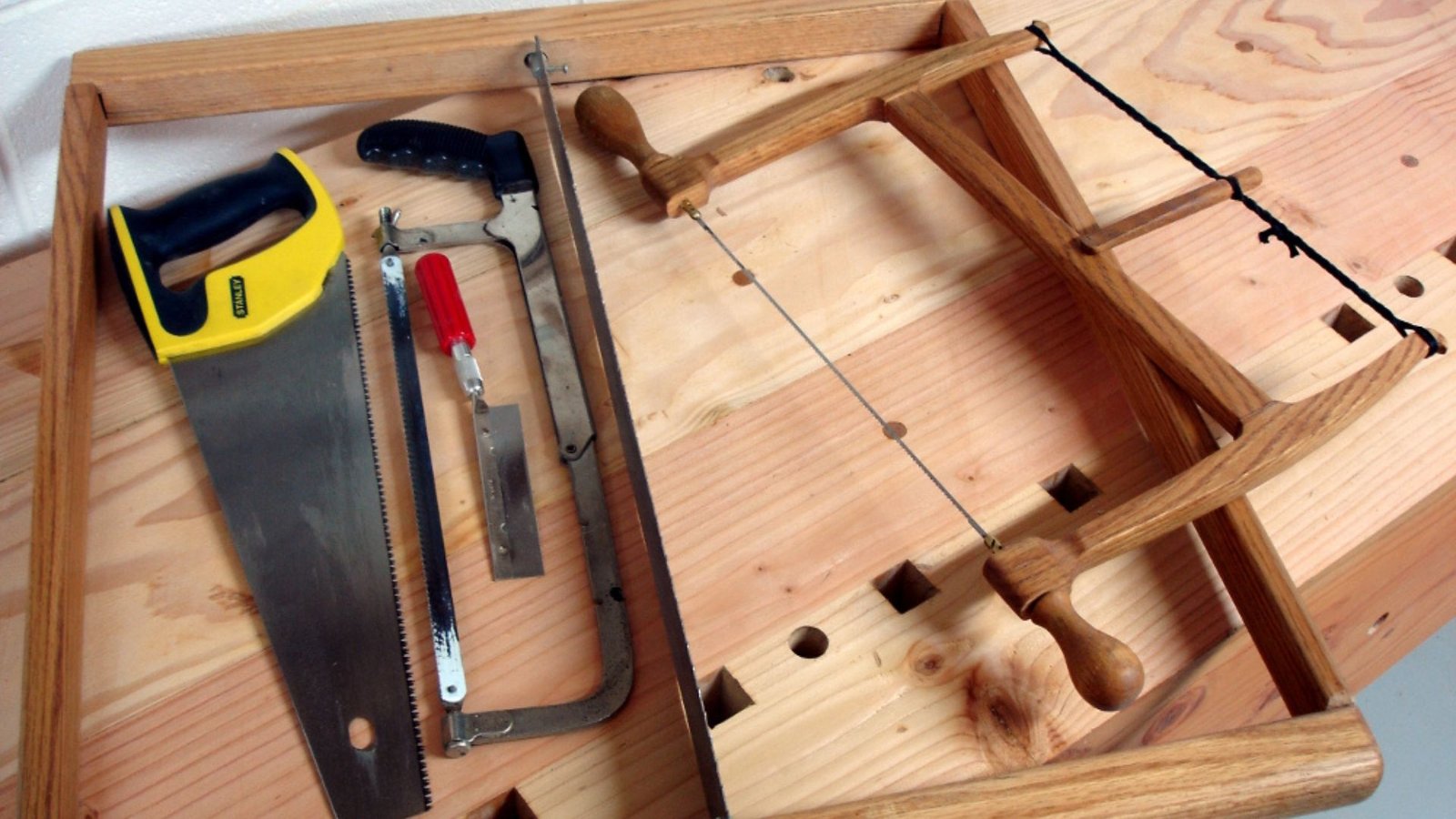
    2. Saws

    Cutting wood and other materials is a big part of boat building. Hand saws like:

    • Japanese Pull Saw: Ideal for precision cuts.
    • Coping Saw: Perfect for curved cuts.

    3. Planes

    A plane smooths and shapes wood surfaces for a perfect finish. Consider:

    • Block Plane: Compact and great for finishing edges.
    • Jack Plane: Ideal for larger, flat surfaces.

    4. Chisels

    Wood chisels allow for fine detailing and shaping. Look for:

    • Bench Chisels: For general-purpose work.
    • Mortise Chisels: Perfect for creating strong joints.

    5. Clamps

    You can’t hold everything by hand! Clamps secure pieces while you work. Essential types include:

    • Bar Clamps: Great for larger pieces.
    • Spring Clamps: Handy for smaller tasks.

    Power Tools To Speed Up Boat Building

    1. Circular Saw

    A circular saw makes straight cuts in thick materials much faster than a hand saw.

    2. Jigsaw

    Use a jigsaw for intricate or curved cuts that require precision.

    3. Power Drill

    A power drill is a must-have for drilling holes and driving screws. Cordless options offer more flexibility.

    4. Orbital Sander

    For smooth surfaces, an orbital sander helps prepare wood for finishing.

    5. Router

    A router creates grooves, edges, and decorative trims, adding professional detail to your project.

    Safety Tools To Keep You Protected

    • Safety Glasses: Protect your eyes from flying debris.
    • Dust Mask: Prevent inhalation of fine wood particles.
    • Ear Protection: Power tools can be noisy, so wear earplugs or earmuffs.
    • Gloves: Use gloves to protect your hands from splinters and cuts.

    Materials Needed For Boat Building

    Along with tools, ensure you have the following:

    • Marine-Grade Plywood: Durable and resistant to water damage.
    • Epoxy Resin: Essential for sealing and bonding.
    • Fiberglass Cloth: Adds strength and waterproofing.
    • Fasteners: Include stainless steel screws and nails for corrosion resistance.

    Tips For Using Your Tools Effectively

    • Organize Your Workspace: Keep tools and materials within easy reach.
    • Practice On Scrap Materials: Test cuts and techniques before working on your boat.
    • Maintain Your Tools: Regularly sharpen blades and clean power tools to ensure peak performance.
    • Follow Instructions: Adhere to manufacturer guidelines for each tool.

    Conclusion

    Having the right tools is essential for any boat-building project. From hand tools like chisels and clamps to power tools like jigsaws and routers, every tool plays a vital role. Remember to prioritize safety and maintain your equipment for the best results. Start building your dream boat today!