Author: Kate Richardson

  • Best Budget-Friendly Flooring Alternatives

    Best Budget-Friendly Flooring Alternatives

    Renovating your home or updating a room often involves choosing the right flooring, but high-quality flooring can be expensive. Thankfully, there are many budget-friendly flooring alternatives that still look great, are durable, and are easy to maintain. Whether you’re updating a small area or renovating a large space, these affordable flooring options can help you get the look you want without stretching your budget.

    1. Laminate Flooring

    Laminate flooring is one of the most popular and budget-friendly flooring alternatives. It mimics the look of hardwood, stone, or tile at a fraction of the cost. Laminate is made from a composite wood core with a high-resolution photo layer that creates a realistic appearance.

    • Why It’s Budget-Friendly: Laminate is much cheaper than hardwood or stone flooring, and it’s easy to install, which can save you on professional installation costs.
    • Pros: Durable, easy to maintain, available in a wide range of styles.
    • Cons: Can be scratched easily, not as durable as real wood or stone.
    • Best For: Living rooms, hallways, and bedrooms.
    Best Budget-Friendly Flooring Alternatives
    Best Budget-Friendly Flooring Alternatives

    2. Vinyl Flooring

    Vinyl flooring has come a long way in terms of both quality and design. Today, luxury vinyl plank (LVP) and vinyl tiles (LVT) offer realistic wood, stone, and tile looks at a lower cost. It’s a versatile option that can work in any room.

    • Why It’s Budget-Friendly: Vinyl is one of the least expensive flooring materials available, and it’s often sold as peel-and-stick or click-lock tiles, which are easy to install yourself.
    • Pros: Water-resistant, low-maintenance, durable, comes in many styles.
    • Cons: Can be damaged by heavy furniture or sharp objects, lower-quality options may fade over time.
    • Best For: Kitchens, bathrooms, laundry rooms, and entryways.

    3. Carpet Tiles

    Carpet tiles offer an affordable and flexible solution for flooring. These tiles are easy to install and replace, making them ideal for DIY projects. Carpet tiles also come in a variety of colors and patterns, making it simple to match your décor.

    • Why It’s Budget-Friendly: Carpet tiles are more affordable than traditional wall-to-wall carpeting, and they can be replaced individually if damaged, saving you money in the long run.
    • Pros: Comfortable, easy to install and replace, comes in a variety of designs.
    • Cons: Can stain easily, requires regular vacuuming, may need occasional cleaning.
    • Best For: Home offices, bedrooms, and playrooms.

    4. Engineered Wood Flooring

    Engineered wood is an affordable alternative to solid hardwood. It consists of multiple layers of wood, with a hardwood veneer on top. This provides the beauty of hardwood but at a lower cost.

    • Why It’s Budget-Friendly: Engineered wood is typically cheaper than solid hardwood, and it’s more stable in areas with fluctuating temperatures and humidity.
    • Pros: Real wood look, more durable than laminate, relatively easy to install.
    • Cons: Can be scratched or dented, requires some maintenance.
    • Best For: Living rooms, dining rooms, and bedrooms.

    5. Concrete Flooring

    Concrete is an incredibly affordable and durable flooring option that’s often overlooked. It can be polished, stained, or painted to create a stylish look. Many homeowners are opting for concrete floors in areas like kitchens and basements.

    • Why It’s Budget-Friendly: Concrete floors are often already present in homes, so you may not need to install new flooring. Even if you do, it’s one of the most affordable materials available.
    • Pros: Very durable, low-maintenance, customizable with stains and colors.
    • Cons: Hard and cold underfoot, can be slippery when wet.
    • Best For: Basements, kitchens, and garages.

    6. Cork Flooring

    Cork is a unique, eco-friendly flooring option that’s surprisingly affordable. It’s made from the bark of cork oak trees, and when harvested correctly, it doesn’t harm the tree. Cork floors are soft, comfortable, and provide good insulation.

    • Why It’s Budget-Friendly: Cork is generally less expensive than hardwood, and it’s easier to install, which reduces labor costs.
    • Pros: Comfortable, eco-friendly, natural sound insulation, warm underfoot.
    • Cons: Can be easily scratched, vulnerable to water damage.
    • Best For: Living rooms, bedrooms, and offices.

    7. Linoleum Flooring

    Linoleum is often confused with vinyl, but it’s a natural material made from linseed oil, wood flour, cork dust, and resins. It’s eco-friendly, affordable, and durable, making it a great alternative for budget-conscious homeowners.

    • Why It’s Budget-Friendly: Linoleum is a low-cost material that is easy to maintain and can last for decades with proper care.
    • Pros: Eco-friendly, durable, easy to clean, available in many colors and patterns.
    • Cons: Can scratch or dent easily, needs to be sealed regularly.
    • Best For: Kitchens, bathrooms, and high-traffic areas.

    8. Peel-and-Stick Tiles

    Peel-and-stick tiles are a simple and cost-effective flooring solution. These tiles come in vinyl, ceramic, and even stone options. They are designed for easy installation with no grout or glue required.

    • Why It’s Budget-Friendly: Peel-and-stick tiles are an inexpensive way to update a floor, and because they’re easy to install, you can save money on installation costs.
    • Pros: Easy to install, affordable, comes in a wide variety of designs.
    • Cons: Less durable than traditional flooring options, may peel or chip over time.
    • Best For: Kitchens, bathrooms, and small spaces.

    9. Rubber Flooring

    Rubber flooring, made from recycled rubber tires, is gaining popularity as a budget-friendly option, especially in high-traffic areas like home gyms or playrooms. It’s highly durable and provides comfort underfoot.

    • Why It’s Budget-Friendly: Rubber flooring is made from recycled materials, which makes it a cost-effective and environmentally friendly option.
    • Pros: Durable, slip-resistant, easy to clean, comfortable.
    • Cons: May not suit every home décor style, can be harder to find in certain colors.
    • Best For: Playrooms, gyms, and basements.

    10. Plywood Flooring

    If you’re looking for a truly budget-friendly option, consider plywood flooring. It’s simple, affordable, and can be stained or painted to suit your style. Plywood is durable and can be a great choice for minimalist or rustic designs.

    • Why It’s Budget-Friendly: Plywood is inexpensive, and you can even install it yourself to save on installation costs.
    • Pros: Affordable, customizable, can be installed as a DIY project.
    • Cons: May require finishing or sealing, can show wear over time.
    • Best For: Bedrooms, home offices, and studios.

    Conclusion

    There are many budget-friendly flooring alternatives available that can help you update your home without spending a fortune. From laminate and vinyl to cork and plywood, these options offer durability, style, and ease of installation. By choosing one of these affordable flooring solutions, you can achieve the look you want without breaking your budget. Whether you’re updating a single room or renovating your entire home, these flooring choices will help you create a beautiful, functional space for less.
  • Hardwood Flooring Installation Guide Tips

    Hardwood Flooring Installation Guide Tips

    Installing hardwood flooring can transform your space, adding elegance and value to your home. However, the installation process requires careful planning, preparation, and the right tools to ensure a successful outcome. Whether you’re a beginner or an experienced DIYer, this guide will walk you through essential tips and techniques to help you install hardwood flooring like a pro.

    Hardwood Flooring Installation Guide Tips
    Hardwood Flooring Installation Guide Tips

    1. Choose the Right Hardwood Flooring

    Before starting the installation, it’s important to select the right type of hardwood flooring for your space. There are two main types of hardwood: solid and engineered. Solid hardwood is a single piece of wood, while engineered hardwood consists of multiple layers for added stability. If you’re installing hardwood in areas with high humidity, such as basements, engineered hardwood may be a better option.

    Tip: Always check the wood’s moisture content to avoid expansion or contraction after installation.

    2. Prepare the Subfloor

    The subfloor must be clean, dry, and level to ensure proper installation. If your subfloor is uneven, use a self-leveling compound to smooth it out. If you’re working with a concrete subfloor, make sure it is completely dry to prevent moisture issues that can damage your hardwood. Remove any nails, staples, or debris from the subfloor before starting.

    Tip: If your subfloor is made of plywood, check for any loose boards and secure them with screws to prevent creaking.

    3. Acclimate the Hardwood Flooring

    Wood is a natural material that expands and contracts with changes in humidity. To prevent any issues after installation, it’s crucial to acclimate the hardwood flooring to the room’s temperature and humidity. Leave the hardwood planks in the room where they will be installed for at least 48 to 72 hours before starting the installation process.

    Tip: Keep the room temperature between 60°F and 80°F (15°C to 27°C) during the acclimation period.

    4. Gather the Necessary Tools and Materials

    Having the right tools will make the installation process much easier and more efficient. Here are the essential tools and materials you’ll need:

    • Tape measure
    • Miter saw or circular saw
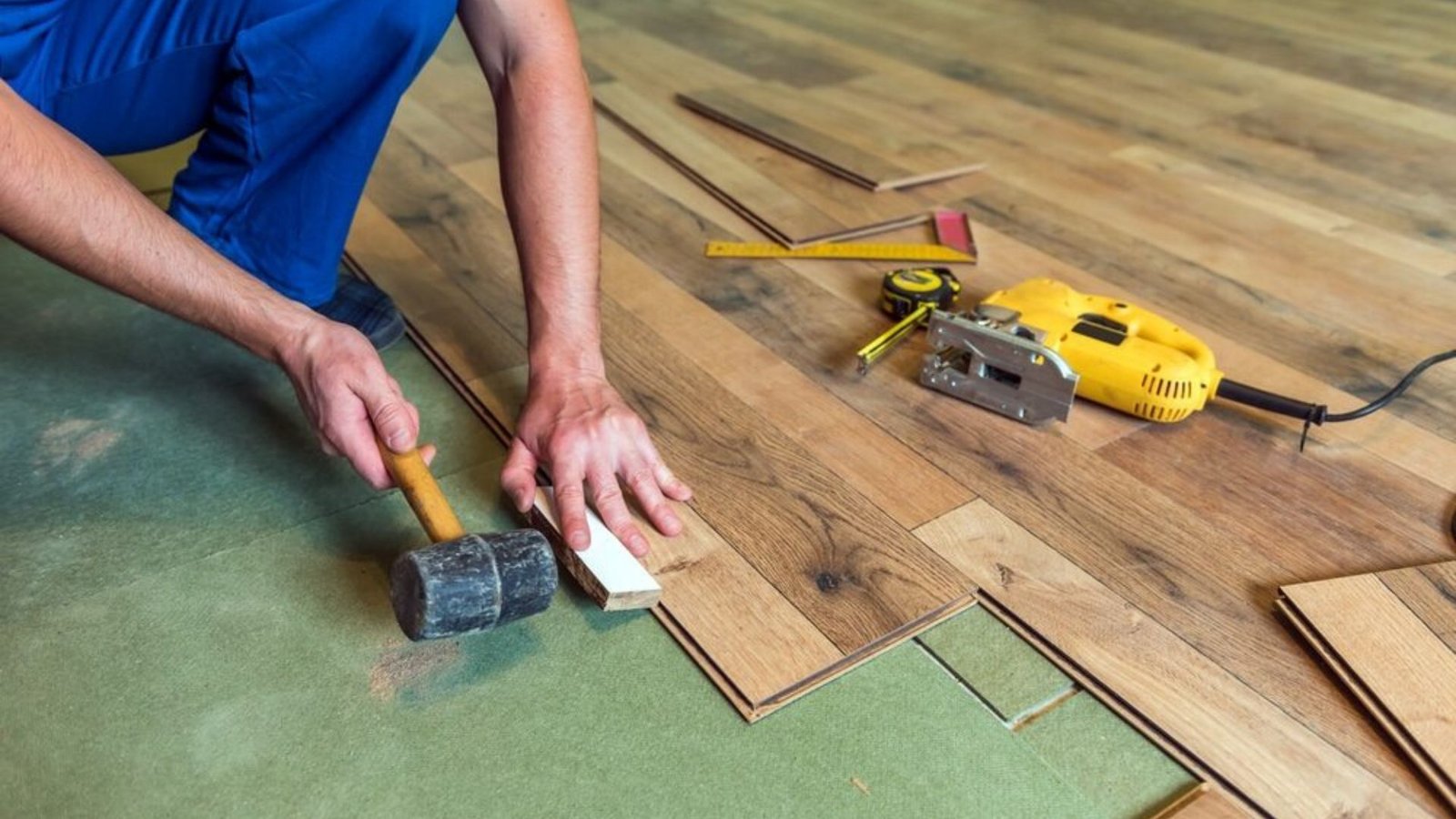
    • Hammer and nails or flooring nailer
    • Rubber mallet
    • Spacers
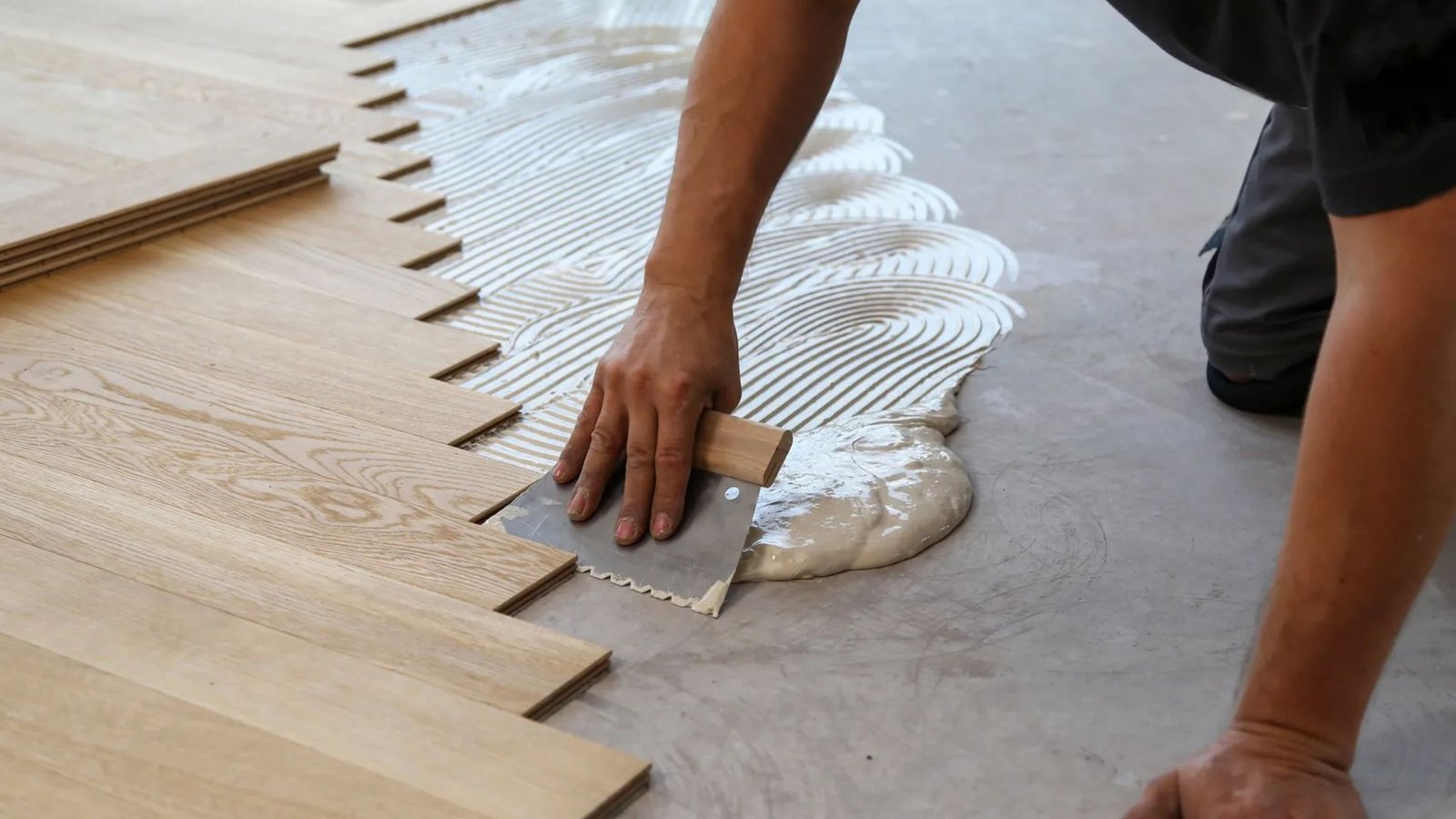
    • Wood glue (if required)
    • Chalk line or laser level

    Tip: If you don’t have a flooring nailer, you can rent one from most home improvement stores.

    5. Plan the Layout

    Before you start installing the hardwood planks, it’s essential to plan the layout. Begin by finding the center of the room and snapping a chalk line or using a laser level to create a reference line. This will help ensure the planks are straight and aligned. Plan to install the planks parallel to the longest wall in the room for a more natural and aesthetic look.

    Tip: Leave a small gap (about 1/4 inch) between the planks and the walls to allow for expansion.

    6. Start Installing the Hardwood Flooring

    Begin installing the hardwood planks along the reference line, working your way across the room. Use spacers to maintain the expansion gap between the planks and the walls. If you’re using a nail-down method, hammer the nails into the tongue of each plank at a 45-degree angle. Alternatively, use a flooring nailer to secure the planks to the subfloor.

    Tip: Stagger the seams of the planks to create a more natural look and prevent the seams from lining up.

    7. Cut the Planks to Fit

    You’ll likely need to cut the hardwood planks to fit along the edges of the room. Use a miter saw or circular saw to cut the planks to the required length. For areas around obstacles, such as door frames or vents, use a jigsaw to make precise cuts.

    Tip: When cutting planks, always measure twice and cut once to ensure accuracy.

    8. Install the Final Row of Planks

    The final row of planks may need to be trimmed lengthwise to fit the space. Measure the width of the last row, and cut the planks accordingly. If needed, use a tapping block and mallet to gently tap the last row into place. Be sure to leave a small gap between the last row and the wall for expansion.

    Tip: If you’re installing hardwood in a large room, consider leaving a gap between the planks for better air circulation during installation.

    9. Sand and Finish the Floor

    Once all the planks are installed, you may need to sand the floor to smooth out any uneven areas and remove any rough spots. After sanding, apply a protective finish to enhance the wood’s appearance and durability. You can choose from different finishes, such as polyurethane or oil-based finishes, depending on the look and level of protection you want.

    Tip: Make sure to allow the finish to dry completely before walking on the floor.

    10. Clean and Maintain Your Hardwood Flooring

    After installation, it’s important to regularly clean and maintain your hardwood flooring to keep it looking great. Sweep or vacuum the floor regularly to remove dirt and debris. Use a damp mop with a hardwood floor cleaner to clean the surface, but avoid excessive water, as it can damage the wood. Consider placing rugs or mats in high-traffic areas to protect the floor from wear and tear.

    Tip: Use felt pads under furniture to prevent scratches and dents.

    Conclusion

    Installing hardwood flooring can be a rewarding and worthwhile project that adds beauty and value to your home. By following these tips and taking your time to prepare and install the flooring correctly, you can achieve professional-looking results. Remember to plan your layout, use the right tools, and care for your floor to ensure it lasts for many years to come.

  • How to Maintain Your Flooring for Longevity

    How to Maintain Your Flooring for Longevity

    Flooring is one of the most significant investments in your home, and maintaining it properly will ensure it lasts for many years. Whether you have hardwood, tile, carpet, or vinyl, taking a few simple steps to protect and care for your floors can help them stay beautiful and durable. In this guide, we’ll cover practical maintenance tips that will extend the life of your flooring while keeping it looking its best.

    1. Clean Regularly

    Regular cleaning is key to preserving the look and durability of your floors. Dirt and dust can scratch and damage flooring materials over time, so it’s important to clean them frequently.

    • Dust and Sweep: For hardwood, tile, and laminate floors, use a microfiber mop or broom to remove dirt and dust. Vacuuming your carpet regularly helps prevent debris from getting trapped in the fibers.
    • Use the Right Products: Avoid harsh chemicals or abrasive cleaners. For hardwood, use a gentle wood cleaner. For tile or vinyl, use a mild floor cleaner that won’t leave streaks.
    How to Maintain Your Flooring for Longevity
    How to Maintain Your Flooring for Longevity

    2. Protect Floors from Scratches

    Scratches and scuffs can quickly wear down your flooring, so it’s essential to protect it from damage caused by furniture and heavy traffic.

    • Furniture Pads: Attach soft pads under furniture legs, especially on hardwood and laminate floors. This will prevent scratches when moving chairs or tables.
    • Area Rugs: Place rugs or mats in high-traffic areas or entryways to protect floors from dirt, moisture, and heavy foot traffic.
    • Remove Shoes: If possible, encourage family members and guests to remove their shoes before walking on floors, especially hardwood or carpet, to prevent dirt and grime from accumulating.

    3. Keep Floors Dry

    Excess moisture can seriously damage many types of flooring, causing warping, discoloration, or mold growth. It’s especially important to keep floors dry in areas like kitchens, bathrooms, and entryways.

    • Clean Spills Immediately: Wipe up spills right away, especially on hardwood or laminate floors. For tile, clean up liquid spills promptly to prevent slipping or moisture damage.
    • Use Mats in Wet Areas: Place water-absorbing mats in kitchens and bathrooms, particularly near sinks or bathtubs, to catch excess water.
    • Use Humidifiers in Dry Climates: In areas with low humidity, like the winter months, use a humidifier to prevent wooden floors from shrinking or cracking due to dryness.

    4. Refinish and Seal Floors

    Certain types of flooring, especially hardwood and tile, require refinishing and sealing to maintain their appearance and protect them from damage.

    • Hardwood Floors: Over time, hardwood floors may lose their shine. Refinishing them every few years can bring back their natural beauty. Sanding down the top layer and applying a fresh coat of finish helps protect the wood from scratches and spills.
    • Tile Floors: If you have natural stone or grout, it’s a good idea to seal the tile surfaces periodically to prevent stains and water damage. Reapply the sealant as needed, usually every 1-2 years.

    5. Control Sunlight Exposure

    Direct sunlight can cause fading and discoloration, especially for hardwood and carpet. To avoid this, take steps to control how much sunlight your floors receive.

    • Use Curtains or Blinds: Install window coverings like blinds or curtains to limit the amount of direct sunlight hitting your floors, particularly in rooms with large windows.
    • Use UV-Protective Films: If you have areas that get a lot of sunlight, consider using UV-protective window films that block harmful rays while still allowing light to come through.

    6. Deep Clean Occasionally

    While regular cleaning is essential, deep cleaning your floors on a periodic basis will help remove buildup and preserve their look over time.

    • Hardwood Floors: Once or twice a year, clean hardwood floors with a specialized hardwood cleaner and a damp cloth to remove grime. Avoid soaking the wood with water, as it can damage the surface.
    • Carpet Floors: Consider hiring professional carpet cleaners every 12-18 months, or use a rental carpet cleaning machine for a deeper clean to remove stains, allergens, and dirt trapped in the fibers.
    • Tile Floors: For tile, grout can accumulate dirt and become discolored. Deep clean the grout lines with a mixture of baking soda and water or a specialized grout cleaner to restore their original color.

    7. Repair Damage Quickly

    Addressing minor damage as soon as it occurs can prevent further issues and preserve your floors.

    • Hardwood Floors: If your hardwood floor has a small scratch or dent, you can usually repair it with a touch-up marker or wood filler. For deeper scratches, consider refinishing the damaged area to restore its appearance.
    • Vinyl or Laminate Floors: Small cracks or cuts in vinyl and laminate flooring can be patched with a specialized repair kit. Make sure to follow the instructions to avoid further damage.
    • Carpet Floors: If your carpet has a tear or loose seams, repair it immediately with adhesive or by hiring a professional carpet installer to prevent further unraveling.

    8. Consider Professional Maintenance

    Some flooring types, like carpets and natural stone, may require professional cleaning and maintenance to keep them in top condition.

    • Carpet Cleaning: Professional cleaning can help remove stubborn stains and dirt from deep within the fibers. This is particularly useful for high-traffic areas.
    • Stone Floor Care: Natural stone floors, like marble or granite, require specific care, including sealing and periodic professional cleaning, to maintain their shine and prevent damage.

    9. Maintain a Regular Cleaning Routine

    Consistency is key when it comes to maintaining flooring. Set a regular cleaning schedule to ensure your floors stay in great condition.

    • Daily Maintenance: Sweep or vacuum floors daily to keep dirt from accumulating. This is especially important for hardwood and tile floors.
    • Weekly Cleaning: Mop hardwood, laminate, and vinyl floors weekly to remove dirt and grime. For carpet, vacuum at least once a week.
    • Monthly or Seasonal Care: Every month or season, check for signs of wear, dust buildup, or damage, and take care of any necessary repairs.

    Conclusion

    Proper floor maintenance is essential for ensuring the longevity and beauty of your flooring. By cleaning regularly, protecting your floors from damage, and addressing issues promptly, you can keep them looking great for years to come. Whether you have hardwood, tile, carpet, or vinyl, following these maintenance tips will help you preserve your floors and enjoy their beauty for the long term. Keep your floors clean, dry, and protected, and they will continue to enhance your home’s aesthetic appeal and value.

  • Best Flooring Options for High-Traffic Areas

    Best Flooring Options for High-Traffic Areas

    High-traffic areas in your home, such as hallways, entryways, kitchens, and living rooms, experience a lot of foot traffic. Choosing the right flooring for these areas is essential to ensure it remains durable, stylish, and easy to maintain. The ideal flooring option should be able to withstand constant use without showing signs of wear and tear. In this article, we’ll explore the best flooring options for high-traffic areas that combine both durability and beauty.

    1. Hardwood Flooring

    Hardwood flooring is a classic option that adds warmth and elegance to any room. While hardwood floors may show scratches and dents over time, they are still an excellent choice for high-traffic areas due to their durability and timeless appeal.

    • Why It’s Ideal: Hardwood floors can withstand heavy foot traffic if properly maintained and refinished when needed. They also add long-term value to your home.
    • Pros: Durable, easy to clean, can be refinished, adds value to your home.
    • Cons: Can scratch and dent, requires maintenance.
    • Best For: Living rooms, hallways, and dining rooms.
    Best Flooring Options for High-Traffic Areas
    Best Flooring Options for High-Traffic Areas

    2. Luxury Vinyl Plank (LVP)

    Luxury vinyl plank (LVP) is an increasingly popular choice for high-traffic areas. LVP mimics the appearance of wood, stone, or tile but is much more durable and resistant to scratches, stains, and water damage. It’s a fantastic choice for busy households.

    • Why It’s Ideal: LVP is highly durable, waterproof, and resistant to scratches, making it perfect for areas with heavy foot traffic.
    • Pros: Waterproof, affordable, easy to install, low maintenance, comes in a variety of styles.
    • Cons: Can fade in direct sunlight, not as luxurious as natural wood or stone.
    • Best For: Entryways, kitchens, bathrooms, and basements.

    3. Tile Flooring

    Ceramic and porcelain tile floors are some of the most durable flooring options for high-traffic areas. Tiles are resistant to scratches, stains, and moisture, making them ideal for rooms with heavy foot traffic and exposure to dirt or water.

    • Why It’s Ideal: Tiles are tough and long-lasting, and they can handle spills and messes. They are also easy to clean and maintain.
    • Pros: Durable, water-resistant, easy to clean, available in various colors and patterns.
    • Cons: Hard surface, can be cold and uncomfortable underfoot.
    • Best For: Kitchens, bathrooms, entryways, and mudrooms.

    4. Laminate Flooring

    Laminate flooring is a budget-friendly, durable option that can mimic the look of wood, stone, or tile. It is a popular choice for high-traffic areas due to its resistance to scratches and stains, and it’s easy to maintain.

    • Why It’s Ideal: Laminate is affordable, durable, and can handle heavy foot traffic. It is also resistant to fading and staining, making it an excellent choice for busy homes.
    • Pros: Affordable, scratch-resistant, easy to clean, versatile in design.
    • Cons: Can be noisy, difficult to repair if damaged.
    • Best For: Living rooms, hallways, and dining rooms.

    5. Concrete Flooring

    Concrete is a durable and modern flooring option that can withstand heavy foot traffic, making it perfect for high-traffic areas. It can be customized with stains, dyes, or finishes to match your home’s décor.

    • Why It’s Ideal: Concrete is incredibly durable and can be finished to look sleek and stylish while offering long-lasting performance.
    • Pros: Extremely durable, low maintenance, customizable finishes, easy to clean.
    • Cons: Hard surface, can be cold and uninviting unless heated.
    • Best For: Entryways, hallways, kitchens, and basements.

    6. Cork Flooring

    Cork is an eco-friendly, comfortable flooring option that is gaining popularity in high-traffic areas. It is naturally resilient, soft underfoot, and offers good sound absorption, which can be especially useful in busy households.

    • Why It’s Ideal: Cork is durable, comfortable to walk on, and naturally resistant to mold and mildew, making it perfect for high-traffic areas.
    • Pros: Soft, eco-friendly, sound-absorbing, hypoallergenic.
    • Cons: Can be scratched or dented by heavy furniture or high heels.
    • Best For: Living rooms, bedrooms, and home offices.

    7. Bamboo Flooring

    Bamboo is another eco-friendly and durable flooring material that is perfect for high-traffic areas. Bamboo is naturally stronger than many hardwoods and resists dents, scratches, and wear.

    • Why It’s Ideal: Bamboo is not only sustainable but also incredibly durable and low maintenance, making it a great choice for areas with lots of foot traffic.
    • Pros: Sustainable, durable, easy to maintain, stylish.
    • Cons: Can be damaged by water, may fade in direct sunlight.
    • Best For: Living rooms, dining rooms, and hallways.

    8. Rubber Flooring

    Rubber flooring is a highly durable and slip-resistant option that is becoming popular in high-traffic areas. While it’s often used in commercial settings, it is increasingly being used in residential homes for its practicality and comfort.

    • Why It’s Ideal: Rubber is extremely durable and shock-absorbent, making it perfect for areas that see heavy use. It’s also slip-resistant, which makes it ideal for households with children or pets.
    • Pros: Slip-resistant, durable, shock-absorbing, easy to clean.
    • Cons: May not match every décor style, can be prone to fading over time.
    • Best For: Playrooms, gyms, kitchens, and mudrooms.

    9. Stone Flooring

    Natural stone floors, such as granite, slate, or travertine, are some of the most durable options for high-traffic areas. Stone is resistant to wear and tear, and its timeless appearance adds a touch of luxury to any space.

    • Why It’s Ideal: Stone is incredibly durable, long-lasting, and easy to clean, making it perfect for high-traffic areas that require heavy-duty flooring.
    • Pros: Durable, elegant, easy to clean, adds value to your home.
    • Cons: Can be expensive, hard underfoot, may need sealing.
    • Best For: Entryways, kitchens, and bathrooms.

    10. Carpet Tiles

    Carpet tiles are a flexible, durable flooring option for high-traffic areas. These tiles are easy to install and replace, making them ideal for spaces that experience a lot of wear and tear.

    • Why It’s Ideal: Carpet tiles offer comfort and warmth, while also being easy to maintain and replace if damaged.
    • Pros: Comfortable, sound-absorbing, easy to install and replace, available in various styles.
    • Cons: Can trap dust and allergens, may require more maintenance than other materials.
    • Best For: Offices, living rooms, and hallways.

    Conclusion

    When choosing flooring for high-traffic areas, durability is key. You want a material that can withstand the daily wear and tear of foot traffic while maintaining its appearance over time. Options like hardwood, luxury vinyl plank, tile, and laminate are all excellent choices for high-traffic spaces due to their durability and ease of maintenance. Whether you prefer a sleek, modern look or a more natural aesthetic, there’s a flooring option to suit every style and need.

  • Top Trends in Flooring Designs for 2025

    Top Trends in Flooring Designs for 2025

    As we move into 2025, flooring designs continue to evolve, with new materials, textures, and color schemes gaining popularity. Whether you’re renovating a single room or planning a complete home makeover, staying on top of flooring trends will help you create a space that feels fresh, modern, and stylish. From sustainable materials to bold patterns, this year’s trends focus on enhancing both functionality and aesthetics. Here are the top flooring design trends to watch for in 2025.

    1. Sustainable Flooring Options

    With growing awareness of environmental impact, sustainability is a major factor in flooring choices for 2025. Homeowners are increasingly opting for eco-friendly materials that offer both beauty and durability.

    • Bamboo Flooring: Bamboo is a fast-growing, renewable resource that’s durable and sustainable. Its natural look fits perfectly with modern interiors.
    • Recycled Materials: Flooring made from recycled products, such as reclaimed wood or rubber, is becoming more popular. It’s a great choice for those looking to reduce their carbon footprint while maintaining style.
    • Cork Flooring: Cork is another sustainable option that provides comfort and insulation while being eco-friendly. It’s gaining popularity for its natural, unique look and ability to reduce sound.

    Top Trends in Flooring Designs for 2025
    Top Trends in Flooring Designs for 2025

    2. Lighter Wood Tones

    In 2025, lighter wood tones are expected to dominate flooring trends. The fresh, airy appearance of light woods such as oak, maple, and ash can make a room feel more spacious and inviting.

    • Why It’s Trending: Light woods are versatile, complementing both traditional and contemporary design styles. They also create a more open, bright atmosphere, making them perfect for smaller spaces or rooms with limited natural light.
    • How to Use It: Lighter wood tones work well in living rooms, kitchens, and bedrooms. They pair beautifully with soft, neutral colors and minimalist furniture.

    3. Textured Flooring Finishes

    Textures are making a huge impact in 2025, as homeowners move away from glossy, uniform surfaces toward more varied, tactile finishes. Textured floors add depth and interest, creating a more dynamic environment.

    • Wire-Brushed Wood: This technique brings out the natural grain of wood, offering a rustic, timeless look. It’s perfect for those looking for a more organic, less polished feel.
    • Matte and Satin Finishes: Matte finishes, especially on hardwood and vinyl, are preferred over high-gloss finishes. These offer a more subtle, sophisticated appearance while hiding dirt and scratches better.

    4. Bold Patterns and Designs

    Flooring is no longer just about function; it’s becoming a key design element that adds personality and style to a room. Bold patterns and intricate designs are gaining popularity for those looking to make a statement with their floors.

    • Herringbone and Chevron Patterns: These classic patterns are seeing a resurgence, particularly in wood and tile floors. Their geometric appeal adds a sense of luxury and sophistication.
    • Mosaic and Encaustic Tiles: For bathrooms and kitchens, intricate tile patterns, such as mosaic or encaustic designs, are making waves. These tiles come in vibrant colors and intricate designs, allowing homeowners to create unique, artistic floors.
    • Marble and Stone-Inspired Flooring: Marble and natural stone-look tiles are a favorite for their timeless elegance. They’re especially popular in bathrooms and kitchens, offering a luxurious and sleek vibe.

    5. Sustainable Luxury Vinyl Planks (LVP)

    Luxury Vinyl Planks (LVP) continue to be a top choice in 2025 due to their affordability, durability, and impressive realistic look. LVP mimics natural materials like wood, stone, and tile, but without the higher cost or maintenance requirements.

    • Why It’s Trending: LVP offers the beauty of hardwood or stone with water resistance and easy installation. It’s perfect for high-traffic areas or homes with pets and children.
    • How to Use It: LVP works in virtually any room, from living areas and kitchens to bathrooms and basements. It’s an ideal choice for those seeking both style and functionality.

    6. Dark and Moody Floors

    While light wood tones are trending, dark floors are also making a comeback in 2025. Rich, deep tones of walnut, espresso, and charcoal provide a bold contrast against lighter walls and furniture, making a striking statement.

    • Why It’s Trending: Dark floors create a dramatic, sophisticated look. They pair well with bold, modern furniture and add a touch of elegance to contemporary interiors.
    • How to Use It: Dark wood floors are perfect for large, open spaces where they won’t overwhelm the room. They work well in living rooms, dining areas, and offices.

    7. Matte Black Floors

    Matte black floors are becoming increasingly popular in modern homes, especially for creating a sleek, high-contrast look. This bold, contemporary style pairs perfectly with minimalist and industrial-inspired interiors.

    • Why It’s Trending: Black floors are dramatic, timeless, and versatile. They can serve as a striking backdrop for other design elements, such as colorful furniture or statement pieces.
    • How to Use It: Use matte black floors in spaces where you want to make a bold impression, such as entryways, kitchens, or living rooms. Pair them with lighter walls and furnishings to create balance.

    8. Handcrafted and Custom Floors

    In 2025, personalized, handcrafted flooring is gaining popularity as homeowners seek unique, one-of-a-kind designs. These custom floors provide an artistic touch and a sense of craftsmanship, allowing homeowners to create a truly unique space.

    • Why It’s Trending: Handcrafted floors, such as custom wood inlays or artistic tile designs, reflect individuality and quality. These floors serve as a work of art that enhances the overall design of a room.
    • How to Use It: Perfect for feature areas like entryways, living rooms, or dining areas, custom floors can act as a statement piece that adds charm and character to a home.

    9. Natural Stone Tiles

    Natural stone tiles, such as slate, travertine, and limestone, are a growing trend for 2025. These materials are prized for their durability and timeless beauty, providing a sophisticated and organic look to any room.

    • Why It’s Trending: Natural stone offers a luxurious, earthy feel and can be used in both traditional and modern spaces. It’s durable, long-lasting, and adds value to the home.
    • How to Use It: Natural stone tiles are ideal for kitchens, bathrooms, and entryways. They can also be used in outdoor living spaces to create a seamless transition between indoors and outdoors.

    10. Mixed Materials

    In 2025, mixing different materials within the same space is a key flooring trend. Combining wood with tile, stone with concrete, or other materials allows you to create unique designs that enhance the character of your home.

    • Why It’s Trending: Mixed materials bring visual interest and flexibility to flooring designs. They allow homeowners to express creativity and experiment with different textures and finishes.
    • How to Use It: Create zones within open-plan spaces by using different materials to define areas, such as mixing hardwood with tile in the kitchen and dining area, or adding a stone accent in the entryway.

    Conclusion

    The flooring trends for 2025 are all about creating a stylish, functional, and sustainable space. Whether you prefer light, airy wood tones, bold patterns, or the sophistication of natural stone, there are endless possibilities to enhance your home’s design. Embrace these top flooring trends to create a beautiful and timeless foundation for your living space.

  • Best Types Of Flooring Materials

    Best Types Of Flooring Materials

    Choosing the right flooring for your home is an important decision. Flooring affects the overall look, feel, and functionality of your space. With so many options available, it can be hard to know which material suits your needs best. Whether you are looking for something durable, affordable, stylish, or eco-friendly, there are flooring materials that can meet all your preferences. In this article, we will explore the best types of flooring materials to help you make an informed decision.

    Best Types Of Flooring Materials
    Best Types Of Flooring Materials

    1. Hardwood Flooring

    Hardwood flooring is one of the most popular and timeless choices for home interiors. It adds warmth, beauty, and value to any space. Hardwood is available in many species, such as oak, maple, and cherry, each with its unique appearance. It’s durable, long-lasting, and easy to maintain when properly cared for. However, hardwood can be expensive and may require occasional refinishing, especially in high-traffic areas.

    Best for: Living rooms, dining areas, and bedrooms.
    Benefits: Timeless style, durability, increased home value.
    Considerations: Can be costly, and prone to scratches.

    2. Laminate Flooring

    Laminate flooring is a cost-effective alternative to hardwood. It mimics the look of wood, stone, or tile but is much more affordable. It’s durable, scratch-resistant, and easy to clean. Laminate is also moisture-resistant, making it a great choice for kitchens and bathrooms. However, it can be less durable than hardwood and might not increase your home’s value as much.

    Best for: Kitchens, bathrooms, and high-traffic areas.
    Benefits: Affordable, easy to clean, variety of styles.
    Considerations: Less durable than hardwood, cannot be refinished.

    3. Vinyl Flooring

    Vinyl flooring has become a popular choice due to its versatility and affordability. It is available in planks, tiles, or sheets, and can mimic the look of wood, stone, or ceramic. Vinyl is water-resistant and can handle high-moisture areas, such as bathrooms, kitchens, and basements. It’s easy to install and maintain. However, lower-quality vinyl may not be as durable and can be prone to scratching over time.

    Best for: Bathrooms, kitchens, and basements.
    Benefits: Water-resistant, easy to clean, and cost-effective.
    Considerations: Can wear down over time, not as eco-friendly.

    4. Tile Flooring

    Tile flooring is a popular choice for its durability and variety. Ceramic and porcelain tiles are common options for floors, offering a wide range of designs and colors. The tile is waterproof, making it ideal for wet areas like bathrooms, kitchens, and laundry rooms. It’s also easy to clean and maintain. However, tiles can be cold underfoot and might require grout maintenance over time.

    Best for: Bathrooms, kitchens, and laundry rooms.
    Benefits: Durable, water-resistant, easy to clean.
    Considerations: Cold surface and grout cleaning are required.

    5. Bamboo Flooring

    Bamboo is an eco-friendly option that’s becoming increasingly popular for flooring. It’s made from last-growing grass, making it a renewable and sustainable choice. Bamboo is durable, easy to clean, and comes in a variety of styles and finishes. It’s also resistant to moisture, making it a great choice for humid areas. However, it can be susceptible to scratching, especially in high-traffic areas.

    Best for: Living rooms, dining rooms, and bedrooms.
    Benefits: Eco-friendly, stylish, renewable.
    Considerations: Can scratch easily, and may not be as durable as hardwood.

    6. Carpet Flooring

    The carpet is soft, and warm, and provides a cozy feel to any room. It’s available in various textures, colors, and patterns, giving you a wide range of options to match your décor. The carpet is also excellent at soundproofing, making it a great choice for bedrooms, living rooms, or playrooms. However, it requires regular cleaning, especially in households with pets or young children.

    Best for: Bedrooms, living rooms, and playrooms.
    Benefits: Soft, warm, soundproofing qualities.
    Considerations: Requires maintenance, can stain easily.

    7. Cork Flooring

    Cork is another eco-friendly flooring option made from the bark of cork oak trees. It’s sustainable and renewable, making it a great choice for environmentally-conscious homeowners. Cork is also comfortable to walk on and provides natural soundproofing. It’s resistant to mold and mildew, making it ideal for damp areas like basements. However, cork can be susceptible to dents and scratches, and it might require refinishing over time.

    Best for: Bedrooms, living rooms, and kitchens.
    Benefits: Eco-friendly, comfortable, soundproofing.
    Considerations: Prone to dents and scratches, needs maintenance.

    8. Concrete Flooring

    Concrete flooring is durable, low-maintenance, and highly customizable. It can be stained or polished to create various textures and colors. Concrete floors are often used in modern or industrial-style homes. They’re highly durable and resistant to moisture, making them ideal for kitchens, bathrooms, and basements. However, concrete can be cold and hard underfoot, and it might require sealing to protect against stains.

    Best for: Modern homes, kitchens, and basements.
    Benefits: Durable, customizable, low maintenance.
    Considerations: Cold underfoot, can crack over time.

    9. Stone Flooring

    Stone flooring, including options like granite, marble, and slate, offers a luxurious and natural look. It is durable, easy to clean, and comes in a wide range of colors and finishes. It’s also a great option for high-traffic areas. However, stone flooring can be expensive and may require periodic sealing to prevent staining.

    Best for: High-traffic areas, bathrooms, and kitchens.
    Benefits: Luxurious, durable, variety of styles.
    Considerations: Expensive, requires sealing.

    Conclusion

    There are many types of flooring materials available, each with its own set of benefits and considerations. Whether you’re looking for something durable, eco-friendly, or budget-friendly, there’s a perfect option for your home. Be sure to choose a flooring material that suits your needs and lifestyle, considering factors such as durability, maintenance, and style. From hardwood to eco-friendly cork and bamboo, the possibilities are endless!

  • How to Install Hardwood Flooring Like a Pro

    How to Install Hardwood Flooring Like a Pro

    Installing hardwood flooring can be a rewarding DIY project, transforming your space with the timeless beauty and warmth that only wood can provide. While it may seem like a complex task, with the right tools, materials, and guidance, you can install hardwood floors like a professional. In this guide, we’ll walk you through the steps to ensure a smooth and successful hardwood floor installation.

    1. Prepare Your Space

    Before you dive into the installation process, it’s important to prepare your space properly. A little prep work will go a long way in ensuring a smooth installation.

    • Clear the Room: Remove all furniture, baseboards, and existing flooring.
    • Acclimate the Hardwood: Allow the hardwood planks to acclimate to the room’s temperature and humidity. Lay the planks flat in the room for at least 48 hours before installation.
    • Clean the Subfloor: Sweep and vacuum the subfloor to remove any dirt, debris, or nails. If you’re installing on a concrete subfloor, make sure it’s dry and level.

    How to Install Hardwood Flooring Like a Pro
    How to Install Hardwood Flooring Like a Pro

    2. Gather Your Tools and Materials

    Having the right tools and materials is essential for a professional-looking hardwood floor installation. Here’s what you’ll need:

    • Hardwood planks
    • Underlayment (if needed, especially for floating floors)
    • Nails or staples (for nailed/stapled installation)
    • Hammer or pneumatic nail gun
    • Measuring tape
    • Miter saw or table saw
    • Chalk line
    • Spacers
    • Rubber mallet
    • Pry bar
    • Wood glue (optional)
    • Level

    3. Plan Your Layout

    Before you begin laying down the first row of hardwood planks, plan out your layout to ensure the best visual effect.

    • Find the Center: Use a measuring tape and chalk line to find the center of the room. This will help you install the planks symmetrically.
    • Decide on the Direction: Typically, hardwood planks should be installed perpendicular to the longest wall or the main light source in the room. This creates a more visually appealing effect.
    • Dry Lay the Planks: Lay a few rows of planks without securing them to get a sense of how they’ll look and ensure they fit well.

    4. Install the First Row

    The first row is critical as it sets the foundation for the rest of the floor installation. If this row is not straight, your entire floor could end up being uneven.

    • Place the Planks: Start at the wall and lay the first row of planks, leaving a small gap (about ¼ inch) between the planks and the wall. This allows for expansion as the wood adjusts to the room’s humidity.
    • Use Spacers: Place spacers between the planks and the wall to maintain the gap.
    • Secure the Planks: Depending on your hardwood type, you can either nail the planks to the subfloor using a hammer and nails or use a pneumatic nail gun. For tongue-and-groove planks, secure the nails through the tongue at a 45-degree angle.

    5. Continue Laying the Planks

    Once the first row is secure, continue laying the next rows of hardwood flooring.

    • Stagger the Joints: Stagger the end joints between rows to create a more natural, seamless look. The joints should not align in consecutive rows.
    • Connect the Planks: For tongue-and-groove planks, simply slide the groove of the new plank onto the tongue of the previous plank. Use a rubber mallet to tap the planks into place if necessary.
    • Nail or Staple the Planks: For nailed or stapled installations, use your pneumatic gun or hammer to secure each plank to the subfloor.

    6. Cut Planks to Fit

    You will need to cut planks to fit around the edges of the room, door frames, and vents. Measure carefully and use a miter saw or table saw to make clean, accurate cuts.

    • Measure Twice, Cut Once: Always measure carefully before cutting a plank to ensure the right fit.
    • Cutting Around Obstacles: For obstacles like vents or door frames, use a jigsaw to cut the planks to fit precisely around the edges.

    7. Install the Final Row

    When you reach the final row of hardwood planks, you may need to trim them to fit. Measure the gap between the last row and the wall, and cut the planks accordingly.

    • Use a Pull Bar: If the last row of planks doesn’t fit easily, use a pull bar to tap the planks into place without damaging the edges.
    • Maintain Expansion Gap: Make sure to leave a gap between the final row of planks and the wall to allow for wood expansion.

    8. Install Baseboards and Trim

    Once the hardwood flooring is laid, it’s time to reinstall or replace your baseboards and trim. This helps cover the expansion gap around the edges of the room and gives the floor a polished, finished look.

    • Use a Nail Gun: Secure the baseboards and trim to the wall, not the floor, to allow the wood to expand and contract freely.
    • Caulk or Paint: If necessary, caulk the edges of the baseboard to create a clean finish, or repaint the baseboards to match your new flooring.

    9. Clean and Maintain Your Hardwood Floors

    Once the floor is fully installed, give it a final cleaning. Sweep or vacuum the area to remove any dust or debris left behind from the installation process.

    • Clean Gently: Use a damp mop with a hardwood-friendly cleaner to gently clean your new floor. Avoid using excessive water, as it can damage the wood over time.
    • Maintain Regularly: To keep your hardwood floors looking their best, make sure to clean them regularly and use protective mats in high-traffic areas.

    Conclusion

    Installing hardwood flooring like a pro is all about preparation, attention to detail, and taking your time to ensure every step is done correctly. By following these steps and using the right tools, you can achieve a beautiful, professional-looking hardwood floor installation that enhances the style and value of your home. Whether you’re tackling the project yourself or working with a professional, these tips will help guide you through the process and ensure a successful result. Happy flooring!

  • Best Flooring Materials for Modern Homes

    Best Flooring Materials for Modern Homes

    Choosing the right flooring material for your home is essential for creating a stylish, functional, and long-lasting living space. With so many options available, it can be difficult to decide which flooring suits your modern home best. The right floor can enhance the aesthetic appeal of a room, improve comfort, and even impact your home’s value. In this article, we will explore some of the best flooring materials for modern homes, highlighting their advantages and helping you make the best choice for your space.

    1. Engineered Hardwood Flooring

    Engineered hardwood flooring offers the beauty of traditional hardwood with added durability. Unlike solid hardwood, engineered hardwood is made up of multiple layers of wood veneer, making it less prone to expansion and contraction from temperature and humidity changes. It’s a fantastic choice for modern homes due to its sleek look, variety of finishes, and long lifespan.

    • Why It’s Ideal: It’s durable, versatile, and offers a refined, natural look that complements modern interiors.
    • Pros: Easy to install, low maintenance, available in various wood species, resists warping.
    • How to Use It: Works well in living rooms, kitchens, bedrooms, and hallways.

    Best Flooring Materials for Modern Homes
    Best Flooring Materials for Modern Homes

    2. Luxury Vinyl Plank (LVP)

    Luxury vinyl plank (LVP) flooring has grown in popularity because of its affordable price and high-quality appearance. It mimics the look of hardwood, stone, or tile, but is made from vinyl, offering increased durability and water resistance. LVP is an excellent option for modern homes, especially in areas prone to moisture like bathrooms and kitchens.

    • Why It’s Ideal: Offers the aesthetic appeal of hardwood or stone without the high price and maintenance requirements.
    • Pros: Water-resistant, affordable, easy to install, durable, available in many styles.
    • How to Use It: Perfect for kitchens, bathrooms, laundry rooms, and basements.

    3. Concrete Flooring

    Concrete is becoming a popular choice for modern homes, especially in urban or industrial-style spaces. Polished concrete flooring offers a sleek, minimalist aesthetic that pairs well with modern furniture and décor. It’s incredibly durable and low-maintenance, making it ideal for high-traffic areas.

    • Why It’s Ideal: Provides a smooth, contemporary look and is extremely durable.
    • Pros: Long-lasting, easy to clean, low maintenance, customizable with stains and finishes.
    • How to Use It: Best in living rooms, kitchens, basements, and even outdoor patios.

    4. Ceramic and Porcelain Tile

    Ceramic and porcelain tiles are timeless flooring options that are perfect for modern homes. They come in a wide range of colors, patterns, and textures, allowing you to create a unique look that complements your home’s design. Both materials are durable and easy to clean, making them ideal for high-moisture areas like bathrooms and kitchens.

    • Why It’s Ideal: Tiles are highly customizable and offer great water resistance.
    • Pros: Durable, water-resistant, easy to maintain, available in endless styles.
    • How to Use It: Works well in bathrooms, kitchens, foyers, and mudrooms.

    5. Bamboo Flooring

    Bamboo is an eco-friendly alternative to traditional hardwood flooring. It’s a fast-growing, renewable resource that offers a modern, sleek appearance. Bamboo flooring is durable and easy to maintain, making it a great choice for contemporary homes looking for an environmentally conscious flooring option.

    • Why It’s Ideal: Eco-friendly and offers a unique, modern aesthetic.
    • Pros: Durable, sustainable, resistant to scratches and stains.
    • How to Use It: Ideal for living rooms, bedrooms, and offices.

    6. Cork Flooring

    Cork is another sustainable flooring material gaining popularity in modern homes. It has a soft, cushioned feel underfoot and is naturally resistant to mold and mildew, making it ideal for areas with high humidity. Cork flooring comes in a variety of textures and finishes, offering a stylish yet functional solution for your home.

    • Why It’s Ideal: Comfortable to walk on and sustainable, offering a unique texture.
    • Pros: Eco-friendly, comfortable, soundproof, hypoallergenic.
    • How to Use It: Best for bedrooms, home offices, and living rooms.

    7. Laminate Flooring

    Laminate flooring has come a long way in recent years, offering a more realistic look that mimics hardwood or stone. It’s made from composite materials and topped with a printed layer that replicates natural textures. Laminate is affordable, easy to install, and easy to maintain, making it a practical choice for modern homes on a budget.

    • Why It’s Ideal: Offers the look of hardwood or stone at a fraction of the cost.
    • Pros: Affordable, durable, easy to install and clean, resistant to scratches.
    • How to Use It: Ideal for living rooms, dining rooms, and hallways.

    8. Carpet Tiles

    Carpet tiles offer the comfort of traditional carpeting with added flexibility. They come in a variety of colors, patterns, and textures, allowing you to design a custom look for your modern home. Carpet tiles are easy to install and replace, making them a practical option for homeowners who want the softness of carpet with the versatility of modular design.

    • Why It’s Ideal: Offers both comfort and design flexibility with easy maintenance.
    • Pros: Comfortable, customizable, easy to clean, durable.
    • How to Use It: Best for bedrooms, home offices, and living areas.

    9. Glass Flooring

    For a truly modern and unique option, glass flooring can provide a striking look in contemporary homes. Often used in staircases or accent areas, glass flooring allows light to flow through the space, making it feel larger and more open. While it’s a bold choice, it adds a dramatic effect that is perfect for modern architectural designs.

    • Why It’s Ideal: Creates a sleek, futuristic look with a unique design element.
    • Pros: Visually striking, allows natural light to flow, modern aesthetic.
    • How to Use It: Ideal for accent areas, staircases, or entryways.

    10. Rubber Flooring

    Rubber flooring is commonly used in commercial settings, but it’s increasingly being embraced for residential spaces due to its durability, slip resistance, and comfort. It comes in a variety of colors and finishes, making it a good choice for modern homes that want a sleek, industrial-inspired look with added functionality.

    • Why It’s Ideal: Durable, comfortable, and easy to maintain with a modern feel.
    • Pros: Slip-resistant, cushioned, easy to clean, highly durable.
    • How to Use It: Great for home gyms, basements, and playrooms.

    Conclusion

    When selecting flooring for your modern home, it’s important to consider both style and functionality. The best flooring materials not only enhance the aesthetic of your space but also offer durability, ease of maintenance, and comfort. Whether you prefer the natural look of engineered hardwood, the versatility of luxury vinyl plank, or the eco-friendliness of bamboo and cork, there are plenty of excellent options to choose from. By selecting the right flooring material, you can create a modern, stylish, and practical home that meets your needs for years to come.

  • Eco-Friendly Uses Of Teak Lumber

    Eco-Friendly Uses Of Teak Lumber

    Teak lumber is not only known for its durability and beauty but also its sustainability when sourced responsibly. As one of the most eco-friendly hardwood options, teak can be used in various applications that promote a greener environment. By utilizing sustainably harvested teak, individuals and businesses can reduce their environmental impact while enjoying the benefits of a high-quality material. In this article, we will explore the eco-friendly uses of teak lumber and how it contributes to a sustainable lifestyle.

    Eco-Friendly Uses Of Teak Lumber
    Eco-Friendly Uses Of Teak Lumber

    1. Sustainable Furniture Made From Teak Lumber

    Teak is an excellent choice for eco-friendly furniture. Because of its durability and resistance to moisture, teak furniture can last for decades, reducing the need for frequent replacements. By investing in high-quality teak furniture, you’re supporting a sustainable product that minimizes waste. Additionally, when sourced from certified plantations, teak wood ensures that you’re choosing an environmentally responsible option. Teak’s natural oils also make it resistant to pests, reducing the need for harmful chemicals or pesticides.

    Eco-Friendly Use: High-quality, long-lasting furniture that reduces waste and the need for replacements.

    2. Teak Lumber for Outdoor Decking

    Teak is a popular choice for outdoor decking due to its ability to withstand harsh weather conditions. It requires minimal maintenance, and its natural oils help protect it from moisture, mold, and pests. Choosing teak for your deck not only ensures long-lasting beauty but also helps conserve resources. Unlike synthetic decking materials, which often contribute to environmental degradation, teak decking is biodegradable and can be replaced sustainably. It also doesn’t require harmful chemicals for preservation, making it an eco-friendly option.

    Eco-Friendly Use: Sustainable decking material that is naturally resistant to the elements and biodegradable.

    3. Teak for Sustainable Boat Building

    Teak is frequently used in boat construction due to its ability to resist moisture and saltwater damage. It is a perfect choice for building boat decks, cabins, and trim. Using sustainably harvested teak for boat building helps reduce the pressure on natural teak forests. By choosing eco-friendly sources of teak, boat manufacturers and owners are contributing to the preservation of teak forests, ensuring that future generations can enjoy this valuable resource. Teak’s natural oils make it highly resistant to rot, ensuring that boats built with this material can last for many years.

    Eco-Friendly Use: Teak’s durability makes it a perfect choice for sustainable boat building, contributing to conservation efforts.

    4. Recycled Teak Lumber for New Projects

    Another eco-friendly use of teak lumber is the use of reclaimed or recycled teak. Recycled teak wood is sourced from old furniture, boats, and buildings, which helps reduce deforestation and prevent waste. This wood is repurposed and refinished for new furniture, flooring, and other woodworking projects. By choosing recycled teak, you contribute to the reduction of demand for newly harvested teak, supporting sustainable practices in the woodworking industry. The reuse of old teak also allows the wood’s beautiful grains and natural character to be preserved.

    Eco-Friendly Use: Recycled teak lumber reduces deforestation and minimizes waste by reusing existing materials.

    5. Teak Wood for Eco-Friendly Flooring

    Teak lumber is a great choice for eco-friendly flooring due to its resilience and natural resistance to wear and tear. It has a warm, elegant appearance that complements a variety of interior designs. When sustainably sourced, teak flooring can contribute to a green building project, reducing the environmental footprint. Additionally, teak’s natural oils help protect it from moisture, mold, and mildew, ensuring that your floors last longer and require less maintenance. This reduces the need for replacements and helps conserve resources over time.

    Eco-Friendly Use: Durable and long-lasting flooring that requires fewer replacements and contributes to sustainable building practices.

    6. Teak in Landscaping and Garden Structures

    Teak wood is also used in landscaping and garden structures, including fences, pergolas, and benches. Its resistance to moisture and pests makes it an ideal material for outdoor garden projects. Teak’s ability to withstand various weather conditions ensures that these structures last for many years, reducing the need for replacements and conserving resources. Using sustainably sourced teak for these purposes promotes eco-friendly gardening and landscaping practices, encouraging the use of durable, natural materials.

    Eco-Friendly Use: Sustainable material for garden structures, reducing the need for frequent repairs or replacements.

    7. Eco-Friendly Teak for Building Sustainable Homes

    Teak lumber is increasingly being used in eco-friendly construction projects, particularly in sustainable homes. Its durability, low maintenance requirements, and natural resistance to the elements make it a great choice for constructing long-lasting homes. Additionally, teak’s beautiful appearance enhances the aesthetic of sustainable buildings, making it an ideal choice for eco-conscious homeowners. By choosing sustainably harvested teak for home building, individuals can reduce their environmental impact and support responsible forestry practices.

    Eco-Friendly Use: Teak is ideal for building sustainable homes, offering both aesthetic appeal and eco-friendly benefits.

    Conclusion

    Teak lumber is a versatile and sustainable material that can be used in a variety of eco-friendly applications. From durable furniture and outdoor decking to sustainable boat building and flooring, teak offers numerous benefits that contribute to a greener environment. By choosing responsibly sourced teak or recycled teak, individuals can help protect the world’s forests and reduce their environmental footprint. Whether you’re building a new home, investing in furniture, or enhancing your garden, teak lumber provides a durable and eco-conscious choice.

  • Teak Lumber Versus Other Hardwoods

    Teak Lumber Versus Other Hardwoods

    Teak lumber is one of the most popular hardwoods used in furniture, decking, and outdoor applications. Known for its durability, natural oils, and beautiful grain, teak stands out in the world of hardwoods. However, other hardwoods such as oak, mahogany, and maple also offer excellent qualities. Understanding how teak lumber compares to other hardwoods can help you make the best choice for your next project. In this article, we’ll explore the unique features of teak and how it stacks up against other hardwoods.

    Teak Lumber Versus Other Hardwoods
    Teak Lumber Versus Other Hardwoods

    1. Durability: Teak Lumber vs Oak, Mahogany, and Maple

    When it comes to durability, teak is unmatched. Teak wood is naturally dense and resistant to moisture, making it ideal for outdoor furniture and marine applications. The natural oils in teak protect from the elements, preventing warping, cracking, and rotting. While oak and mahogany are also durable hardwoods, they are not as resistant to moisture and outdoor conditions as teak. Maple, on the other hand, is more prone to scratches and dents, making it less suitable for heavy-duty outdoor use.

    Teak: Highly durable, weather-resistant, and great for outdoor use.
    Oak: Durable but more prone to moisture damage and expansion.
    Mahogany: Durable but needs regular maintenance to prevent wear.
    Maple: Strong but less resistant to outdoor conditions and more prone to damage.

    2. Natural Appearance and Grain Patterns

    Teak is famous for its rich, golden-brown color and smooth grain patterns. Over time, teak develops a silvery-gray patina when exposed to sunlight, which many people find appealing. Oak, with its pronounced grain, offers a more traditional look with a light, pale finish. Mahogany, on the other hand, has a reddish-brown color that darkens with age, adding warmth to any space. Maple features a light, creamy appearance, with subtle grain patterns, making it ideal for modern and minimalist designs.

    Teak: Rich golden-brown color that ages into a beautiful silver-gray patina.
    Oak: Light, pale finish with pronounced grain.
    Mahogany: Reddish-brown color that darkens with age.
    Maple: Light, creamy finish with subtle grain.

    3. Maintenance Requirements: Teak vs Other Hardwoods

    One of the major benefits of teak is its low maintenance. The natural oils in teak make it resistant to moisture, termites, and decay, requiring less upkeep. Regular cleaning and occasional oiling are typically all that’s needed. In contrast, oak and mahogany require more frequent care to prevent damage from moisture. Oak may need to be sealed or treated with wood preservatives, while mahogany benefits from regular oiling to maintain its rich color. Maple, being softer, may require additional care to prevent dents and scratches from everyday use.

    Teak: Minimal maintenance, just occasional cleaning, and oiling.
    Oak: Requires sealing or treatment to prevent moisture damage.
    Mahogany: Needs regular oiling and care to preserve color and appearance.
    Maple: More prone to dents and scratches, requiring extra care.

    4. Price: Teak Compared to Other Hardwoods

    Teak is often more expensive than other hardwoods due to its high demand, rarity, and the labor-intensive process of harvesting it sustainably. However, its long-lasting qualities and low maintenance can make it a cost-effective investment in the long term. Oak is generally less expensive than teak, making it a more budget-friendly option for furniture. Mahogany falls between teak and oak in terms of price, while maple is one of the most affordable hardwoods.

    Teak: Expensive but offers long-term durability and low maintenance.
    Oak: Budget-friendly, with good durability for the price.
    Mahogany: Mid-range in price, with a rich aesthetic.
    Maple: Affordable but requires more maintenance and care.

    5. Environmental Impact: Teak vs Other Hardwood Options

    Sustainability is a growing concern when choosing hardwood. Teak has a reputation for being sustainably harvested, especially when sourced from certified plantations. However, illegal logging and deforestation remain issues in some regions. Oak and mahogany are also harvested sustainably, though some mahogany species are endangered, and illegal logging is a concern. Maple, typically grown in North America, is often considered a more sustainable choice due to its widespread availability and relatively quick growth.

    Teak: Sustainable when harvested from certified plantations.
    Oak: Can be sustainably harvested, but check for certification.
    Mahogany: Some species are endangered; ensure ethical sourcing.
    Maple: Considered sustainable with quick growth and widespread availability.

    6. Best Uses for Teak Lumber and Other Hardwoods

    Teak is ideal for outdoor furniture, decking, and boats due to its water-resistant properties and elegant appearance. Oak is commonly used for traditional furniture, cabinetry, and flooring, while mahogany is popular for high-end furniture and cabinetry. Maple is often used for modern furniture and flooring due to its smooth finish and durability.

    Teak: Best for outdoor furniture, boats, and decking.
    Oak: Best for traditional furniture and cabinetry.
    Mahogany: Best for high-end furniture and cabinetry.
    Maple: Best for modern furniture, flooring, and cabinetry.

    Conclusion

    Teak lumber stands out among other hardwoods for its superior durability, natural resistance to moisture, and beautiful grain. While it can be more expensive than other options, its long lifespan and minimal maintenance make it a worthwhile investment. Oak, mahogany, and maple all offer distinct advantages depending on your needs, whether for traditional furniture, high-end pieces, or modern designs. When choosing the right wood for your project, consider factors like price, maintenance, appearance, and environmental impact to make the best decision for your space.