Category: Teak Lumber

  • Enhancing Teak Lumber with Finishes and Sealants

    Enhancing Teak Lumber with Finishes and Sealants

    Enhancing teak lumber with finishes and sealants is essential if you want to highlight its natural beauty and protect it for years to come. Teak is prized for its durability, water resistance, and elegant grain, but it still benefits from the right treatments. By applying the proper finishes and sealants, you can improve its appearance and shield it from wear and tear. Let’s give you everything you need to know about working with teak and achieving stunning results.

    Why Teak Lumber Needs Finishes and Sealants

    Teak is naturally resistant to decay and moisture because of its high oil content, but it’s not invincible. Over time, exposure to sunlight, dirt, and water can cause it to fade or deteriorate. Finishes and sealants enhance teak lumber by deepening its rich color, adding shine, and providing an extra layer of protection against the elements. Whether you’re working on furniture, flooring, or outdoor projects, these treatments are essential.
    Enhancing Teak Lumber with Finishes and Sealants
    Enhancing Teak Lumber with Finishes and Sealants

    1. Understand Teak’s Unique Properties

    Before you start, it’s important to know that teak contains natural oils, which make it resistant to water and pests. While this is a benefit, it can also make some finishes and sealants harder to apply. Choosing products specifically designed for hardwoods or oily woods ensures better results.

    2. Clean the Surface Thoroughly

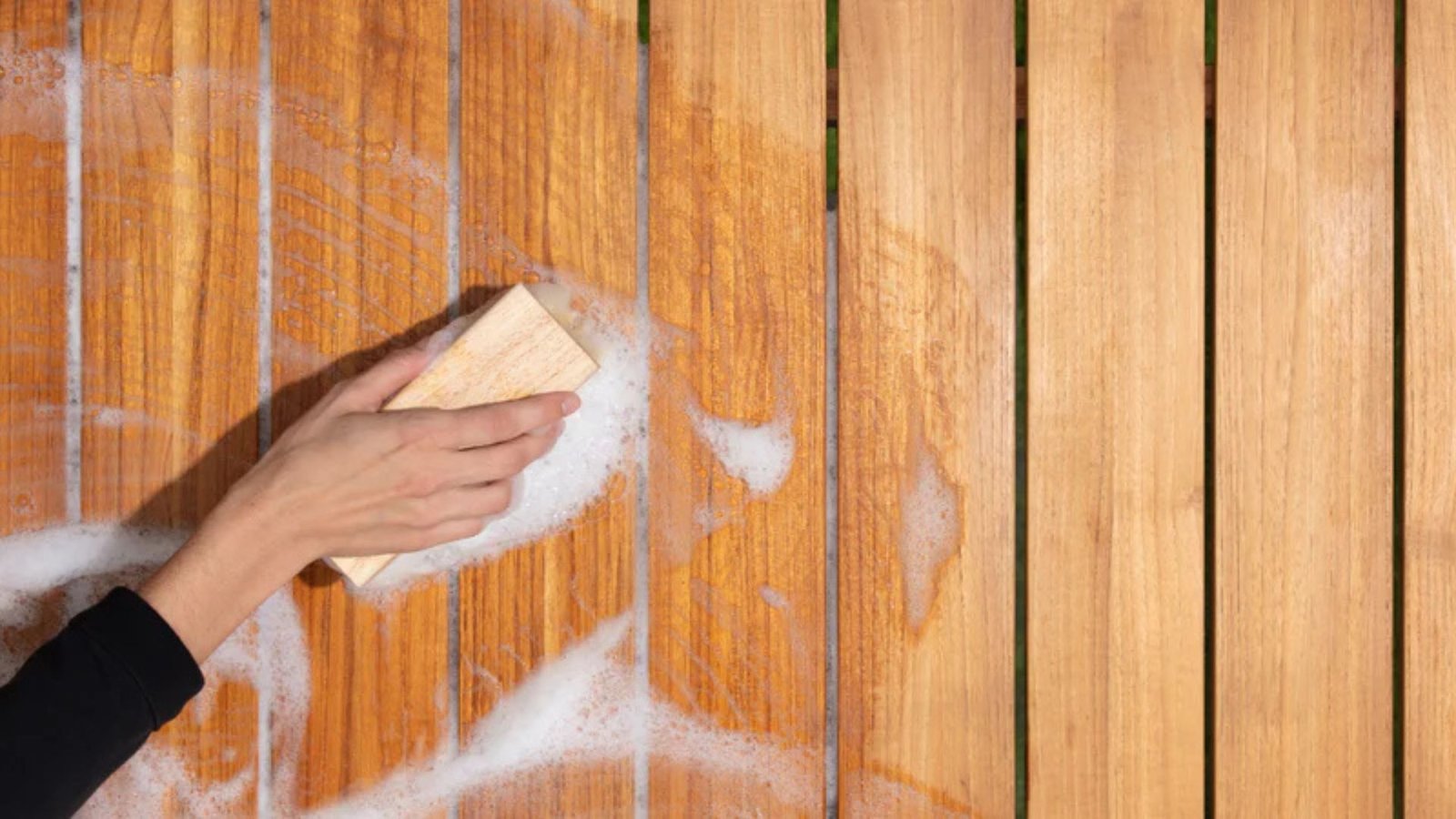
    Preparation is key when enhancing teak lumber with finishes and sealants. Begin by cleaning the surface to remove dirt, grease, or old finishes. Use a teak cleaner or a mixture of mild soap and water. For stubborn stains, a light sanding with fine-grit sandpaper can help. Always allow the wood to dry completely before applying any treatment.

    3. Choose the Right Finish for Your Project

    Different finishes work best for different projects. For outdoor furniture, teak oil or a penetrating sealer is ideal. These treatments soak into the wood and protect it from UV rays and moisture. If you’re working on indoor furniture, a clear polyurethane or varnish can provide a glossy, durable finish. Selecting the right product depends on whether you want a natural matte look or a polished shine.

    4. Apply Teak Oil for a Natural Look

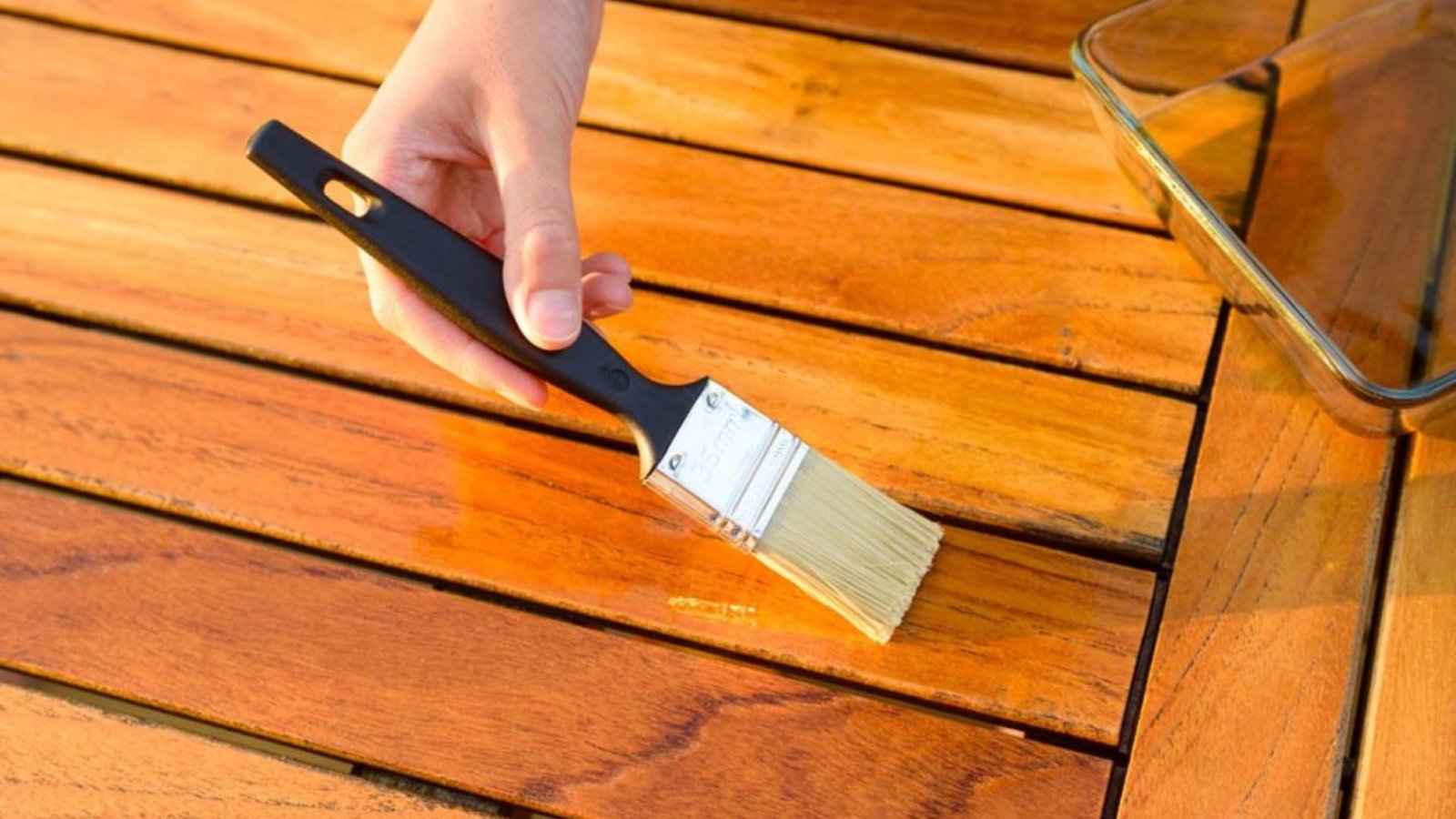
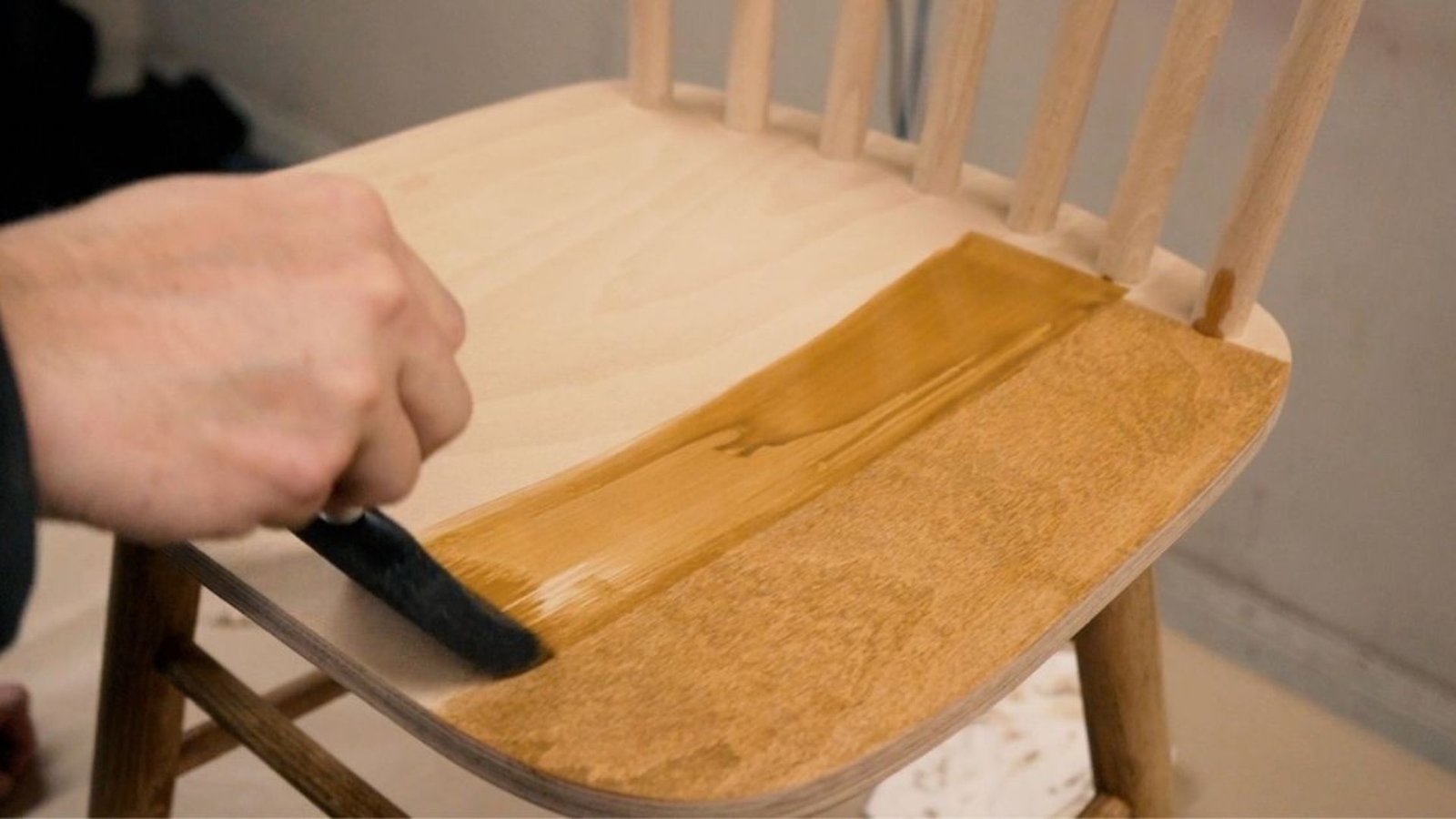
    Teak oil is a popular choice for enhancing teak lumber because it enhances the wood’s natural golden-brown tones without adding a glossy layer. To apply, use a clean cloth or brush and work the oil into the wood grain. Wipe away any excess to prevent a sticky surface. Reapply every few months to maintain the wood’s color and protection.

    5. Use Sealants for Long-Term Protection

    If you’re looking for a more durable option, sealants are the way to go. Sealants create a barrier on the wood’s surface, protecting it from moisture, dirt, and UV damage. Apply the sealant evenly with a brush, ensuring all areas are covered. Allow it to dry completely before applying a second coat for maximum protection.

    6. Sand Between Coats

    For a smooth, professional finish, lightly sand the surface between coats of sealant or finish. Use fine-grit sandpaper and sand along the grain to avoid scratches. This step helps the next layer adhere better and creates a flawless result.

    7. Maintain Your Teak Regularly

    Enhancing teak lumber with finishes and sealants is not a one-time process. To keep the wood looking its best, regular maintenance is necessary. Clean it periodically with mild soap and water, and reapply finishes or sealants as needed. Frequent care prevents the wood from fading or becoming damaged over time.

    8. Protect Against Weathering

    If your teak projects are outdoors, protecting them from extreme weather conditions is crucial. While sealants provide a good layer of defense, using covers during heavy rain or intense sunlight adds extra protection. This step helps extend the lifespan of the finishes and the wood itself.

    9. Test Products on a Small Area

    Before applying any finish or sealant to the entire piece, test it on a small, inconspicuous area. This ensures that the product works well with the teak and achieves the desired look. It’s always better to check first than to risk a finish that doesn’t meet your expectations.

    10. Avoid Over-Application

    When enhancing teak lumber with finishes and sealants, less is often more. Over-applying products can lead to a sticky or uneven surface. Follow the manufacturer’s instructions carefully and apply thin, even coats. This method allows the wood to absorb the product properly and creates a better finish.

    Conclusion

    Enhancing teak lumber with finishes and sealants is a rewarding process that brings out the best in this exceptional wood. By understanding teak’s unique properties and using the right techniques, you can protect it while showcasing its natural beauty. Whether you prefer a natural matte look or a glossy finish, the key is preparation, patience, and regular maintenance. With these tips, your teak projects will look stunning and last for years to come.
  • How to Work with Teak Lumber Without Damaging It

    How to Work with Teak Lumber Without Damaging It

    How to work with teak lumber without damaging it is a question many woodworking enthusiasts ask, and for a good reason. Teak is a beautiful and durable hardwood, but it can be challenging to handle properly. Its natural oils, density, and expense mean that careful techniques are essential to get the best results without causing harm to the material. In this article, we’ll walk you through everything you need to know about working with teak lumber, ensuring your projects turn out perfectly every time.

    Why Teak Lumber Requires Special Attention

    Teak is prized for its strength, resistance to water, and natural beauty. However, its dense structure and high oil content can make it tricky to work with. If handled incorrectly, you risk splintering, uneven cuts, or a poor finish. Learning how to work with teak lumber without damaging it starts with understanding these unique properties and taking appropriate precautions.

    How to Work with Teak Lumber Without Damaging It
    How to Work with Teak Lumber Without Damaging It

    1. Use the Right Tools

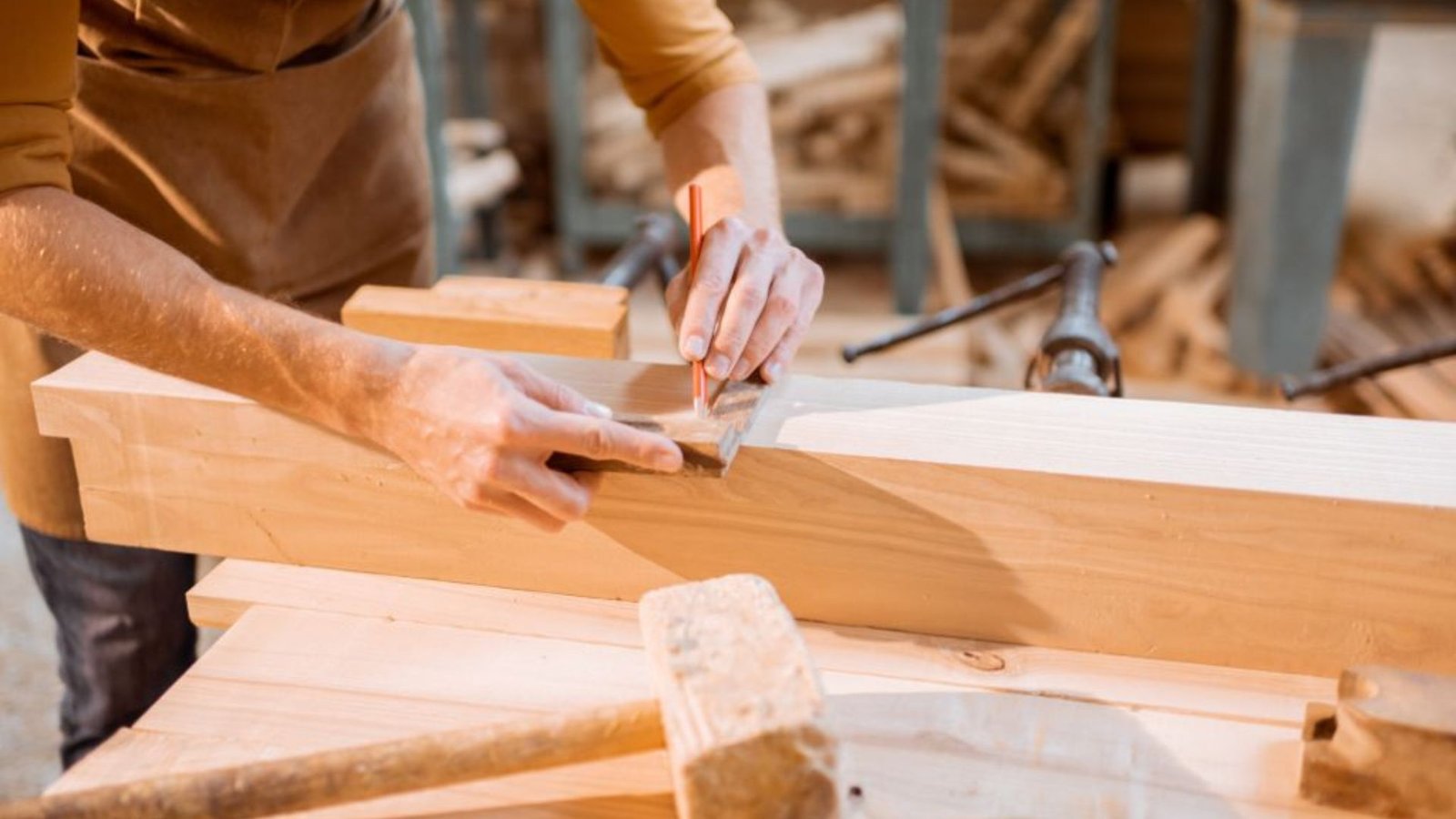
    To work with teak lumber effectively, ensure you use tools designed for hardwoods. Sharp carbide-tipped blades and bits are essential. Teak’s density can dull regular blades quickly, so high-quality tools will save time and effort. Using dull tools can lead to rough cuts, splinters, and unnecessary strain on the wood.

    2. Plan for Teak’s Natural Oils

    Teak contains natural oils that protect it from moisture and insects, but these oils can interfere with glues and finishes. Before gluing or finishing, wipe the wood with a solvent like acetone to remove excess oil. This step helps ensure a strong bond and a smooth finish.

    3. Avoid Over-Sanding

    Sanding teak too much can create a slick surface due to its oils, which may prevent finishes from adhering. Use medium-grit sandpaper and sand lightly. Always sand along the grain to maintain the wood’s natural appearance and avoid scratches that stand out.

    4. Work in a Well-Ventilated Area

    Teak dust can be irritating to the skin and lungs. When cutting or sanding teak, always work in a well-ventilated space and wear a dust mask. This precaution protects both your health and the quality of your project, as excessive dust can interfere with finishes.

    5. Use Proper Joinery Techniques

    Due to its hardness, teak is less forgiving with nails or screws. Pre-drill holes to prevent the wood from splitting and to ensure a precise fit. Consider using dowels or mortise-and-tenon joints for added stability in your projects.

    6. Choose Finishes Carefully

    Teak’s natural oils make it resistant to weather, so it doesn’t require heavy finishes. If you want to enhance its natural color, use a penetrating oil like teak oil or a clear sealer. Avoid film-forming finishes, as they may peel over time due to the wood’s oily nature.

    7. Protect the Wood During Cutting

    When cutting teak, support the wood to prevent splintering at the edges. Using a sacrificial board underneath the teak can help ensure clean cuts. Also, make sure your blade depth is adjusted correctly to avoid unnecessary damage to the material.

    8. Handle Teak with Care

    Teak is expensive, so handle it carefully to avoid dents or scratches. Store it in a dry area away from direct sunlight to prevent warping. Proper storage and handling will ensure your teak remains in excellent condition before and during your project.

    9. Test Before You Commit

    If you’re new to working with teak, practice on a small piece before starting your main project. Testing your tools, finishes, and techniques will give you confidence and prevent costly mistakes. This step is especially helpful when applying finishes to ensure they work well with teak’s oils.

    10. Maintain Your Tools

    Teak can be tough on tools, so keep them sharp and clean. Regular maintenance will help you achieve cleaner cuts and reduce wear and tear on your equipment. Sharp tools also minimize the risk of splintering or damaging the wood.

    Conclusion

    Knowing how to work with teak lumber without damaging it is all about preparation and precision. From using the right tools to taking care with finishes, every step plays a role in protecting the wood and achieving excellent results. With these strategies, you can confidently create stunning projects that showcase teak’s natural beauty and durability. Always remember that patience and attention to detail are key when working with this exceptional hardwood.

  • Eco-Friendly Uses Of Teak Lumber

    Eco-Friendly Uses Of Teak Lumber

    Teak lumber is not only known for its durability and beauty but also its sustainability when sourced responsibly. As one of the most eco-friendly hardwood options, teak can be used in various applications that promote a greener environment. By utilizing sustainably harvested teak, individuals and businesses can reduce their environmental impact while enjoying the benefits of a high-quality material. In this article, we will explore the eco-friendly uses of teak lumber and how it contributes to a sustainable lifestyle.

    Eco-Friendly Uses Of Teak Lumber
    Eco-Friendly Uses Of Teak Lumber

    1. Sustainable Furniture Made From Teak Lumber

    Teak is an excellent choice for eco-friendly furniture. Because of its durability and resistance to moisture, teak furniture can last for decades, reducing the need for frequent replacements. By investing in high-quality teak furniture, you’re supporting a sustainable product that minimizes waste. Additionally, when sourced from certified plantations, teak wood ensures that you’re choosing an environmentally responsible option. Teak’s natural oils also make it resistant to pests, reducing the need for harmful chemicals or pesticides.

    Eco-Friendly Use: High-quality, long-lasting furniture that reduces waste and the need for replacements.

    2. Teak Lumber for Outdoor Decking

    Teak is a popular choice for outdoor decking due to its ability to withstand harsh weather conditions. It requires minimal maintenance, and its natural oils help protect it from moisture, mold, and pests. Choosing teak for your deck not only ensures long-lasting beauty but also helps conserve resources. Unlike synthetic decking materials, which often contribute to environmental degradation, teak decking is biodegradable and can be replaced sustainably. It also doesn’t require harmful chemicals for preservation, making it an eco-friendly option.

    Eco-Friendly Use: Sustainable decking material that is naturally resistant to the elements and biodegradable.

    3. Teak for Sustainable Boat Building

    Teak is frequently used in boat construction due to its ability to resist moisture and saltwater damage. It is a perfect choice for building boat decks, cabins, and trim. Using sustainably harvested teak for boat building helps reduce the pressure on natural teak forests. By choosing eco-friendly sources of teak, boat manufacturers and owners are contributing to the preservation of teak forests, ensuring that future generations can enjoy this valuable resource. Teak’s natural oils make it highly resistant to rot, ensuring that boats built with this material can last for many years.

    Eco-Friendly Use: Teak’s durability makes it a perfect choice for sustainable boat building, contributing to conservation efforts.

    4. Recycled Teak Lumber for New Projects

    Another eco-friendly use of teak lumber is the use of reclaimed or recycled teak. Recycled teak wood is sourced from old furniture, boats, and buildings, which helps reduce deforestation and prevent waste. This wood is repurposed and refinished for new furniture, flooring, and other woodworking projects. By choosing recycled teak, you contribute to the reduction of demand for newly harvested teak, supporting sustainable practices in the woodworking industry. The reuse of old teak also allows the wood’s beautiful grains and natural character to be preserved.

    Eco-Friendly Use: Recycled teak lumber reduces deforestation and minimizes waste by reusing existing materials.

    5. Teak Wood for Eco-Friendly Flooring

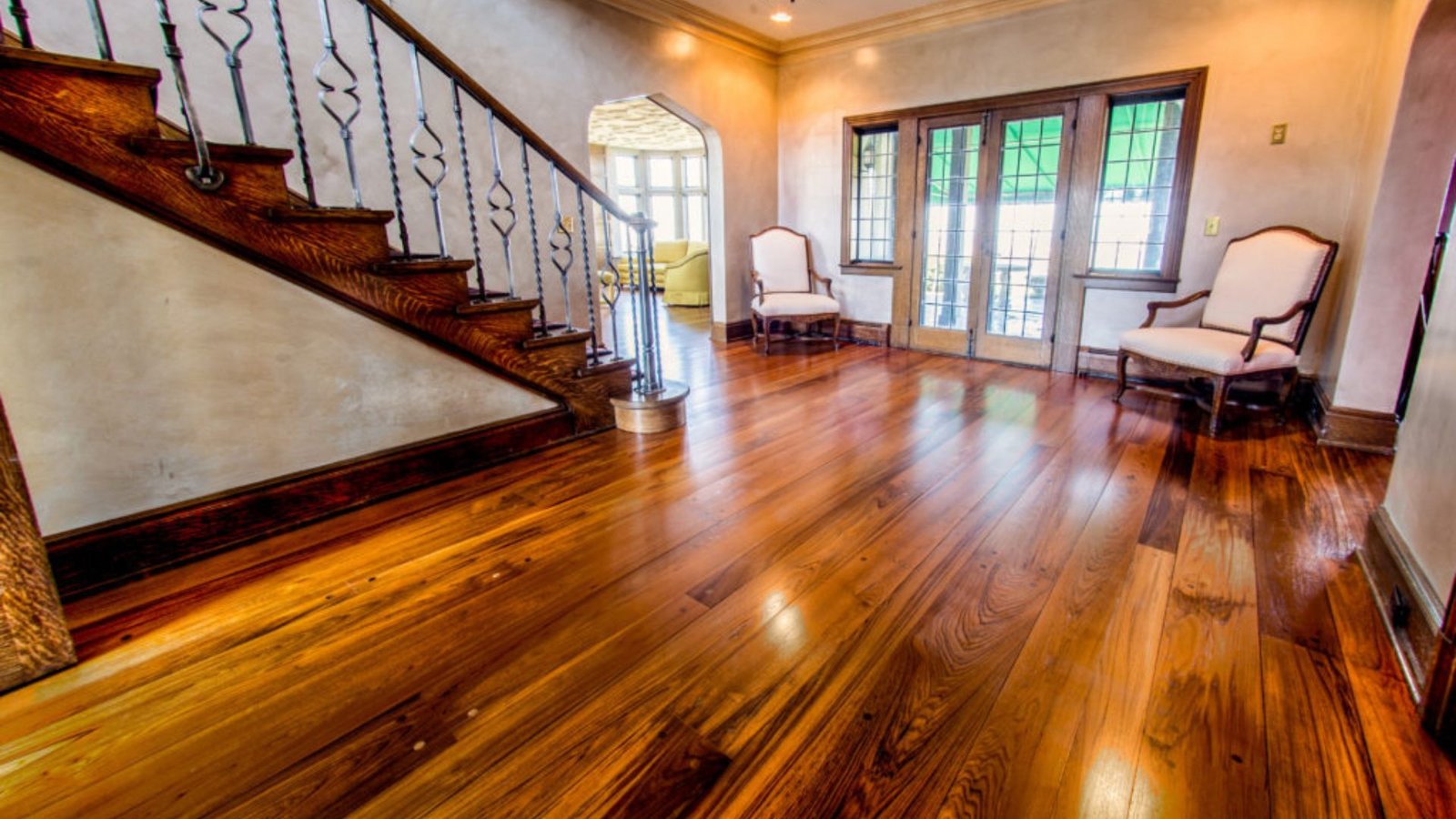
    Teak lumber is a great choice for eco-friendly flooring due to its resilience and natural resistance to wear and tear. It has a warm, elegant appearance that complements a variety of interior designs. When sustainably sourced, teak flooring can contribute to a green building project, reducing the environmental footprint. Additionally, teak’s natural oils help protect it from moisture, mold, and mildew, ensuring that your floors last longer and require less maintenance. This reduces the need for replacements and helps conserve resources over time.

    Eco-Friendly Use: Durable and long-lasting flooring that requires fewer replacements and contributes to sustainable building practices.

    6. Teak in Landscaping and Garden Structures

    Teak wood is also used in landscaping and garden structures, including fences, pergolas, and benches. Its resistance to moisture and pests makes it an ideal material for outdoor garden projects. Teak’s ability to withstand various weather conditions ensures that these structures last for many years, reducing the need for replacements and conserving resources. Using sustainably sourced teak for these purposes promotes eco-friendly gardening and landscaping practices, encouraging the use of durable, natural materials.

    Eco-Friendly Use: Sustainable material for garden structures, reducing the need for frequent repairs or replacements.

    7. Eco-Friendly Teak for Building Sustainable Homes

    Teak lumber is increasingly being used in eco-friendly construction projects, particularly in sustainable homes. Its durability, low maintenance requirements, and natural resistance to the elements make it a great choice for constructing long-lasting homes. Additionally, teak’s beautiful appearance enhances the aesthetic of sustainable buildings, making it an ideal choice for eco-conscious homeowners. By choosing sustainably harvested teak for home building, individuals can reduce their environmental impact and support responsible forestry practices.

    Eco-Friendly Use: Teak is ideal for building sustainable homes, offering both aesthetic appeal and eco-friendly benefits.

    Conclusion

    Teak lumber is a versatile and sustainable material that can be used in a variety of eco-friendly applications. From durable furniture and outdoor decking to sustainable boat building and flooring, teak offers numerous benefits that contribute to a greener environment. By choosing responsibly sourced teak or recycled teak, individuals can help protect the world’s forests and reduce their environmental footprint. Whether you’re building a new home, investing in furniture, or enhancing your garden, teak lumber provides a durable and eco-conscious choice.

  • Teak Lumber Versus Other Hardwoods

    Teak Lumber Versus Other Hardwoods

    Teak lumber is one of the most popular hardwoods used in furniture, decking, and outdoor applications. Known for its durability, natural oils, and beautiful grain, teak stands out in the world of hardwoods. However, other hardwoods such as oak, mahogany, and maple also offer excellent qualities. Understanding how teak lumber compares to other hardwoods can help you make the best choice for your next project. In this article, we’ll explore the unique features of teak and how it stacks up against other hardwoods.

    Teak Lumber Versus Other Hardwoods
    Teak Lumber Versus Other Hardwoods

    1. Durability: Teak Lumber vs Oak, Mahogany, and Maple

    When it comes to durability, teak is unmatched. Teak wood is naturally dense and resistant to moisture, making it ideal for outdoor furniture and marine applications. The natural oils in teak protect from the elements, preventing warping, cracking, and rotting. While oak and mahogany are also durable hardwoods, they are not as resistant to moisture and outdoor conditions as teak. Maple, on the other hand, is more prone to scratches and dents, making it less suitable for heavy-duty outdoor use.

    Teak: Highly durable, weather-resistant, and great for outdoor use.
    Oak: Durable but more prone to moisture damage and expansion.
    Mahogany: Durable but needs regular maintenance to prevent wear.
    Maple: Strong but less resistant to outdoor conditions and more prone to damage.

    2. Natural Appearance and Grain Patterns

    Teak is famous for its rich, golden-brown color and smooth grain patterns. Over time, teak develops a silvery-gray patina when exposed to sunlight, which many people find appealing. Oak, with its pronounced grain, offers a more traditional look with a light, pale finish. Mahogany, on the other hand, has a reddish-brown color that darkens with age, adding warmth to any space. Maple features a light, creamy appearance, with subtle grain patterns, making it ideal for modern and minimalist designs.

    Teak: Rich golden-brown color that ages into a beautiful silver-gray patina.
    Oak: Light, pale finish with pronounced grain.
    Mahogany: Reddish-brown color that darkens with age.
    Maple: Light, creamy finish with subtle grain.

    3. Maintenance Requirements: Teak vs Other Hardwoods

    One of the major benefits of teak is its low maintenance. The natural oils in teak make it resistant to moisture, termites, and decay, requiring less upkeep. Regular cleaning and occasional oiling are typically all that’s needed. In contrast, oak and mahogany require more frequent care to prevent damage from moisture. Oak may need to be sealed or treated with wood preservatives, while mahogany benefits from regular oiling to maintain its rich color. Maple, being softer, may require additional care to prevent dents and scratches from everyday use.

    Teak: Minimal maintenance, just occasional cleaning, and oiling.
    Oak: Requires sealing or treatment to prevent moisture damage.
    Mahogany: Needs regular oiling and care to preserve color and appearance.
    Maple: More prone to dents and scratches, requiring extra care.

    4. Price: Teak Compared to Other Hardwoods

    Teak is often more expensive than other hardwoods due to its high demand, rarity, and the labor-intensive process of harvesting it sustainably. However, its long-lasting qualities and low maintenance can make it a cost-effective investment in the long term. Oak is generally less expensive than teak, making it a more budget-friendly option for furniture. Mahogany falls between teak and oak in terms of price, while maple is one of the most affordable hardwoods.

    Teak: Expensive but offers long-term durability and low maintenance.
    Oak: Budget-friendly, with good durability for the price.
    Mahogany: Mid-range in price, with a rich aesthetic.
    Maple: Affordable but requires more maintenance and care.

    5. Environmental Impact: Teak vs Other Hardwood Options

    Sustainability is a growing concern when choosing hardwood. Teak has a reputation for being sustainably harvested, especially when sourced from certified plantations. However, illegal logging and deforestation remain issues in some regions. Oak and mahogany are also harvested sustainably, though some mahogany species are endangered, and illegal logging is a concern. Maple, typically grown in North America, is often considered a more sustainable choice due to its widespread availability and relatively quick growth.

    Teak: Sustainable when harvested from certified plantations.
    Oak: Can be sustainably harvested, but check for certification.
    Mahogany: Some species are endangered; ensure ethical sourcing.
    Maple: Considered sustainable with quick growth and widespread availability.

    6. Best Uses for Teak Lumber and Other Hardwoods

    Teak is ideal for outdoor furniture, decking, and boats due to its water-resistant properties and elegant appearance. Oak is commonly used for traditional furniture, cabinetry, and flooring, while mahogany is popular for high-end furniture and cabinetry. Maple is often used for modern furniture and flooring due to its smooth finish and durability.

    Teak: Best for outdoor furniture, boats, and decking.
    Oak: Best for traditional furniture and cabinetry.
    Mahogany: Best for high-end furniture and cabinetry.
    Maple: Best for modern furniture, flooring, and cabinetry.

    Conclusion

    Teak lumber stands out among other hardwoods for its superior durability, natural resistance to moisture, and beautiful grain. While it can be more expensive than other options, its long lifespan and minimal maintenance make it a worthwhile investment. Oak, mahogany, and maple all offer distinct advantages depending on your needs, whether for traditional furniture, high-end pieces, or modern designs. When choosing the right wood for your project, consider factors like price, maintenance, appearance, and environmental impact to make the best decision for your space.

  • Teak Lumber Maintenance And Care Tips

    Teak Lumber Maintenance And Care Tips

    Teak lumber is known for its durability and resistance to the elements. However, proper care and maintenance are essential to keep it looking beautiful for years. Whether it’s teak furniture, decking, or other wood products, following the right maintenance routine can help preserve the wood’s natural beauty. This article provides essential tips for maintaining and caring for your teak lumber to ensure its longevity.

    Teak Lumber Maintenance And Care Tips
    Teak Lumber Maintenance And Care Tips

    1. Regular Cleaning of Teak Lumber

    Cleaning your teak lumber regularly is crucial for maintaining its natural appearance. Dirt, dust, and grime can accumulate over time, affecting the wood’s color and texture. To clean teak furniture or decking, use a mild soap solution mixed with warm water and a soft brush. Gently scrub the surface to remove dirt. Avoid using harsh chemicals or abrasive tools, as these can damage the wood. After cleaning, rinse thoroughly with water to remove any soap residue.

    2. Removing Stains and Discoloration

    Teak wood is naturally resistant to stains, but over time, it may develop discoloration due to exposure to the elements. To remove stains and restore the wood’s original appearance, you can use a specialized teak cleaner. These cleaners are designed to break down dirt, oil, and other residues without damaging the wood. Apply the cleaner according to the manufacturer’s instructions and use a soft brush to scrub away the stains. This will help rejuvenate the wood and bring back its rich color.

    3. Oiling Teak Lumber for Enhanced Protection

    While teak wood is naturally oil-rich and resistant to water and decay, applying teak oil can help enhance its appearance and protection. Teak oil helps to deepen the wood’s natural color and provides an extra layer of protection against the sun and moisture. To oil your teak, use a clean cloth to apply a thin layer of oil, following the wood grain. Allow the oil to absorb and wipe off any excess. It’s important to oil the wood regularly to maintain its rich hue and prevent dryness.

    4. Sanding Teak Lumber for a Smooth Finish

    Sanding teak lumber can be a useful method to smooth out rough spots or restore its original finish. Over time, teak may develop surface imperfections due to wear and tear. To sand the teak, use fine-grit sandpaper to gently buff the surface. Sand in the direction of the grain to avoid scratching the wood. Be careful not to over-sand, as this can damage the wood. After sanding, wipe the surface clean and apply a protective oil or sealant to maintain the finish.

    5. Protecting Teak from the Elements

    If your teak lumber is used for outdoor furniture or decking, protecting it from the elements is essential. Although teak is naturally resistant to weather, prolonged exposure to harsh sunlight, rain, and snow can cause it to age and discolor. To protect your teak, consider using a high-quality teak sealer. A sealer acts as a barrier to moisture and UV rays, helping to preserve the wood’s color and prevent cracking. If you live in an area with harsh winters, consider storing your teak furniture indoors during the off-season to protect it from snow and ice.

    6. Avoiding Mold and Mildew Growth

    Mold and mildew can sometimes form on teak lumber if it’s exposed to excessive moisture. To prevent mold growth, ensure that your teak is stored in a dry, well-ventilated area. If mold or mildew appears, clean it promptly using a mild solution of water and vinegar or a specialized teak cleaner. Gently scrub the affected areas with a soft brush and rinse thoroughly with water. Regularly checking for mold and mildew can prevent long-term damage to the wood.

    7. Maintaining Teak in High-Traffic Areas

    For teak furniture or decking that experiences heavy use, regular maintenance is essential. High-traffic areas are more prone to scratches, dents, and wear. To minimize damage, use furniture pads under heavy items to prevent scratching. You may also consider using teak-protectant products designed for high-traffic areas. Regular cleaning and periodic oiling will help keep the wood looking fresh and prevent damage from daily use.

    Conclusion

    Proper teak lumber care and maintenance ensure its long-lasting beauty and durability. Regular cleaning, oiling, and protection from the elements can prevent discoloration and damage. By following these simple tips, you can preserve the natural charm of your teak furniture and decking. Always choose products designed for teak maintenance, and take the time to care for your wood regularly. With the right care, your teak will remain a beautiful and durable addition to your home for many years.

  • Top Suppliers Of Teak Lumber

    Top Suppliers Of Teak Lumber

    When you need premium teak lumber, selecting the right supplier is essential. The best suppliers offer high-quality, sustainably sourced wood, perfect for furniture, decking, and more. As a popular material, teak is prized for its durability and beauty. This article explores some of the top teak lumber suppliers, focusing on quality, sustainability, and customer service.

    Top Suppliers Of Teak Lumber
    Top Suppliers Of Teak Lumber

    1. Teak Warehouse

    Teak Warehouse is one of the most reputable suppliers of teak lumber. They specialize in both raw and finished teak products, including lumber for custom projects, decking, and furniture. The company sources its teak from sustainable plantations in Southeast Asia. This ensures ethical harvesting practices. Teak Warehouse’s wide range of teak lumber grades makes it easy for customers to find the right wood for their needs. If you want durable and high-quality teak, Teak Warehouse is an excellent choice.

    2. Advantage Lumber

    Advantage Lumber stands out for offering premium-quality teak products. They provide various sizes of teak lumber for decking, furniture, and other projects. Advantage Lumber prioritizes sustainability by sourcing its teak from responsibly managed forests. Their detailed product descriptions help customers understand the sourcing practices. With a focus on quality and sustainability, Advantage Lumber is a trusted supplier for any teak project.

    3. The Teak Shop

    The Teak Shop offers a range of high-quality teak lumber and finished products. Specializing in furniture, decking, and cabinetry, they ensure all teak is sustainably sourced from certified plantations. Whether you need raw lumber or ready-to-use products, The Teak Shop delivers. Their competitive pricing and commitment to quality make them a solid option for teak purchases.

    4. Earthwood

    If you are looking for ethically sourced teak, Earthwood is a fantastic choice. They focus on providing sustainable tropical hardwoods, including teak, for various applications. Earthwood’s teak is perfect for decking, furniture, and custom wood projects. They provide excellent options in different sizes and grades. Earthwood’s commitment to environmental responsibility makes them a standout supplier.

    5. Barlow Tyrie

    Barlow Tyrie is a luxury-grade teak supplier known for its exceptional products. They provide sustainably sourced teak, ideal for high-end outdoor furniture and decking. Their teak is carefully selected to meet the highest standards of quality. If you are looking for a teak that combines elegance with durability, Barlow Tyrie is a top choice. They also specialize in custom orders to suit unique project needs.

    6. Smith & Sons

    Smith & Sons, a family-owned business, has been a trusted teak supplier for decades. They offer high-quality teak lumber for a variety of uses, from furniture to decking. Known for excellent customer service, Smith & Sons provides tailored solutions for custom projects. Their expertise and attention to detail make them a reliable supplier.

    7. Teak Deals

    Teak Deals is an online supplier offering competitive prices on high-quality teak products. They specialize in outdoor furniture, decking, and other custom wood projects. Teak Deals provides different grades and sizes to meet various project needs. For affordability and quality, Teak Deals is a great option.

    8. International Wood Products

    International Wood Products supplies teak lumber for both residential and commercial applications. They offer a broad selection of teak, from raw boards to finished products. Their teak is sustainably harvested, providing customers with high-quality wood. International Wood Products stands out for its commitment to reliability and customer satisfaction.

    Conclusion

    Choosing the right teak lumber supplier ensures you get the best quality for your project. The suppliers listed above are known for their commitment to sustainability and high-quality products. Whether you need raw teak for decking or finished products for furniture, these suppliers offer excellent options. By selecting one of these trusted suppliers, you can confidently create beautiful, long-lasting teak projects.

  • Pricing Trends For Teak Lumber

    Pricing Trends For Teak Lumber

    Teak lumber is one of the most sought-after woods for outdoor furniture, decking, and construction. It’s prized for its durability, beauty, and resistance to weather. However, understanding the pricing trends for teak lumber is essential before making any purchase. Factors like quality, source, and market demand can significantly affect the cost. By knowing what influences pricing, you can make a better decision when buying teak for your project.

    Pricing Trends For Teak Lumber
    Pricing Trends For Teak Lumber

    Key Factors Affecting Teak Lumber Prices

    The price of teak lumber can vary depending on several key factors. First, the grade of teak plays a big role. Grade A teak, which is harvested from mature trees, is of the highest quality. It is free from knots and has a rich, golden-brown color. Naturally, Grade A teak is the most expensive. Lower-quality teak, with imperfections or mixed wood types, will cost less.

    The origin of the teak also affects its price. Teak grown in sustainably managed forests tends to be more expensive. This is because sustainable practices require more effort and investment. Teak from countries like Indonesia, India, and Myanmar is often sold at a premium due to high standards for ethical harvesting.

    Current Pricing Trends for Teak Lumber

    In recent years, the price of teak lumber has been rising steadily. This is largely due to increased demand, limited supply, and sustainability efforts. Teak wood is becoming scarcer as many of the older teak forests have been depleted. As a result, prices have been climbing by 5 to 10 percent each year.

    On average, Grade A teak lumber can cost anywhere from $5 to $15 per board foot. The price varies depending on the quality, supplier, and geographic location. Teak sourced from Southeast Asia is generally more affordable than teak from certified sustainable forests. However, certified sustainable teak guarantees responsible harvesting, which might justify the higher cost for some buyers.

    Pricing Differences by Product Type

    Another factor to consider when purchasing teak lumber is what you plan to do with it. Raw teak lumber is typically cheaper than finished products, such as furniture or decking. A teak dining set or a deck made from high-quality teak can cost thousands of dollars. But raw boards or planks for DIY projects will be much more affordable per board foot.

    Additionally, treated teak lumber will usually cost more than untreated teak. Treated wood is often oiled or finished to improve its appearance and increase its resistance to the elements. While untreated teak is still durable, it will require more maintenance over time.

    How to Save Money on Teak Lumber

    While teak lumber is known for being expensive, there are ways to save money. One option is to purchase in bulk. If you’re working on a large project, buying teak in larger quantities can lead to discounts. Many suppliers offer lower prices for bulk orders.

    You can also look for teak that is sourced from regions with fewer supply restrictions. While Southeast Asia is known for its high-quality teak, countries with developing sustainable practices might offer more competitive pricing. Always make sure that the teak you buy is responsibly sourced to ensure that you’re not contributing to deforestation.

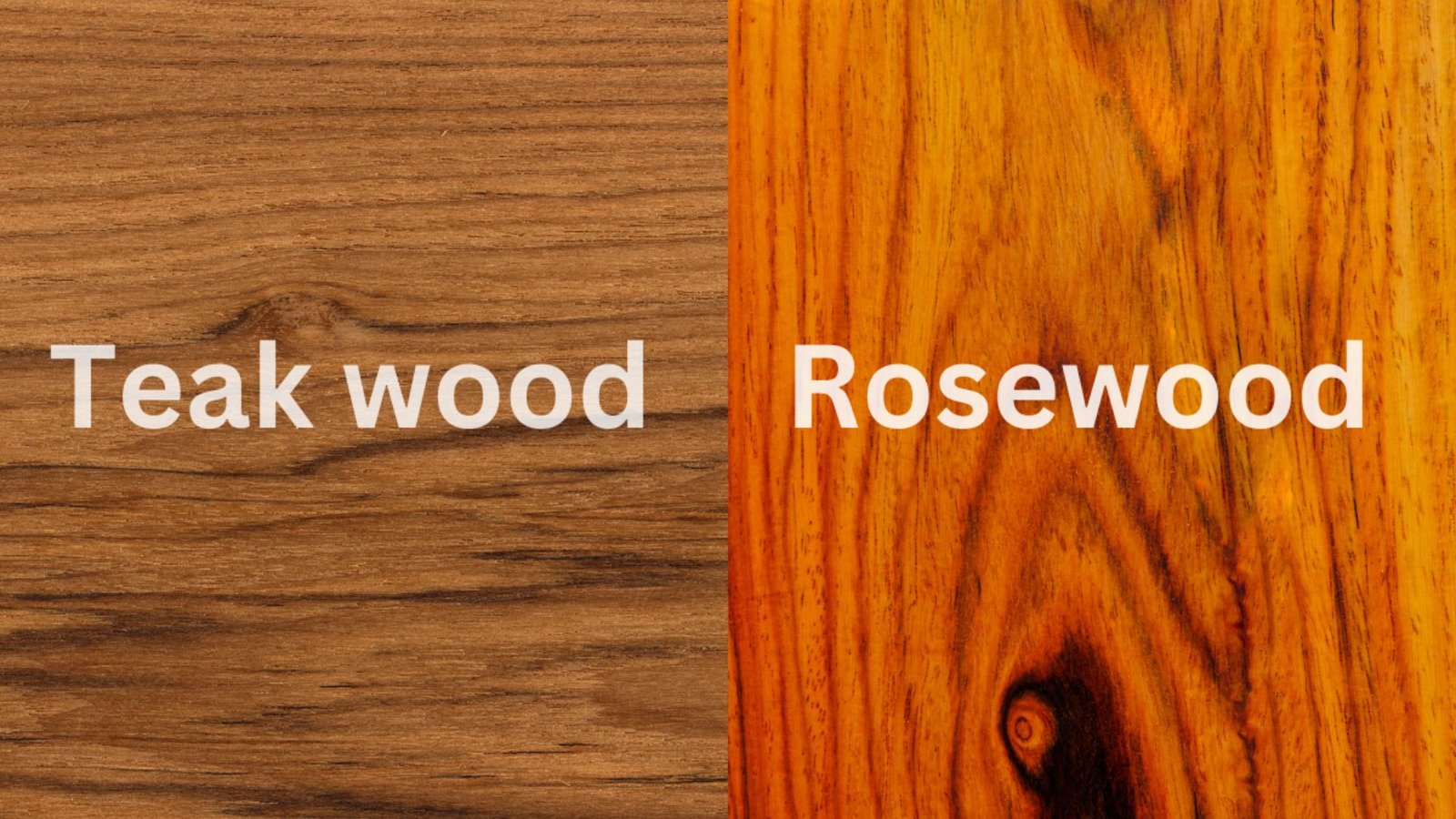
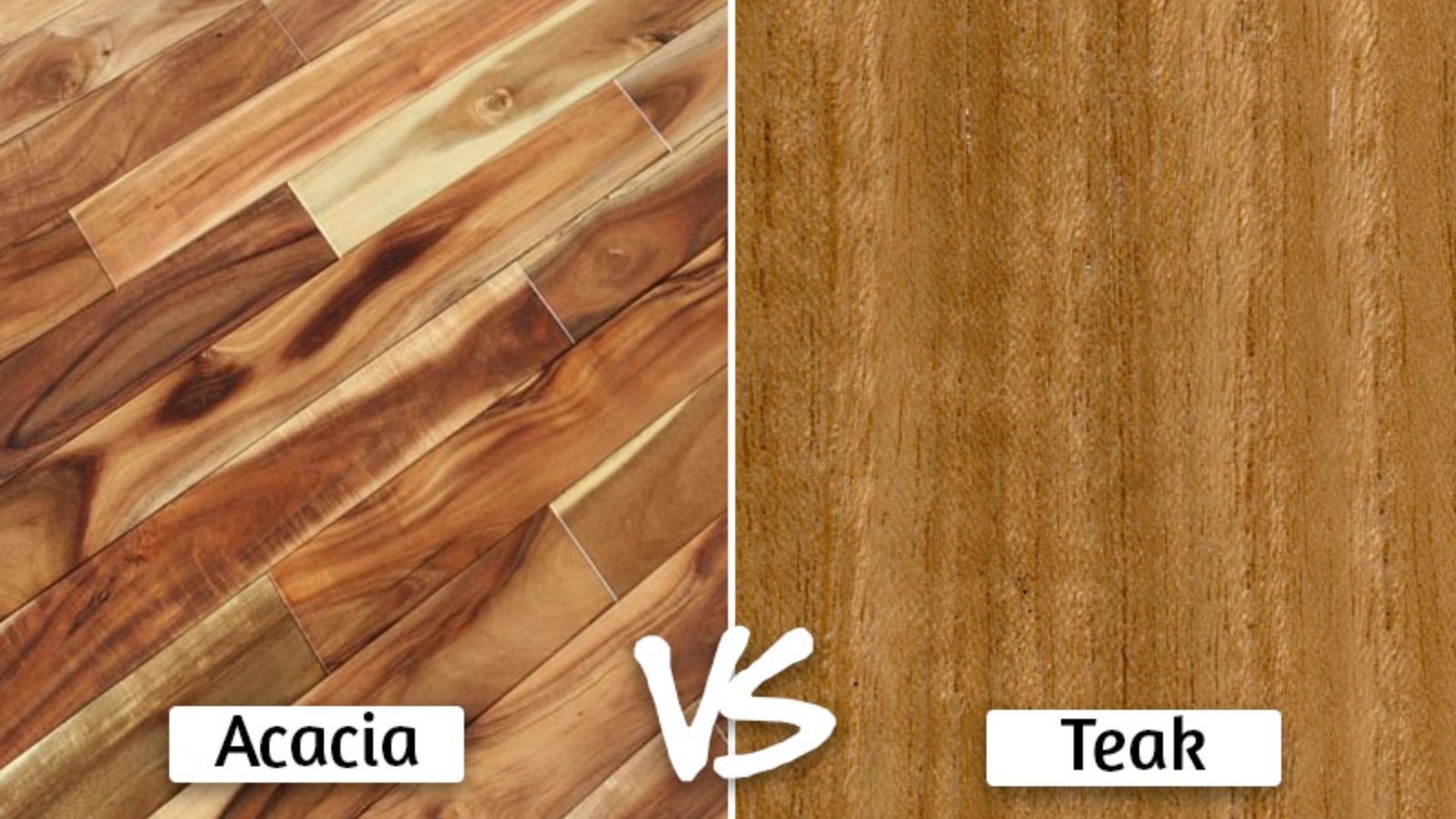
    Lastly, consider alternative woods if teak is out of your budget. Hardwood alternatives, like acacia, eucalyptus, and mahogany, offer similar aesthetics and durability at a lower price.

    The Future of Teak Lumber Pricing

    The pricing trend for teak lumber is expected to continue rising, at least in the short term. As more people seek out sustainable materials, the demand for ethically sourced teak will likely grow. The limited supply of old-growth teak forests may also contribute to price hikes.

    However, advances in sustainable farming practices and the growth of managed teak plantations could help stabilize prices in the future. For now, it’s essential to keep an eye on market trends and make purchases accordingly.

    Conclusion

    Teak lumber is a premium wood, and its pricing reflects that. Factors such as wood grade, origin, and sustainability all influence the price of teak. By understanding current pricing trends for teak lumber, you can make an informed purchase. Whether you’re looking to buy teak for outdoor furniture, decking, or DIY projects, knowing these factors will help you find the best deal while ensuring you get high-quality wood.

  • Teak Lumber For Outdoor Furniture

    Teak Lumber For Outdoor Furniture

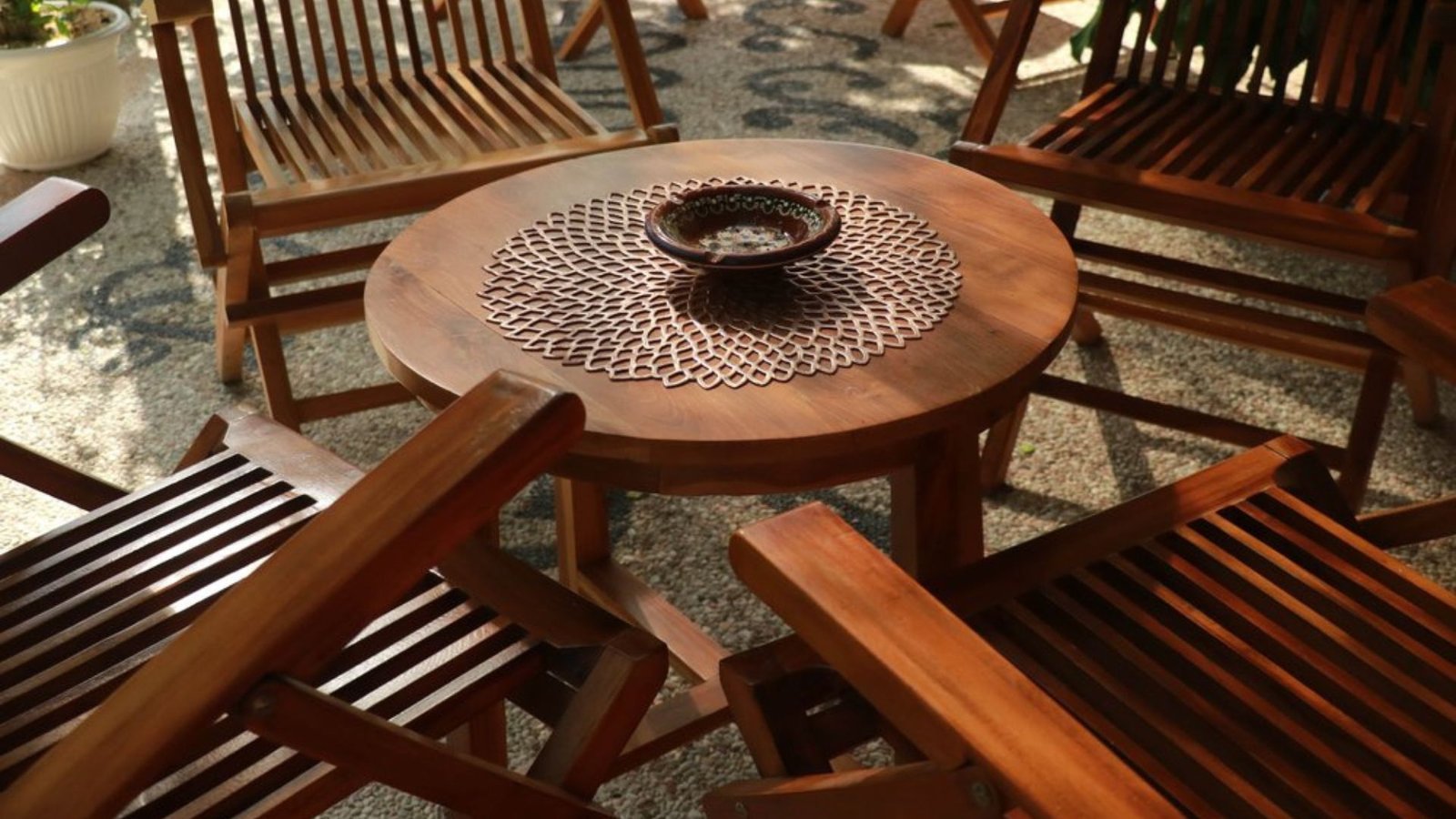
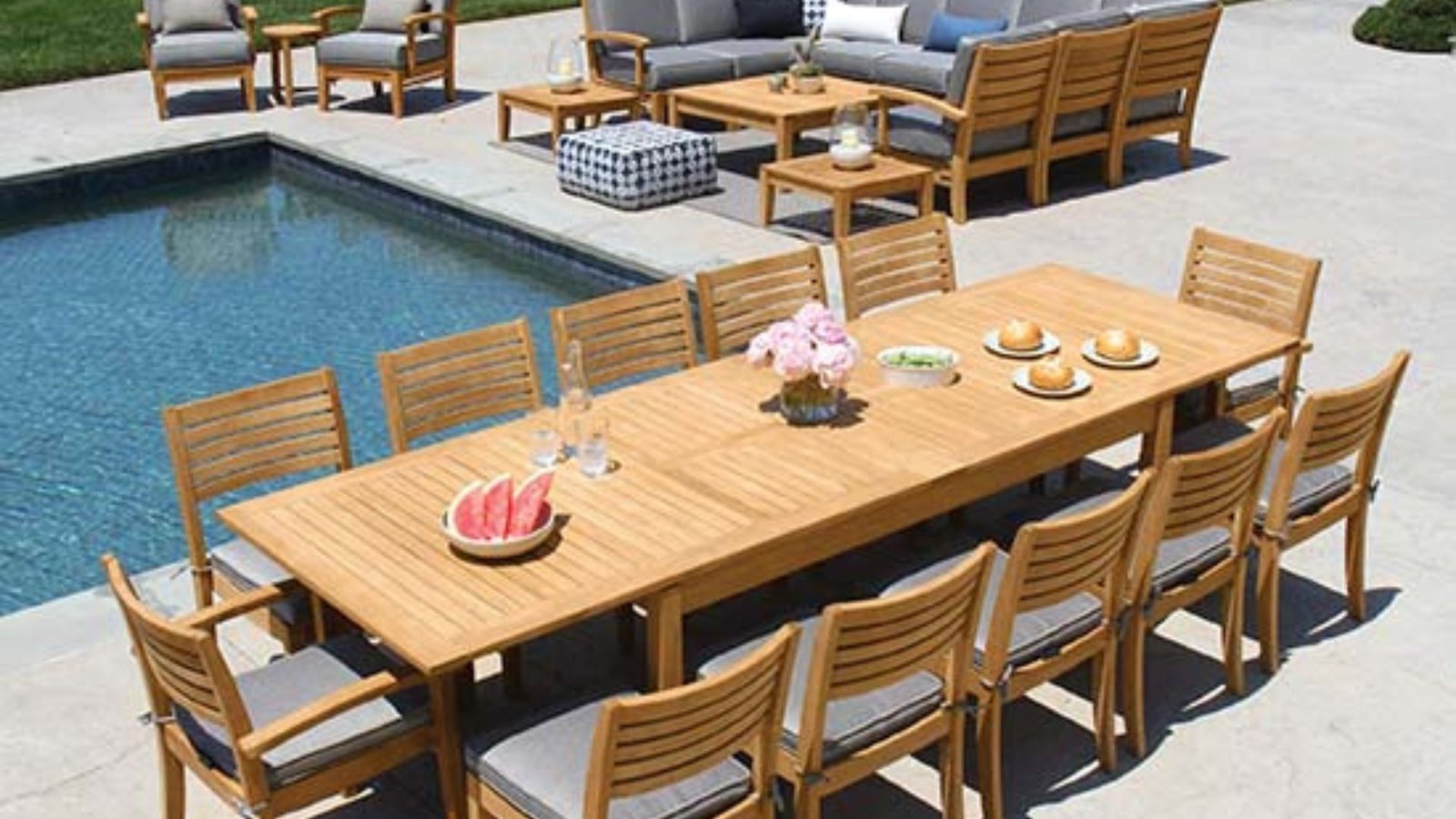
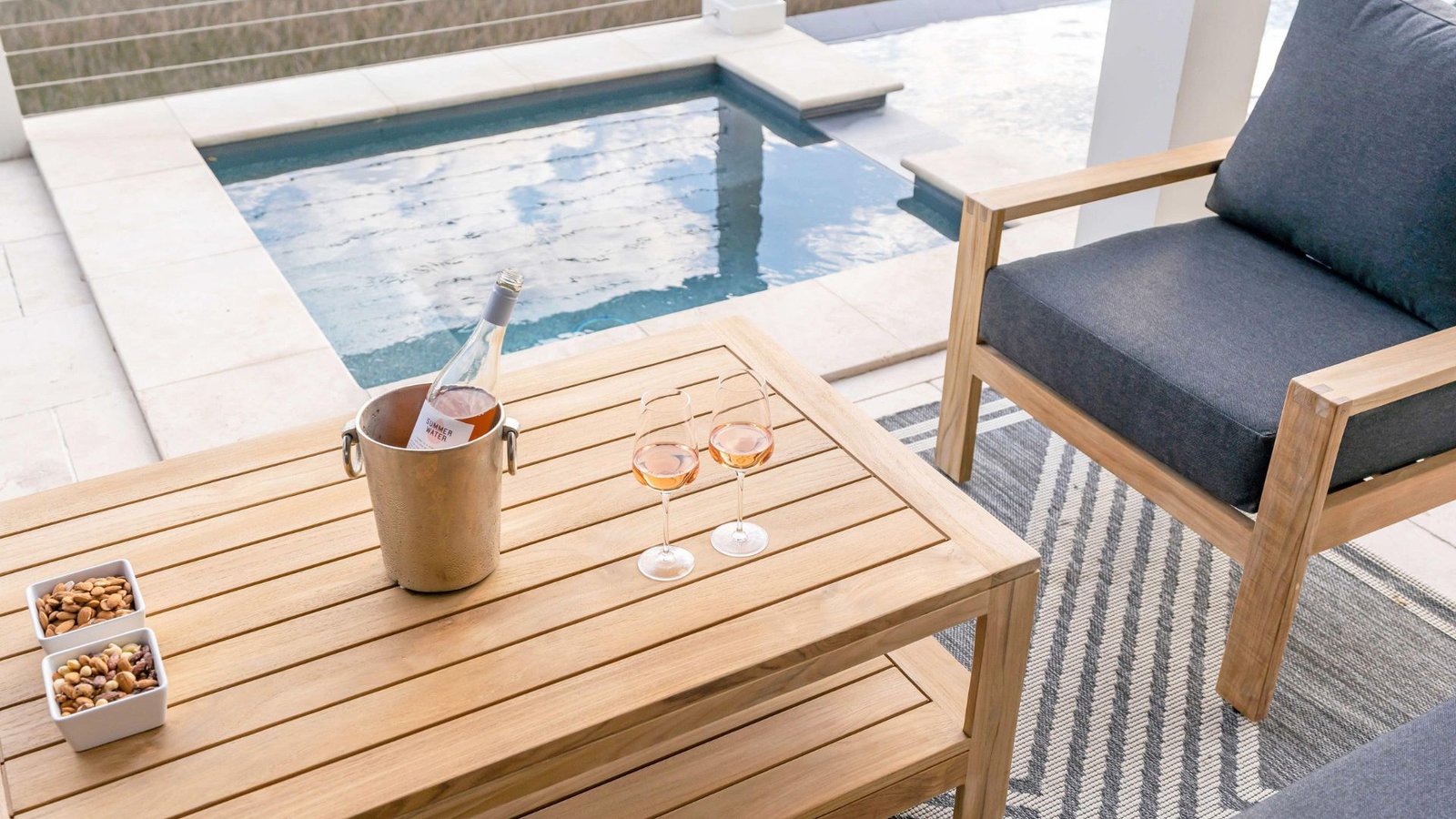
    Teak lumber is one of the best materials for outdoor furniture. It is naturally resistant to harsh weather conditions and provides durability, making it ideal for gardens, patios, and balconies. If you’re thinking of buying teak furniture or using teak lumber for your outdoor furniture projects, understanding its benefits and how to choose the right teak can help you make the best decision.

    Teak Lumber For Outdoor Furniture
    Teak Lumber For Outdoor Furniture

    Benefits of Teak Lumber for Outdoor Furniture

    Teak is known for its strong and durable nature. When used for outdoor furniture, teak lumber can withstand different weather conditions. Unlike many other types of wood, teak contains natural oils that protect it from moisture, making it resistant to rot. This means your outdoor furniture can last for years without the need for constant maintenance.

    Additionally, teak has a beautiful golden-brown color that ages gracefully. As it weathers, it turns to a charming silver-gray patina, giving your furniture a unique look over time. This natural aging process adds character and charm to your outdoor spaces.

    How to Choose Teak Lumber for Outdoor Furniture

    When selecting teak lumber, it’s important to look for high-quality wood. Look for teak that is sourced sustainably, as this helps protect the environment. Sustainable teak lumber is harvested in a way that does not harm the environment, ensuring that forests are not depleted. Always check if the wood has a certification or comes from reputable suppliers.

    Another important factor to consider is the grade of teak. The best quality teak is known as Grade A teak, which comes from the heartwood of the tree. It is dense, strong, and has a rich color. Avoid lower-quality grades as they may contain more knots and be less durable.

    Caring for Teak Lumber Furniture

    Teak furniture requires minimal care, but some attention can help keep it looking beautiful for longer. Regularly clean your furniture with mild soap and water to remove dirt and debris. If you prefer to maintain the golden-brown color, you can apply teak oil or sealer. However, if you’re okay with the natural silver-gray look, you can simply let it weather naturally.

    It is also a good idea to cover your furniture during harsh weather conditions to avoid excessive exposure to rain or sun. Though teak is resistant to the elements, protecting it from extreme conditions can help prolong its life.

    Why Teak is Ideal for Outdoor Furniture

    Teak lumber is ideal because of its resilience, durability, and timeless beauty. It doesn’t crack, splinter, or warp easily, making it a safe and reliable choice for furniture exposed to the elements. Whether you’re creating a dining set, lounge chairs, or a coffee table, teak offers the perfect combination of strength and style.

    Conclusion

    Teak lumber is an excellent choice for outdoor furniture. Its durability, resistance to weather, and aesthetic appeal make it a standout material for outdoor spaces. By selecting high-quality teak, maintaining it properly, and choosing sustainable sources, you can enjoy beautiful, long-lasting outdoor furniture for years to come.

  • Best Alternatives To Teak Lumber

    Best Alternatives To Teak Lumber

    Teak lumber is highly sought after for its beauty, durability, and weather resistance. However, it can be expensive and hard to source sustainably. Fortunately, there are excellent alternatives to teak lumber that offer similar benefits at a lower cost. Whether you’re building furniture, decking, or marine structures, these options are worth considering.

    Best Alternatives To Teak Lumber
    Best Alternatives To Teak Lumber

    Why Look For Alternatives To Teak?

    Teak is undeniably versatile, but there are reasons to explore other woods:

    • Cost: Teak is one of the most expensive woods.
    • Availability: High demand and overharvesting make it harder to find sustainably.
    • Environmental Concerns: Unsustainable teak harvesting harms forests and ecosystems.

    Choosing an alternative can save money and support sustainable practices without sacrificing quality.

    Popular Teak Lumber Alternatives

    Here are the best woods that mimic teak’s properties:

    1. Iroko Wood

    Why It’s A Great Option:

    • Often called “African Teak” due to its similar appearance.
    • Highly durable and resistant to weather and pests.
    • Less expensive and widely available.
      Best For: Outdoor furniture, boat building, and decking.

    2. Shorea Wood (Balau)

    Why It’s A Great Option:

    • Dense, durable, and weather-resistant.
    • Comes in a variety of shades, from light brown to reddish tones.
    • Affordable compared to teak.
      Best For: Outdoor structures like pergolas and decking.

    3. Cumaru Wood (Brazilian Teak)

    Why It’s A Great Option:

    • Extremely hard and resistant to decay and insects.
    • Offers a rich, golden-brown color similar to teak.
    • Ideal for heavy-duty projects.
      Best For: Flooring, decking, and marine applications.

    4. Acacia Wood

    Why It’s A Great Option:

    • Readily available and highly affordable.
    • Durable and naturally water-resistant.
    • Beautiful grain patterns for aesthetic appeal.
      Best For: Indoor furniture and small decorative items.

    5. Eucalyptus Wood

    Why It’s A Great Option:

    • Fast-growing and sustainable.
    • Resistant to rot and pests, especially with proper treatment.
    • Lighter in weight but still durable.
      Best For: Outdoor furniture and garden structures.

    6. Robinia Wood (Black Locust)

    Why It’s A Great Option:

    • Exceptionally durable and eco-friendly.
    • Resembles teak in color and grain.
    • Naturally resistant to weather and pests.
      Best For: Decking, fencing, and outdoor furniture.

    7. Mahogany

    Why It’s A Great Option:

    • Offers a luxurious, reddish-brown finish.
    • Fairly durable and rot-resistant.
    • Easier to work with than teak due to its softness.
      Best For: Indoor furniture and cabinetry.

    8. Jatoba Wood (Brazilian Cherry)

    Why It’s A Great Option:

    • Extremely hard and durable.
    • Features rich, reddish-brown tones.
    • More affordable than teak.
      Best For: Flooring, furniture, and high-traffic areas.

    9. Sapele Wood

    Why It’s A Great Option:

    • Has a fine, interlocking grain pattern.
    • Durable and resistant to rot when treated.
    • Adds a warm, reddish hue to projects.
      Best For: Doors, veneers, and musical instruments.

    Tips For Choosing The Right Alternative

    When selecting an alternative to teak lumber, keep these factors in mind:

    • Project Requirements: Outdoor projects need rot-resistant and durable wood.
    • Budget: Some alternatives are more affordable than others.
    • Sustainability: Look for FSC-certified or plantation-grown wood.
    • Appearance: Match the color and grain to your design preferences.

    Conclusion

    Teak lumber is a premium material, but these alternatives provide excellent substitutes. Iroko, Shorea, Cumaru, and other options offer similar durability, beauty, and weather resistance at a fraction of the cost. By choosing a sustainable alternative, you can complete your project while protecting the environment and staying within budget.

  • How To Choose Teak Lumber

    How To Choose Teak Lumber

    Teak lumber is known for its strength, beauty, and resistance to weather and pests. Whether you’re building furniture, decking, or other projects, knowing how to choose teak lumber is essential. Selecting the right type and quality ensures long-lasting results and adds value to your work.

    How To Choose Teak Lumber
    How To Choose Teak Lumber

    Understanding Teak Lumber Quality

    Teak lumber comes in different grades, which can impact its durability, appearance, and price.

    Grades Of Teak Lumber:

    1. Grade A Teak: This is the highest quality. It comes from the heartwood of mature teak trees and has a golden-brown color, high oil content, and excellent durability.
    2. Grade B Teak: Found between the heartwood and sapwood, this grade has lower oil content and may not be as durable as Grade A.
    3. Grade C Teak: This is sapwood, which is less durable, has lower oil content, and often requires treatment to resist weather and pests.

    Tip: For outdoor projects like decking or boats, always choose Grade A teak for its superior weather resistance.

    Check For Sustainability

    When choosing teak lumber, prioritize sustainability. Overharvesting has led to environmental concerns, so look for responsibly sourced teak.

    What To Look For:

    • FSC Certification: Ensures the wood is harvested responsibly.
    • Reclaimed Teak: An eco-friendly option that uses recycled wood from old structures.
    • Plantation Teak: Grown specifically for commercial use, helping to reduce deforestation.

    Inspect The Grain And Color

    The grain and color of teak lumber can affect the overall look of your project.

    Key Features To Consider:

    • Straight Grain: Indicates high-quality teak that is easier to work with.
    • Golden-Brown Hue: Signifies well-aged, mature wood.
    • Avoid Cracks Or Knots: These can weaken the lumber and affect its appearance.

    Consider The Project’s Needs

    The type of teak lumber you need depends on the specific project you’re working on.

    Examples:

    • Furniture: Grade A or B teak for a polished look and durability.
    • Decking: Grade A teak for weather resistance and longevity.
    • Decorative Items: Grade B or reclaimed teak for affordability and character.

    Evaluate The Moisture Content

    Teak lumber naturally resists moisture, but it’s important to ensure the wood has been properly dried to prevent warping or cracking.

    How To Check:

    • Use a moisture meter to measure the wood’s moisture content.
    • Opt for kiln-dried teak, which is stable and ready for use.

    Compare Prices And Suppliers

    Teak lumber can vary in price depending on the grade, source, and supplier. Comparing options helps you get the best value for your money.

    Tips For Buying:

    • Research multiple suppliers and ask about their sourcing practices.
    • Be cautious of prices that seem too low, as this may indicate poor quality or illegal sourcing.
    • Invest in higher-grade teak for projects requiring durability and beauty.

    Premium Hardwood Products for Your Home

    Stangelo Hardwoods provides high-quality hardwood products for any project, whether it’s flooring or custom furniture. While you’re enhancing your space, why not try your luck at jokacasino for some fun online gaming?

    Conclusion

    Choosing teak lumber involves considering quality, sustainability, and the specific needs of your project. Focus on Grade A teak for premium durability and look for FSC-certified or reclaimed options to support the environment. By following these tips, you can select teak lumber that ensures excellent results and long-term value for your work.