Category: Boat Building

  • How to Select the Right Hardware for Sailboats

    How to Select the Right Hardware for Sailboats

    Choosing the right hardware for sailboats is a crucial step in ensuring your vessel performs efficiently and stays safe on the water. From cleats to winches, every piece of equipment plays a role in your sailboat’s functionality. Making the right decisions involves understanding your boat’s specific needs, the sailing conditions, and the durability of the materials. Let’s get into the key considerations to help you select the right hardware for your sailboat.

    Understanding Your Sailboat’s Requirements

    The first step in selecting the right hardware for sailboats is knowing the type of boat you own. Small sailboats have different needs than larger vessels, so the size and weight of your boat significantly influence the hardware you’ll require. A racing sailboat, for example, demands lightweight, high-performance components, while a cruising sailboat benefits from robust, durable gear.
    How to Select the Right Hardware for Sailboats
    How to Select the Right Hardware for Sailboats

    Choosing Materials That Last

    When selecting sailboat hardware, prioritize materials that can withstand the harsh marine environment. Stainless steel and marine-grade aluminum are popular choices due to their corrosion resistance and strength. Stainless steel is ideal for components like cleats and shackles, while aluminum is great for mast fittings and blocks. Always look for hardware that is specifically designed for marine use to ensure longevity and reliability.

    Crafting Quality Experiences Both Online and Offline

    Just as Stangelo Hardwoods focuses on precision and quality in every project, finding a reliable online gaming platform requires careful selection. Choosing the right option can enhance both entertainment and rewards. For players looking to enjoy exciting games safely, Devonport online pokies offers a trusted choice. Combining reliability with enjoyable experiences ensures satisfaction every time.

    Investing in Quality Winches

    Winches are essential for controlling sails, so selecting high-quality ones is vital. Consider the load capacity and material of the winch. Manual winches work well for smaller boats, while electric winches are better suited for larger sailboats with heavier loads. Always ensure the winch can handle the expected strain, as undersized winches can lead to mechanical failure.

    Picking the Right Cleats

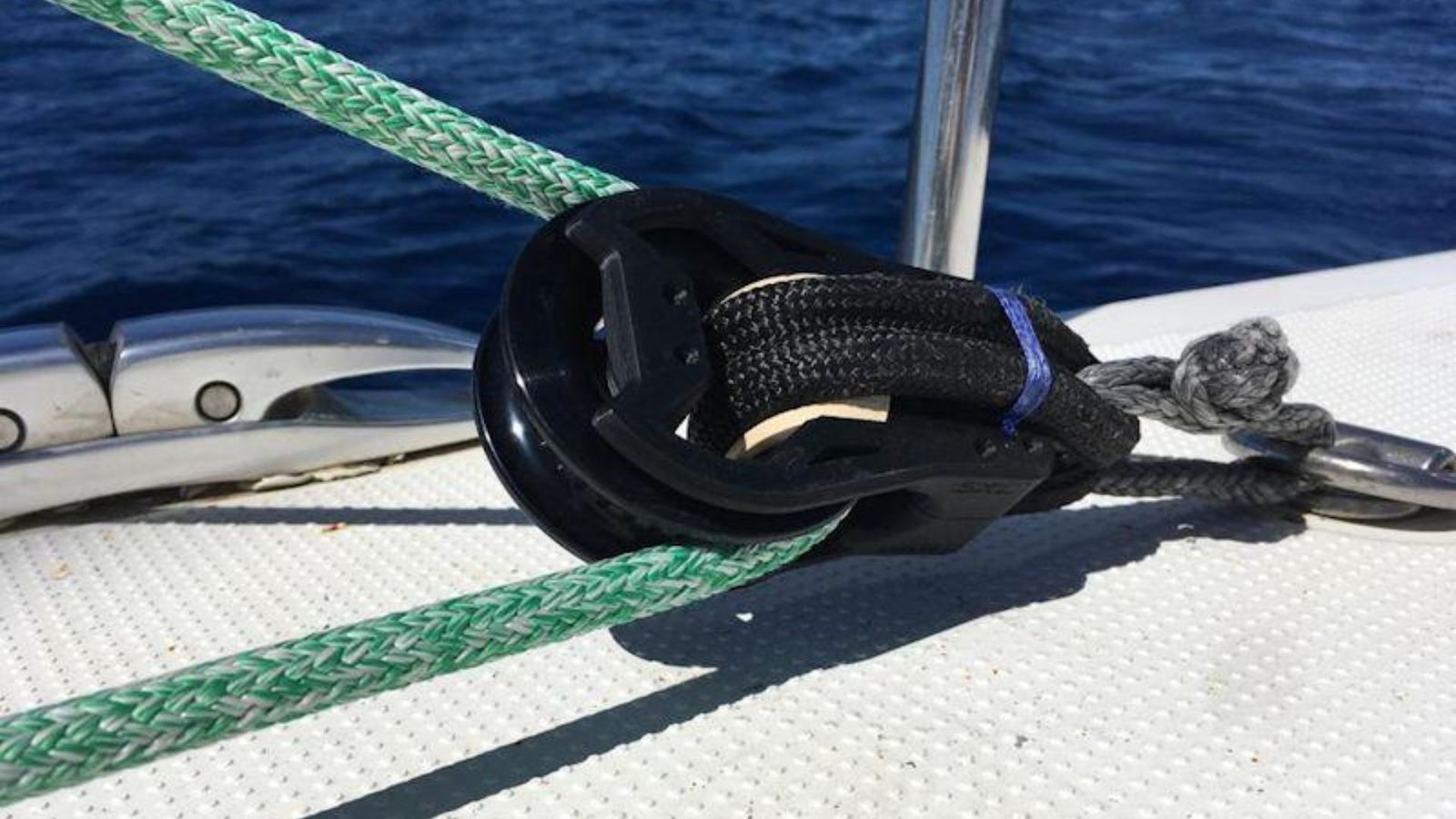
    Cleats are used to secure lines and are available in various designs, such as horn cleats, cam cleats, and clam cleats. The size of your sailboat determines the appropriate cleat size. A cleat that is too small won’t provide a secure hold, while an oversized one can be cumbersome to use. Look for cleats made from stainless steel or reinforced nylon for durability.

    Evaluating Blocks and Pulleys

    Blocks and pulleys are essential for redirecting lines and reducing friction. To select the right ones, consider the working load, line diameter, and type of sailing you’ll be doing. Modern blocks with ball bearings offer smoother performance and require less maintenance, making them a great option for most sailboats.

    Crafting Excellence with St. Angelo Hardwoods

    St. Angelo Hardwoods is dedicated to providing premium wood products that enhance both beauty and durability in every project. With a strong commitment to craftsmanship and sustainability, the company ensures each piece reflects precision and quality. For those who appreciate fine craftsmanship and relaxation, explore Kingjohnnie Club. Discover how passion and precision come together at St. Angelo Hardwoods.

    Understanding Anchoring Systems

    Your anchoring system is critical for safety, especially during overnight stays or rough weather. The type of anchor you choose depends on the seabed you’ll encounter, such as sand, mud, or rocky bottoms. Pair the anchor with a sturdy chain and reliable windlass to ensure a secure hold. This system should be robust enough to handle the weight of your boat and the conditions you expect to face.

    Selecting Reliable Rigging Components

    Rigging is the backbone of any sailboat, connecting the mast, sails, and hull. Pay attention to the quality of turnbuckles, wire ropes, and toggles when assembling your rigging system. Stainless steel is the preferred material for standing rigging due to its strength and resistance to corrosion. Regularly inspect these components for wear and tear to maintain their reliability.

    Prioritizing Safety Features

    Safety should always be a priority when selecting hardware for sailboats. Equip your boat with reliable lifelines, jacklines, and padeyes to ensure safety during challenging conditions. Additionally, consider installing a strong and easy-to-access emergency tiller for steering in case of rudder failure.

    Matching Your Hardware to Sailing Conditions

    The sailing conditions you face play a big role in determining the type of hardware you need. Coastal sailors may not require the same level of durability as those venturing into offshore waters. If you sail in areas with high winds or rough seas, opt for heavy-duty equipment designed to handle extreme conditions.

    The Importance of Maintenance

    Even the best hardware won’t last without proper care. Regular maintenance is essential for keeping your sailboat in top condition. Inspect your hardware for signs of corrosion, wear, or damage, and replace any compromised components promptly. Lubricating moving parts like winches and blocks ensures smooth operation and extends their lifespan.

    The Quality and Sourcing of Fine Hardwood Materials

    Stangelo Hardwoods supplies premium-grade lumber for custom millwork and high-end furniture, with a focus on sustainable sourcing and providing reliable quality to our master craftsmen. The foundation of any quality project is the integrity of its raw materials. Finding this same high standard of reliable materials and services is key for all digital interests, including the platform found at bestussportsbetting.com. Invest in the finest hardwoods for a lifetime of beauty.

    Conclusion

    Selecting the right hardware for sailboats is a blend of understanding your boat’s needs, choosing high-quality materials, and prioritizing safety. By carefully considering each piece of equipment and how it fits into your sailboat’s system, you can enhance performance and ensure a smooth sailing experience. Remember, investing in the right hardware not only improves functionality but also gives you peace of mind while on the water.

  • Strategies for Achieving Precision in Boat Construction

    Strategies for Achieving Precision in Boat Construction

    Quality Hardwood Solutions for Every Project

    At Stangelo Hardwoods, we specialize in providing premium hardwood materials that meet the diverse needs of our customers. Whether you’re working on a custom woodworking project or need durable flooring, our products deliver unmatched quality. Our commitment to excellence extends beyond materials, offering personalized service tailored to your requirements. For those interested in additional information about other industries, you can explore resources such as gambling360 australia, which provides valuable insights into the Australian gaming market.

    Achieving precision in boat construction is essential for creating vessels that are reliable, durable, and perform well on the water. Whether you’re building a boat as a hobby or for professional use, paying attention to every detail ensures a final product that meets the highest standards. From careful planning to selecting quality materials, there are proven strategies that make a significant difference in the outcome of your project. Let’s give you tips for achieving precision in boat construction.

    Why Precision Matters in Boat Construction

    Precision is not just about making a boat look good; it’s about ensuring the vessel’s safety, performance, and longevity. Boats face harsh environments, from salty water to strong winds, and any mistakes in construction can compromise their integrity. Achieving precision in boat construction helps avoid costly repairs, improves efficiency, and ensures your boat stands the test of time.

    Achieving Precision in Boat Construction
    Achieving Precision in Boat Construction

    1. Start with a Detailed Plan

    The foundation of precision lies in thorough planning. Before you start cutting or assembling materials, spend time creating or reviewing a detailed blueprint. A well-thought-out plan includes exact measurements, material specifications, and step-by-step instructions. This roadmap reduces errors and keeps you focused on the goal.

    2. Use High-Quality Materials

    Precision begins with the right materials. Whether it’s marine-grade plywood, fiberglass, or epoxy, using high-quality materials ensures accuracy and durability. Cheaper alternatives may save money upfront, but they often lead to problems later, such as warping or structural weaknesses. Investing in the best materials makes achieving precision in boat construction much easier.

    3. Measure Twice, Cut Once

    This classic saying holds true for boat construction. Always double-check your measurements before making any cuts. Even a small mistake can throw off the entire build. Use reliable tools like tape measures, calipers, and straight edges to ensure accuracy. Patience during this step prevents costly errors and wasted materials.

    4. Master Your Tools

    Understanding how to use your tools properly is key to achieving precision. From hand tools to power equipment, each has its own technique and purpose. Spend time practicing and learning how to handle your tools effectively. Well-maintained tools also contribute to more accurate results.

    5. Prioritize Alignment and Symmetry

    In boat construction, alignment and symmetry are crucial. Even minor deviations can impact the vessel’s performance and appearance. Use jigs, clamps, and levels to ensure every piece is perfectly aligned. Regularly step back and assess your progress to confirm everything is coming together as planned.

    6. Work in a Controlled Environment

    The environment where you build your boat plays a big role in precision. Temperature, humidity, and lighting can all affect materials and your ability to work accurately. Choose a well-lit, ventilated workspace with stable conditions to minimize issues during construction.

    7. Focus on Joint Strength

    Strong joints are essential for a boat’s overall integrity. When assembling parts, pay extra attention to how pieces fit together. Use adhesives, screws, or bolts that are specifically designed for marine use. Test each joint for strength and make adjustments if necessary.

    8. Take Your Time with Sanding and Finishing

    The finishing process is where precision truly shines. Sanding ensures smooth surfaces, while finishing protects the boat from the elements. Take your time during this step to achieve a professional look and long-lasting durability. A rushed finish can undo all your hard work.

    9. Continuously Check for Accuracy

    Throughout the construction process, pause regularly to check your work. Compare your progress to the blueprint and confirm measurements, alignments, and joints are accurate. Catching mistakes early saves time and effort later.

    10. Learn from Experts and Peers

    Finally, don’t hesitate to seek advice from experienced boat builders. Workshops, online forums, and instructional videos provide valuable insights. Learning from others can help you refine your techniques and adopt strategies for achieving precision in boat construction.

    Premium Hardwoods Meet Relaxed Recreation

    St. Angelo Hardwoods in Tiverton, RI, is a trusted supplier of high‑quality teak and imported hardwoods, offering milling, molding, and surfacing services for bespoke woodworking projects :contentReference[oaicite:0]{index=0}.
    With decades of expertise under owner Steve St. Angelo, the company continues to support craftsmen with exceptional materials and service :contentReference[oaicite:1]{index=1}.
    After a productive day in the workshop, artisans can enjoy a thoughtful break by trying a strategic game of blackjack.
    It’s a simple way to unwind before diving back into your next custom millwork masterpiece.

    Conclusion

    Achieving precision in boat construction requires a mix of careful planning, attention to detail, and dedication to quality. By focusing on each step of the process and using the right materials and techniques, you can create a vessel that performs beautifully and lasts for years. Remember, precision is about more than just measurements—it’s about building with purpose and pride.

  • Top Boat Building Workshops to Enhance Your Skills

    Top Boat Building Workshops to Enhance Your Skills

    If you’re passionate about crafting boats and want to take your abilities to the next level, attending boat building workshops to enhance your skills is the perfect way to do so. These workshops are designed to teach you everything from basic construction techniques to advanced craftsmanship. Whether you’re a beginner or looking to refine your skills, there’s something for everyone in these hands-on learning environments.

    Why Attend Boat Building Workshops to Enhance Your Skills?

    Boat building workshops are a fantastic way to gain practical knowledge and improve your craftsmanship. They provide hands-on experience, expert guidance, and the chance to work with like-minded individuals who share your passion. Not only do these workshops teach essential techniques, but they also build confidence in your ability to create something extraordinary.

    Boat Building Workshops to Enhance Your Skills
    Boat Building Workshops to Enhance Your Skills

    1. WoodenBoat School (Brooklin, Maine)

    The WoodenBoat School in Brooklin, Maine, is one of the most renowned institutions for boat building. It offers workshops for all skill levels, from beginners to experienced builders. You’ll learn traditional techniques, such as using hand tools and working with wood, while also exploring modern advancements. These classes emphasize hands-on learning, making them perfect for those who want to build a boat from scratch.

    2. Northwest School of Wooden Boatbuilding (Port Hadlock, Washington)

    Known for its focus on craftsmanship, the Northwest School of Wooden Boatbuilding provides in-depth courses that teach everything from design to finishing. This school caters to individuals looking to pursue boat building professionally or as a hobby. The instructors bring years of experience, ensuring you gain valuable insights and techniques.

    3. Chesapeake Light Craft (Annapolis, Maryland)

    Chesapeake Light Craft specializes in kits and workshops for small boats like kayaks and canoes. Their hands-on classes guide participants through the entire building process, making them an excellent choice for beginners. These workshops not only teach you how to assemble a boat but also provide a deep understanding of boat design and functionality.

    4. The Boat Building Academy (Lyme Regis, UK)

    For those in the UK, the Boat Building Academy in Lyme Regis offers exceptional courses. Their programs cover both traditional wooden boat construction and modern techniques. You’ll gain hands-on experience while learning the theory behind boat building. The academy’s emphasis on detail and quality ensures you leave with valuable skills.

    5. Australian Wooden Boat School (Franklin, Tasmania)

    If you’re in Australia, the Australian Wooden Boat School is an ideal choice. Located in Franklin, Tasmania, this school offers workshops tailored to different skill levels. They focus on traditional wooden boat building techniques, ensuring you understand the craft’s rich history while mastering the skills needed for your projects.

    6. Gannon & Benjamin Marine Railway (Martha’s Vineyard, Massachusetts)

    Gannon & Benjamin is famous for its dedication to traditional boat building. Their workshops focus on using hand tools and time-tested methods. If you’re interested in creating classic wooden boats, this is the perfect place to learn and practice.

    7. IYRS School of Technology & Trades (Newport, Rhode Island)

    The IYRS School of Technology & Trades offers an immersive experience for those serious about boat building. Their comprehensive programs cover everything from traditional craftsmanship to modern composites. The school’s state-of-the-art facilities and expert instructors make it a great choice for anyone looking to enhance their skills.

    8. San Francisco Maritime National Historical Park (California)

    The San Francisco Maritime National Historical Park provides unique workshops focused on preserving traditional boat building methods. You’ll have the chance to work on historic vessels while learning skills that have been passed down through generations.

    9. Sea Island Boatworks (South Carolina)

    Sea Island Boatworks offers practical workshops tailored to individuals interested in small boat construction. Their classes are designed to help you develop hands-on skills while teaching you the fundamentals of boat design.

    10. Great Lakes Boat Building School (Cedarville, Michigan)

    For those near the Great Lakes, this school offers excellent programs in traditional and modern boat building. Their workshops focus on craftsmanship and practical techniques, making them suitable for hobbyists and aspiring professionals.

    Conclusion

    Attending boat building workshops to enhance your skills is a rewarding experience that combines creativity, craftsmanship, and learning. These workshops offer more than just technical knowledge—they connect you with a community of passionate builders and provide the satisfaction of creating something with your own hands. Whether you’re constructing a small canoe or a larger vessel, the skills you gain from these workshops will stay with you for a lifetime.

  • Best Maintenance Practices for Handmade Boats

    Best Maintenance Practices for Handmade Boats

    Maintaining a handmade boat is an essential part of ensuring its longevity and performance. Handmade boats are crafted with care and attention to detail, and they require the same level of commitment when it comes to upkeep. In this guide, we’ll share the best maintenance practices for handmade boats to keep them in top condition. Whether your boat is made of wood, fiberglass, or a combination of materials, these tips will help you protect your investment.

    Why Maintenance Practices for Handmade Boats Are Crucial

    Handmade boats are unique and often hold sentimental value, making regular maintenance even more important. Proper care ensures that your boat remains safe, functional, and visually appealing. Neglecting maintenance can lead to costly repairs and reduce the lifespan of your boat. By following these practices, you can enjoy smooth sailing for years to come.

    Maintenance Practices for Handmade Boats
    Maintenance Practices for Handmade Boats

    1. Regular Cleaning is Key

    One of the most basic maintenance practices for handmade boats is regular cleaning. Salt, dirt, and debris can damage the boat’s surface if left unattended. Use mild soap and water to clean the exterior after each use, especially if your boat is exposed to saltwater. For wooden boats, avoid harsh chemicals that may strip the finish.

    2. Inspect the Hull Frequently

    The hull is the foundation of your boat, and it requires consistent attention. Check for cracks, dents, or signs of wear and tear. Even small cracks can worsen over time, so address them promptly. For wooden boats, look for signs of rot or insect damage. Fiberglass boats should be inspected for blistering or delamination.

    3. Protect the Finish

    Handmade boats often feature beautiful finishes that enhance their appearance. To maintain this look, apply a protective layer of varnish or marine-grade paint regularly. This coating shields the boat from UV rays, water, and other elements. Make sure to sand and clean the surface before applying a fresh coat for the best results.

    4. Keep the Interior Dry

    Moisture is one of the biggest enemies of handmade boats, especially wooden ones. Always keep the interior dry to prevent mold, mildew, and rot. Use a bilge pump to remove excess water and consider installing a dehumidifier in storage areas. Check under seats, in compartments, and other hidden spaces for moisture.

    Explore St. Angelo Hardwoods

    Discover the quality hardwood products and services offered by St. Angelo Hardwoods. For those interested in exploring different forms of online entertainment, you can find information about https://www.gambling360.com/live-dealer/.

    5. Check Hardware and Fittings

    The hardware and fittings on your handmade boat, such as cleats, hinges, and rails, need to be inspected regularly. Tighten any loose screws or bolts and replace rusty or damaged parts. Using marine-grade stainless steel for replacements ensures durability and resistance to corrosion.

    6. Maintain the Engine (If Applicable)

    If your handmade boat is equipped with an engine, routine engine maintenance is essential. Change the oil regularly, check the fuel lines for leaks, and inspect the cooling system. Additionally, replace the spark plugs and ensure the propeller is free of debris. A well-maintained engine ensures smooth and reliable operation.

    7. Store Your Boat Properly

    Proper storage is another vital maintenance practice for handmade boats. When not in use, store your boat in a dry, covered area to protect it from weather damage. If outdoor storage is the only option, use a high-quality boat cover to shield it from rain, snow, and UV rays. Elevate the boat slightly to prevent water from pooling.

    8. Monitor the Rigging

    For sailboats, the rigging is a crucial component that requires regular care. Inspect the ropes, cables, and sails for signs of wear or fraying. Lubricate the fittings and replace damaged rigging immediately to avoid accidents while sailing.

    9. Apply Antifouling Coatings

    If you frequently use your handmade boat in saltwater or freshwater, applying an antifouling coating can prevent barnacles and algae from attaching to the hull. This practice not only protects the boat but also improves its performance by reducing drag.

    10. Perform Annual Inspections

    At least once a year, conduct a thorough inspection of your handmade boat. Check every part, from the keel to the deck, and make any necessary repairs or upgrades. Hiring a professional for an annual inspection can provide peace of mind and ensure that no detail is overlooked.

    Conclusion

    Caring for a handmade boat is a rewarding experience that ensures your vessel remains in excellent condition for years. By following these maintenance practices for handmade boats, you can protect your investment and enjoy countless adventures on the water. From regular cleaning to proper storage, each step plays a vital role in preserving the beauty and functionality of your boat. Remember, a well-maintained boat not only looks stunning but also provides a safe and enjoyable experience every time you set sail.

  • Balancing Function and Aesthetics in Boat Design

    Balancing Function and Aesthetics in Boat Design

    Balancing function and aesthetics in boat design is no small task. As a boat designer, I know that a boat must not only look appealing but also perform exceptionally well on the water. Achieving this balance requires careful consideration of materials, structure, and overall design. In this post, we’ll give you insights into how you can create a boat that seamlessly blends style and performance.

    Why Balancing Function and Aesthetics in Boat Design is Important

    When designing a boat, functionality and aesthetics are equally important. Function ensures the boat performs well, while aesthetics make it visually appealing. If one side outweighs the other, the boat may either fail to operate effectively or lack the appeal buyers or owners want. Striking this balance ensures the final product meets both practical and emotional needs.

    Balancing Function and Aesthetics in Boat Design
    Balancing Function and Aesthetics in Boat Design

    1. Start with the Purpose

    The first step in balancing function and aesthetics in boat design is to define the purpose of the boat. Ask yourself, “What will this boat be used for?” Whether it’s a fishing boat, a luxury yacht, or a speedboat, the design should reflect its intended use. For instance, a fishing boat prioritizes functionality, while a luxury yacht focuses more on style and comfort.

    2. Choose the Right Materials

    Materials play a significant role in both function and aesthetics. Lightweight materials like aluminum and carbon fiber improve speed and efficiency, while wood adds a timeless, classic look. To maintain the balance, consider materials that provide durability without compromising the boat’s visual appeal.

    3. Prioritize Hydrodynamics

    A boat’s shape impacts its performance on the water. A well-designed hull ensures stability, speed, and fuel efficiency. At the same time, the hull’s lines and contours contribute to the boat’s overall aesthetic. By prioritizing hydrodynamic principles, you can create a design that looks sleek while performing flawlessly.

    4. Incorporate Ergonomics

    Comfort is a key part of functionality, especially for boats meant for long journeys or leisure. Seats, controls, and cabins should be designed with ergonomics in mind. At the same time, these elements can enhance the boat’s visual appeal by using elegant designs, high-quality finishes, and thoughtful layouts.

    5. Focus on Deck Layout

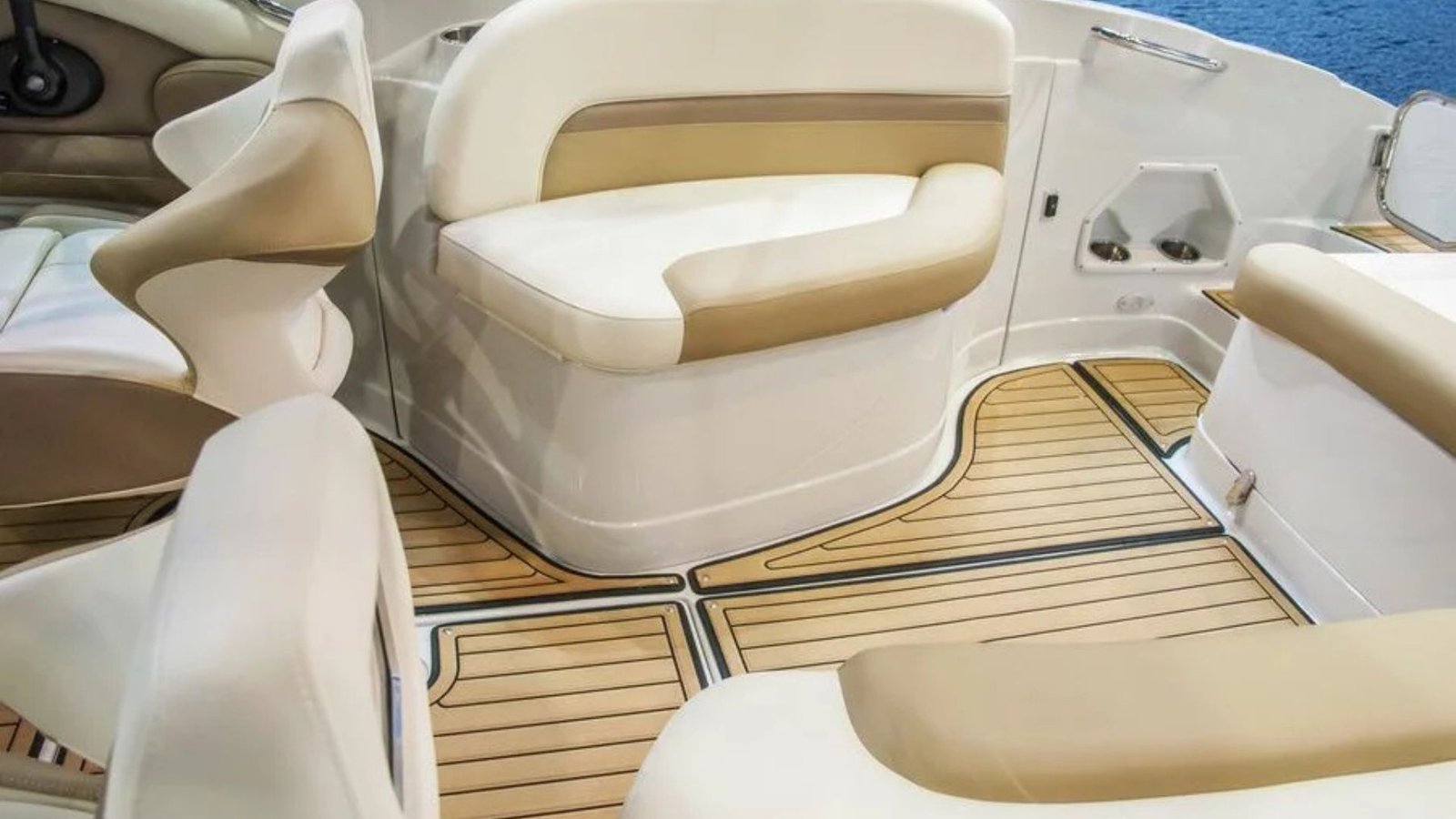
    The deck layout is another area where function and aesthetics meet. A well-planned deck provides ample space for activities like fishing, lounging, or entertaining. To enhance aesthetics, use features like teak flooring, stylish railings, and built-in storage that blends seamlessly with the design.

    6. Use Color and Finish Thoughtfully

    Color and finish are essential to a boat’s aesthetic appeal. While bold colors or high-gloss finishes can make a statement, they should not interfere with the boat’s functionality. For example, reflective surfaces might cause glare in sunny conditions. Neutral colors and matte finishes often strike a perfect balance.

    7. Incorporate Modern Technology

    Modern technology can enhance both functionality and aesthetics. For example, advanced navigation systems and integrated lighting add to the boat’s usability while giving it a high-tech, modern look. These features also appeal to buyers looking for a combination of innovation and style.

    8. Blend Tradition with Innovation

    A successful boat design often blends traditional elements with modern innovations. For instance, classic wood paneling paired with contemporary LED lighting creates a design that respects the past while embracing the future. This balance ensures your boat has timeless appeal while meeting current performance standards.

    9. Keep Maintenance in Mind

    A beautiful boat that’s difficult to maintain loses its appeal quickly. Choose finishes and materials that are easy to clean and maintain without sacrificing their aesthetic qualities. For instance, non-slip decking can be practical and stylish when designed correctly.

    10. Test and Refine Your Design

    Finally, balancing function and aesthetics in boat design requires testing and refinement. Build prototypes, conduct performance tests, and gather feedback to identify areas for improvement. Adjust the design as needed to ensure it meets both functional and aesthetic goals

    Precision and Strategy in Craftsmanship and Competition

    Crafting high-quality, durable projects, especially in specialized fields like boat building, requires meticulous planning and an accurate assessment of all materials and risks involved. This strategic approach—weighing variables to ensure the best outcome—is a common thread in many complex endeavors, from lumber town economics to digital leisure. For enthusiasts seeking entertainment that rewards sharp prediction and research skills, digital platforms that facilitate betting sports offer a competitive outlet. Success in both woodworking and wagering relies fundamentally on making informed decisions backed by quality resources.

    .

    Conclusion

    Balancing function and aesthetics in boat design requires thoughtful planning and attention to detail. By focusing on the purpose, choosing suitable materials, and blending tradition with innovation, you can create a boat that performs well and looks stunning. Whether you’re designing a personal project or a commercial product, remember that the best boats are those that combine beauty and performance effortlessly.

  • Choosing Eco-Friendly Materials for Boat Building

    Choosing Eco-Friendly Materials for Boat Building

    Choosing eco-friendly materials for boat building is more important than ever. As environmental concerns grow, builders like me are finding ways to make sustainable choices. Whether you’re constructing a small kayak or a larger vessel, using green materials helps protect the environment while still creating a durable and functional boat. In this post, we’ll give you everything you need to know about selecting eco-friendly materials for your boat building project.

    Why Choosing Eco-Friendly Materials for Boat Building Matters

    Every decision we make during boat building affects the environment. Traditional boat materials like fiberglass, plastics, and certain paints can harm ecosystems, especially in marine environments. By choosing eco-friendly materials for boat building, we reduce pollution and minimize our carbon footprint. Plus, these materials can still provide the strength and durability we need for our boats.

    Choosing Eco-Friendly Materials for Boat Building
    Choosing Eco-Friendly Materials for Boat Building

    1. Opt for Sustainable Wood

    Wood is a classic boat-building material, but not all wood is eco-friendly. When choosing wood, look for sustainable options like bamboo, reclaimed wood, or FSC-certified timber. These options ensure the wood is harvested responsibly and with minimal environmental impact. Bamboo is particularly great because it grows quickly and is incredibly strong.

    2. Consider Recycled Aluminum

    Aluminum is another excellent choice for boat building, especially if you opt for recycled aluminum. This material is lightweight, durable, and easy to work with. Using recycled aluminum significantly reduces the energy required for production compared to new aluminum, making it a more sustainable option.

    3. Use Plant-Based Resins

    Traditional epoxy resins are petroleum-based and can release harmful chemicals. Instead, I recommend using plant-based or bio-based resins. These resins are made from renewable resources like soybeans or pine oils, which makes them better for the environment. They provide the same strength and bonding properties as traditional resins without the environmental drawbacks.

    Hardwood Flooring and Online Entertainment

    Stangeloh Hardwoods is your premier source for exquisite hardwood flooring, offering a wide selection of high-quality woods. After a long day of transforming your home with stunning flooring, why not indulge in a moment of relaxation? Explore the exciting world of gambling360 online casino america for a bit of fun and entertainment.

    4. Choose Non-Toxic Paints and Finishes

    Paints and finishes can contain harmful chemicals that leach into the water over time. To keep your boat environmentally friendly, use non-toxic and water-based paints. Look for options labeled as VOC-free (volatile organic compounds) or environmentally safe. These paints protect your boat while keeping the water clean.

    5. Consider Natural Fibers for Reinforcement

    Instead of fiberglass, consider using natural fibers like hemp, flax, or jute for reinforcement. These materials are biodegradable, renewable, and surprisingly strong. When combined with plant-based resins, they create a sturdy and sustainable alternative to traditional composites.

    6. Think About Recycled Plastics

    If you need to use plastic components, look for recycled plastics. Recycled high-density polyethylene (HDPE) is a common choice for marine applications. Using recycled plastics helps reduce waste and gives materials a second life instead of adding to landfills.

    7. Look for Eco-Friendly Adhesives

    Adhesives are an essential part of boat building, but many traditional glues contain harsh chemicals. Eco-friendly adhesives made from natural or non-toxic components are a safer choice. These adhesives are strong, water-resistant, and better for both you and the environment.

    8. Reuse and Repurpose Materials

    Another great way to stay eco-friendly is by reusing and repurposing materials. Salvaging parts from old boats or repurposing items like metal fittings can save resources and give your boat a unique touch. This approach reduces waste and lowers the environmental impact of your project.

    9. Focus on Energy Efficiency During Construction

    Building a boat can be energy-intensive, so try to make the process as efficient as possible. Use energy-saving tools and techniques, such as hand tools instead of power tools when practical. By being mindful of energy use, you can reduce the overall environmental impact of your project.

    10. Choose Local Materials

    Sourcing materials locally is another way to make your boat building project eco-friendlier. Local materials reduce the carbon footprint associated with transportation and often support sustainable practices in your community. Plus, you’ll be helping local businesses, which is always a good thing.

    Conclusion

    Choosing eco-friendly materials for boat building is a great way to protect the environment without sacrificing quality. From sustainable wood and recycled aluminum to plant-based resins and non-toxic paints, there are plenty of options that make it easy to build a durable and environmentally responsible boat. By making thoughtful choices, we can create boats that are not only functional but also kind to the planet. If you’re planning a boat project, I encourage you to explore these eco-friendly materials and help make a positive impact on our waterways.

  • Tips for Strengthening Hulls During DIY Boat Construction

    Tips for Strengthening Hulls During DIY Boat Construction

    Strengthening hulls during DIY boat construction is one of the most critical steps to ensure your boat is safe, durable, and ready for any waters you navigate. The hull serves as the backbone of your boat, so it needs to be sturdy and reliable. Whether you’re building a small dinghy or a larger vessel, applying the right techniques and materials will make a huge difference. In this article, we’ll share detailed tips to help you build stronger hulls for your DIY boat project.

    Why Strengthening Hulls During DIY Boat Construction Is Essential

    The hull of your boat bears the brunt of water pressure and impacts. A weak hull can lead to leaks, structural failure, and even accidents. By focusing on strengthening hulls during DIY boat construction, you’ll ensure your vessel is safe and lasts for years. Let’s go through the most effective ways to achieve a strong and resilient hull.

    Strengthening Hulls During DIY Boat Construction
    Strengthening Hulls During DIY Boat Construction

    1. Choose High-Quality Materials

    The foundation of a strong hull starts with the materials you select. Marine-grade plywood, fiberglass, and epoxy resin are some of the best options for DIY boat construction. These materials are durable, water-resistant, and built to withstand the rigors of marine environments. Avoid using inferior materials, as they may weaken over time and compromise the safety of your boat.

    2. Incorporate Proper Reinforcements

    Adding reinforcements is a vital step in strengthening hulls during DIY boat construction. Use stringers, bulkheads, and ribs to provide additional support to the hull structure. These elements distribute stress evenly across the boat, preventing cracks and deformities. Make sure the reinforcements are securely bonded to the hull to maximize their effectiveness.

    3. Use Epoxy for Strong Bonds

    Epoxy resin is a game-changer when it comes to DIY boat construction. It creates a strong, waterproof bond between the materials, enhancing the hull’s integrity. Apply epoxy generously to seams, joints, and reinforcements to seal and strengthen these areas. Allow the epoxy to cure fully before moving on to the next step for the best results.

    4. Layer Fiberglass for Extra Strength

    Fiberglass is a widely used material for strengthening hulls during DIY boat construction. It adds a protective layer to the hull and increases its resistance to impacts. When applying fiberglass, start by cutting it into manageable sheets and laying it over the hull. Use epoxy to adhere the fiberglass to the surface, and ensure there are no air bubbles for a smooth finish.

    5. Focus on the Keel

    The keel is the backbone of your boat, so it requires special attention. Reinforce the keel with additional layers of fiberglass or epoxy to make it more robust. This is particularly important if you plan to use your boat in rough waters or for heavy-duty activities like fishing or hauling equipment.

    6. Pay Attention to Weight Distribution

    A well-balanced hull is crucial for safety and performance. When strengthening the hull, ensure the reinforcements and materials are evenly distributed to prevent uneven weight. Uneven weight can lead to instability and poor handling, especially in challenging conditions.

    Quality Hardwoods for Every Project

    Stangelo Hardwoods provides premium wood products perfect for furniture, flooring, and custom woodworking projects. Their selection ensures durability and elegance for both residential and commercial applications. For additional insights and resources, visit kingjohnnie Site. Enhance your craftsmanship with high-quality materials and expert guidance.

    7. Seal All Joints and Seams

    Even the smallest gaps in your hull can cause problems over time. Water can seep in, leading to rot, mold, or structural issues. Use a marine-grade sealant or epoxy to seal all joints, seams, and edges. This step is especially important in areas where the hull meets other components, such as the deck or transom.

    8. Test for Strength During Construction

    It’s better to identify weak spots during construction than after the boat is in the water. Perform strength tests on the hull as you build it. You can apply pressure to different areas or simulate stress conditions to ensure the hull can withstand the forces it will face. Address any issues immediately to avoid bigger problems later.

    9. Apply a Protective Coating

    Once your hull is constructed and reinforced, protect it with a high-quality marine paint or gel coat. These coatings not only enhance the boat’s appearance but also add an extra layer of protection against water, UV rays, and abrasions. A durable finish will extend the life of your boat and keep it looking great.

    10. Don’t Rush the Process

    Strengthening hulls during DIY boat construction requires patience and attention to detail. Rushing through steps like sanding, sealing, or applying fiberglass can result in mistakes that weaken the hull. Take your time to ensure each step is done properly. A well-constructed hull is worth the effort and will give you peace of mind when you’re out on the water.

    Conclusion

    Building a strong hull is the foundation of a successful DIY boat construction project. By using high-quality materials, reinforcing the structure, and sealing all joints properly, you’ll ensure your boat is safe, durable, and ready to handle the demands of the water. Strengthening hulls during DIY boat construction might take extra time and effort, but the results are worth it. A sturdy hull not only protects your boat but also ensures you and your passengers enjoy a safe and enjoyable experience.

  • Top Tips for Painting a Boat for Durability and Style

    Top Tips for Painting a Boat for Durability and Style

    Painting a boat for durability and style is an essential part of maintaining and improving its appearance and functionality. Whether you are refreshing the look of your boat or protecting it from the elements, the right painting techniques can make a big difference. In this article, we’ll share detailed tips to help you achieve a long-lasting and beautiful finish. With the right tools, techniques, and preparation, you can transform your boat and ensure it stays in excellent condition for years.

    Why Painting a Boat for Durability and Style Matters

    Your boat faces constant exposure to water, sun, and harsh weather conditions. A proper paint job not only improves the boat’s aesthetic appeal but also protects it from rust, corrosion, and wear. When done correctly, painting your boat ensures it lasts longer and maintains its value. Let’s get into the top tips that can help you achieve the perfect finish.

    Painting a Boat for Durability and Style
    Painting a Boat for Durability and Style

    1. Start with a Thorough Cleaning

    Before painting a boat for durability and style, ensure the surface is completely clean. Dirt, grease, and old paint residue can interfere with the adhesion of the new paint. Use a marine-grade cleaner and scrub the surface thoroughly. Pay attention to areas with stains, algae, or mildew, as these can weaken the new paint over time.

    2. Sand the Surface Properly

    Sanding is an essential step in preparing your boat for painting. It removes imperfections, smooths out rough surfaces, and helps the new paint stick better. Use sandpaper with a medium grit for the initial sanding and then switch to a finer grit for a smoother finish. Remember to sand evenly to avoid uneven patches that might show through the paint.

    3. Repair Any Damage Before Painting

    Inspect the surface of your boat for cracks, dents, or other damage. Filling these areas with epoxy or marine filler ensures a smooth and seamless finish. Ignoring these imperfections can result in a less durable paint job. After repairs, sand the filled areas lightly to blend them with the surrounding surface.

    4. Choose the Right Paint for Your Boat

    Selecting the right paint is critical when painting a boat for durability and style. Marine-grade paints are specifically designed to withstand harsh conditions. For the best results, use anti-fouling paint for the hull to prevent algae and barnacle growth. For other areas, opt for polyurethane or enamel paints that provide excellent durability and shine.

    5. Prime the Surface

    Priming is a crucial step that many overlook. Applying a quality marine primer helps the paint adhere better to the surface and provides an even base coat. It also seals the surface, offering an extra layer of protection. Let the primer dry completely before moving on to the next step.

    6. Use High-Quality Painting Tools

    Using the right tools is just as important as choosing the right paint. High-quality brushes, rollers, and sprayers can make the application process smoother and more efficient. A foam roller is ideal for large, flat surfaces, while brushes are great for edges and tight spaces. If using a sprayer, ensure you practice on a scrap piece to get the technique right.

    7. Apply Paint in Thin, Even Coats

    When painting a boat for durability and style, patience is key. Apply the paint in thin, even coats rather than trying to cover everything in one go. This ensures better adhesion and reduces the chances of drips or uneven finishes. Allow each coat to dry fully before applying the next one.

    8. Pay Attention to the Weather

    Weather conditions play a significant role in painting success. Paint your boat on a dry, calm day with mild temperatures. High humidity or strong winds can cause uneven drying or dust particles sticking to the wet paint. Check the weather forecast before starting your project.

    9. Protect Areas Not Being Painted

    Use painter’s tape and plastic sheets to cover areas you don’t want to paint, such as windows, hardware, and trim. This ensures a neat and professional look while saving you time on cleanup later. Carefully remove the tape after painting while the paint is still slightly tacky to avoid peeling.

    10. Finish with a Protective Topcoat

    Once the paint has dried, seal your hard work with a protective topcoat. A clear marine-grade topcoat provides additional durability and enhances the shine. This step helps your boat withstand wear and tear while maintaining its stylish appearance.

    Conclusion

    Painting a boat for durability and style requires careful preparation, the right materials, and attention to detail. By following these tips, you can achieve a professional-looking finish that not only protects your boat but also makes it stand out on the water. Whether you’re restoring an older boat or maintaining a newer one, a well-executed paint job is an investment in its longevity and aesthetics.

  • Best Boat Building Tools Every Enthusiast Needs

    Best Boat Building Tools Every Enthusiast Needs

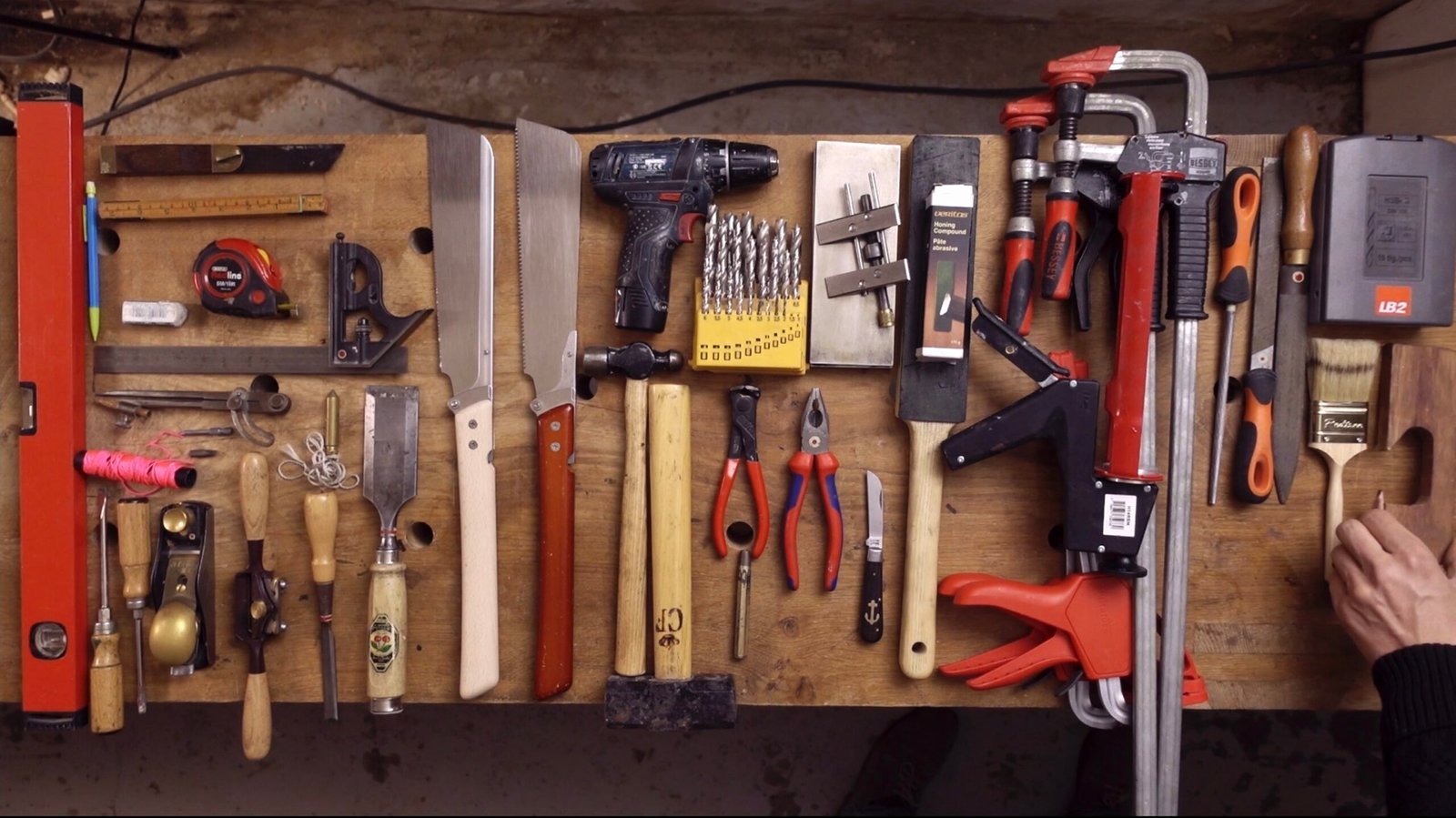
    When it comes to building boats, having the right tools can make all the difference. As a boat enthusiast, you need to know which boat building tools every enthusiast needs to ensure a successful project. Whether you’re a seasoned pro or a beginner, the right tools will help you achieve great results and enjoy the process. In this article, we’ll share the essential boat building tools that every enthusiast should consider having in their workshop.

    Understanding the Importance of the Right Tools

    Using the right tools is crucial in boat building. Not only do they improve the quality of your work, but they also make the process easier and more enjoyable. When you have the right equipment, you can work more efficiently and accurately, reducing the chances of mistakes. Now, let’s explore the best boat building tools every enthusiast needs to get started on their next project.

    Boat Building Tools Every Enthusiast Needs
    Boat Building Tools Every Enthusiast Needs

    1. Tape Measure

    A tape measure is one of the most basic yet essential tools for boat building. Accurate measurements are critical in ensuring that all parts fit together correctly. A good tape measure should be at least 25 feet long, allowing you to measure larger sections of your boat. When measuring, always double-check your dimensions to avoid costly mistakes. Having a reliable tape measure is one of the fundamental boat building tools every enthusiast needs.

    2. Square

    A carpenter’s square, or framing square, is another vital tool in your boat building arsenal. This tool helps you create perfect right angles, ensuring that all parts of your boat are properly aligned. When building a boat, it’s essential to have straight edges and square corners, as this affects the overall structure and stability of the vessel. Using a square will improve the accuracy of your work and contribute to a better final product.

    3. Circular Saw

    A circular saw is a powerful tool that can significantly speed up your boat building process. This saw is perfect for making straight cuts in wood and other materials, allowing you to shape your boat’s components with ease. When choosing a circular saw, look for one with a strong motor and a good blade for cutting various materials. A circular saw is one of the boat building tools every enthusiast needs to handle large cuts quickly and efficiently.

    4. Jigsaw

    For more intricate cuts and curves, a jigsaw is an essential tool to have. This versatile saw can cut various materials, including wood and fiberglass, making it perfect for shaping the contours of your boat. A jigsaw allows you to create detailed designs that are often necessary in boat building. By incorporating a jigsaw into your toolkit, you can achieve the precision and creativity you desire in your projects.

    5. Power Drill

    A power drill is indispensable for drilling holes and driving screws during the boat building process. Look for a cordless model for added convenience, as it allows you to move freely without worrying about cords getting in the way. A power drill will save you time and effort, making it one of the most valuable boat building tools every enthusiast needs. Be sure to have a variety of drill bits on hand for different tasks.

    6. Clamps

    Clamps are essential for holding materials together while you work. They come in various sizes and styles, so having a selection of clamps is beneficial. Using clamps ensures that your pieces stay aligned and secure while you drill or glue them. This tool helps prevent movement and maintains the integrity of your work, making it easier to achieve a perfect fit.

    7. Sanding Tools

    Sanding is a crucial part of the boat building process, as it smooths surfaces and prepares them for finishing. Having a variety of sanding tools, such as orbital sanders, hand sanders, and sandpaper of different grits, will help you achieve a smooth, polished finish. A good sanding tool will make your boat look professional and enhance its durability. Ensuring you have the right sanding tools is key to achieving a high-quality finish.

    8. Safety Gear

    Safety gear is one of the most important boat building tools every enthusiast needs. Always wear safety glasses to protect your eyes from dust and debris while cutting or sanding. Additionally, wearing gloves will help protect your hands from sharp edges and splinters. A dust mask is also essential, especially when sanding or working with fiberglass. Prioritizing safety will ensure you have a successful and enjoyable boat building experience.

    9. Level

    A level is crucial for ensuring that your boat’s structure is straight and even. This tool helps you verify that all parts are aligned correctly, preventing any unwanted warping or tilting. A level can be particularly helpful when installing frames and bulkheads. Using a level is an essential step in boat building to ensure everything fits together properly.

    10. Workbench

    Lastly, a sturdy workbench is vital for any boat building project. Your workbench should be spacious enough to accommodate your materials and provide a stable surface for cutting and assembling your boat. Having a well-organized workspace will help you stay focused and efficient. Investing in a good workbench is essential for any boat enthusiast who takes their projects seriously.

    Conclusion

    In conclusion, having the right boat building tools every enthusiast needs is essential for a successful project. From measuring and cutting to securing and finishing, each tool plays a crucial role in the boat building process. By investing in these essential tools, you can enhance your skills and enjoy creating beautiful boats. With the right equipment at your disposal, you’ll be well on your way to mastering the art of boat building.

  • Ways of Preventing Rot in Wooden Boats

    Ways of Preventing Rot in Wooden Boats

    Preventing rot in wooden boats is essential for maintaining their beauty and functionality. Wooden boats are a joy to own, but they require special care to keep them in great shape. When wood is exposed to moisture for too long, it can lead to rot, which weakens the structure and shortens the life of your boat. In this article, we’ll share effective strategies for preventing rot in wooden boats, ensuring that your investment remains safe and sound.

    Understanding Rot in Wooden Boats

    Before we discuss ways of preventing rot in wooden boats, it’s important to understand what rot is. Rot is caused by fungi that thrive in moist environments. When wood absorbs water and does not dry out, it creates the perfect breeding ground for these fungi. The signs of rot include soft, discolored areas on the wood and a musty smell. Recognizing the early signs of rot can help you take action before it spreads.

    Preventing Rot in Wooden Boats
    Preventing Rot in Wooden Boats

    1. Choose Quality Materials

    One of the first steps in preventing rot in wooden boats is selecting quality materials. Using rot-resistant woods, like mahogany or cedar, can greatly reduce the risk of decay. These types of wood contain natural oils that help repel moisture and pests. By choosing high-quality, rot-resistant wood, you lay a strong foundation for your boat.

    2. Proper Sealing and Finishing

    To protect your wooden boat, it’s crucial to apply a good sealant or finish. Using marine-grade varnish or paint creates a barrier against moisture. Be sure to cover all exposed surfaces, including the edges and any joints. Apply multiple coats for the best protection, allowing each coat to dry thoroughly before applying the next. This step is vital for preventing rot in wooden boats, as it minimizes moisture absorption.

    3. Regular Inspections

    Regular inspections are key to identifying any signs of rot early. Check your boat frequently for soft spots, discoloration, or mold. Pay special attention to areas that are often exposed to water, such as the hull and transom. If you notice any issues, address them immediately to prevent further damage. By staying vigilant, you can catch problems before they escalate.

    4. Keep It Dry

    Moisture is the enemy of wooden boats, so keeping your boat dry is essential for preventing rot. After using your boat, make sure to dry it thoroughly before storing it. Remove any water that may have accumulated in the bilge or other areas. When storing your boat, keep it in a well-ventilated area to allow any moisture to evaporate. Ensuring proper drainage will also help keep your boat dry and rot-free.

    5. Use Proper Storage Techniques

    When storing your boat, use techniques that promote airflow. Storing your boat on blocks or stands allows air to circulate underneath. Avoid placing it directly on the ground, as this can trap moisture. If you use a cover, choose one that is breathable to prevent moisture buildup. Proper storage techniques play a significant role in preventing rot in wooden boats.

    6. Control Humidity Levels

    Controlling humidity levels is crucial, especially in enclosed spaces like garages or sheds. If you live in a humid climate, consider using a dehumidifier to reduce moisture in the air. Keeping the humidity low will help prevent mold growth and rot. Monitoring the humidity levels regularly will allow you to take action if they rise too high.

    7. Apply Anti-Fungal Treatments

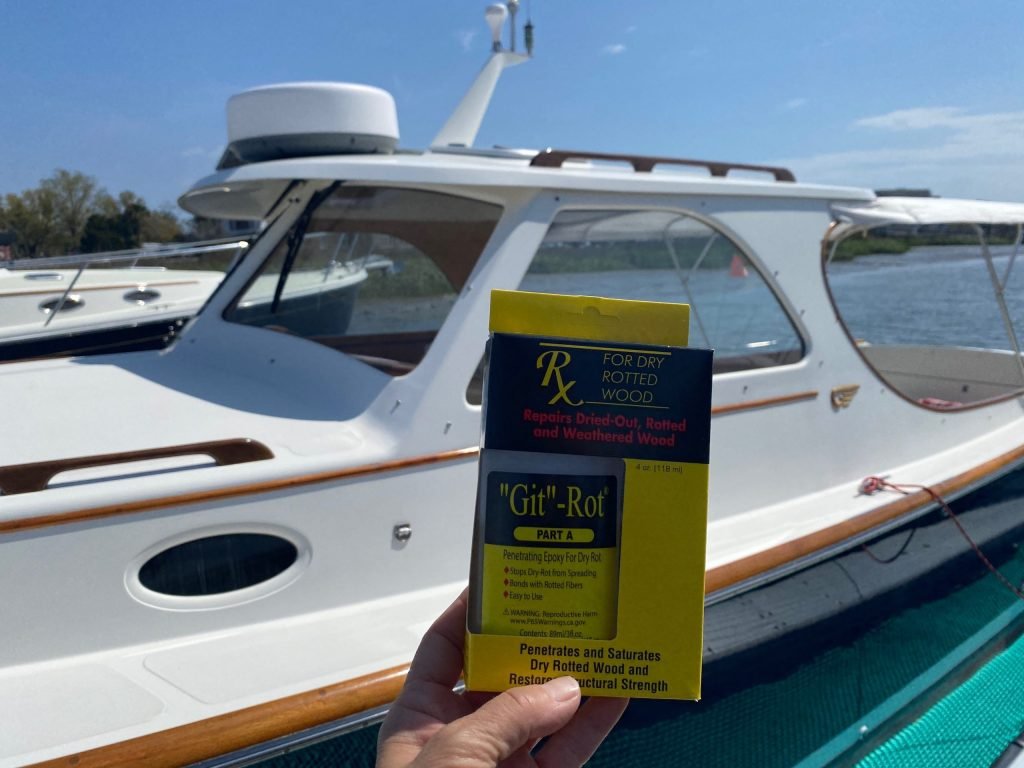
    Using anti-fungal treatments on your boat can provide an extra layer of protection against rot. These treatments are designed to kill fungi and prevent future growth. Look for products specifically made for marine applications to ensure they are safe and effective. Applying these treatments periodically can help extend the life of your boat and reduce the risk of decay.

    8. Address Leaks Promptly

    If you notice any leaks in your boat, address them immediately. Leaks can introduce moisture into areas where it can cause rot. Regularly check for signs of water intrusion, such as wet spots or discoloration. Repair any leaks as soon as they are detected to prevent moisture from damaging the wood.

    9. Keep the Bottom Clean

    Keeping the bottom of your boat clean is another important step in preventing rot. Algae and barnacles can trap moisture against the wood, leading to rot. Regularly cleaning the bottom of your boat will help keep it dry and free from debris. Use a scrub brush or pressure washer to remove any growth, and consider applying a bottom paint designed to prevent marine growth.

    10. Learn from Experience

    Finally, learning from experience is essential for preventing rot in wooden boats. Join local boating clubs or forums where you can share tips and advice with other boat owners. Their experiences can provide valuable insights into maintaining your boat and preventing rot. By learning from others, you can apply best practices to your own boat care routine.

    Conclusion

    Preventing rot in wooden boats is crucial for maintaining their beauty and functionality. By choosing quality materials, applying proper finishes, and performing regular maintenance, you can keep your boat in excellent condition. Staying vigilant and taking proactive steps will ensure that your wooden boat remains a source of joy for years to come.