If you have ever sat at a busy table in Western Sydney and held a pair of tens, you know the instinct to break them apart can feel louder than the dealer’s shuffle. The better move is usually to stand, because two tens already form a strong hand that rarely improves by gambling on two weaker starting points. This article looks at why that discipline matters, how premium operators frame the decision, and what it says about the kind of service you should expect when the stakes rise.
Why the Stand Wins More Often
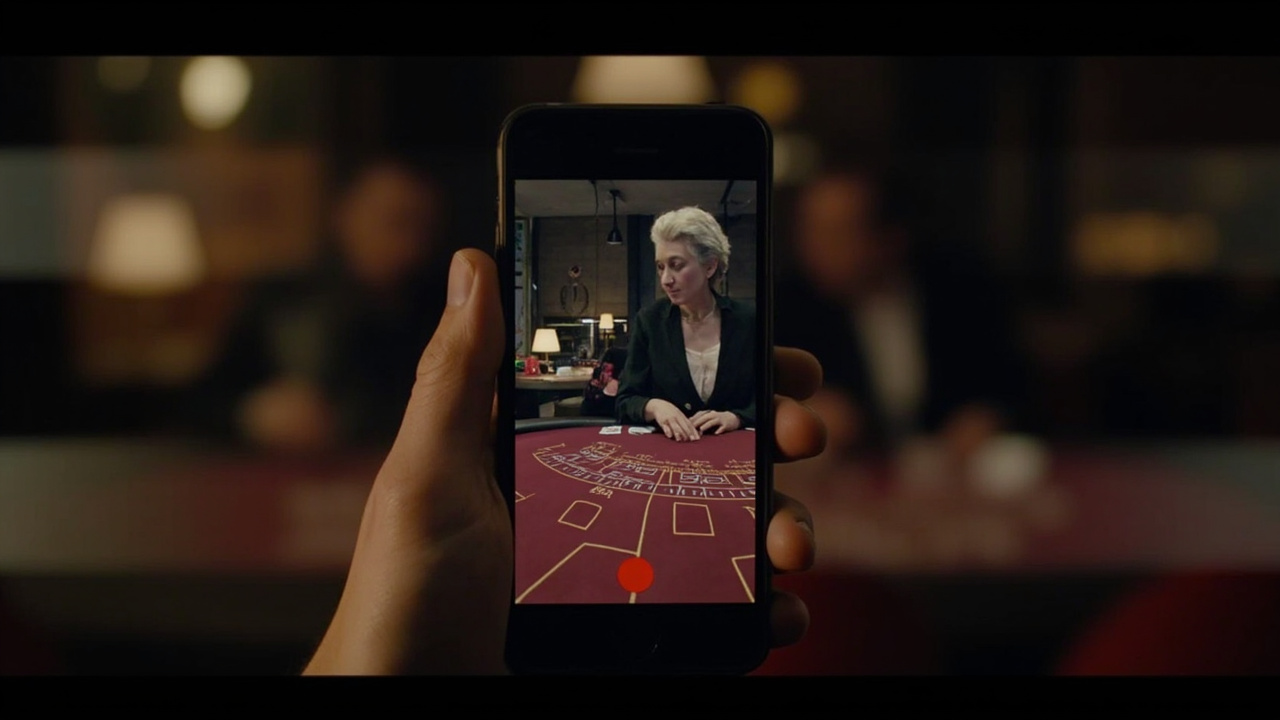
A pair of tens gives you a hard total of twenty, which is already sitting on the edge of what the dealer can reliably beat. Splitting turns one strong position into two hands that each start from ten, and most of the cards that can land there will weaken your overall expectation rather than lift it. The math is straightforward: you are trading a very good chance of winning one bet for two thinner chances that depend heavily on what the dealer shows.
That is why experienced players treat blackjack 10 10 never split as a baseline rule rather than a stylistic preference. It is less about chasing a perfect outcome and more about protecting a hand that already has real strength. When you are playing for longer sessions or stacking comps, preserving capital matters as much as any single win.
Some operators reinforce that mindset through their table design and pace. If the interface is cluttered or the pace feels rushed, it is easier to make impulsive splits just to feel active. A cleaner layout and clearer signage keep the decision in front of you, which is the kind of precision service that separates a casual room from a properly managed one.
How Premium Operators Frame the Decision
The best rooms do not just tell you the rule; they make the right choice easier to see and easier to stick with. That starts with the table itself. Cards are laid out with enough space that a pair of tens is visually distinct, and the dealer’s upcard is never hidden behind signage or a busy felt pattern. When you can read the situation in a second, you are less likely to second-guess a stand that the math already supports.
Navigation and localisation matter here too. A room that wants serious players to stay needs menus and prompts in plain English, with currency displayed in AUD and no awkward rounding that muddies bet sizing. If you are moving between a desktop screen and a phone, the same information should travel with you without relearning the layout. That is the kind of everyday usability that keeps a session focused instead of frustrating.
Support is where the difference becomes concrete. When a question about splitting etiquette or table limits comes up, you want a response that is specific, not a generic script. I have seen loyalty programs that treat every query the same, and I have seen VIP desks that actually remember a player’s usual stakes and timing. The latter is the model worth looking for, because it turns a rule like blackjack 10 10 never split into part of a broader standard of care rather than a one-off reminder.
| Detail | What to expect |
|---|---|
| Positioning | Precision tables for regular players, not novelty crowds |
| Games and providers | Established blackjack variants with clear rule signage |
| Bonus mechanics | Transparent terms, no hidden split-related traps |
| Payments and currencies | AUD focus with straightforward withdrawal paths |
| Registration | Simple entry, identity checks handled properly |
| Mobile | Same layout and information across devices |
| Support | Specific responses, not boilerplate replies |
| Loyalty | Tiered recognition that rewards discipline and time on table |
The practical test is simple: does the room reward patience, or does it nudge you toward action for its own sake? A well-run operator knows that a player who understands when to stand is more likely to return than one who is constantly chasing splits that do not pay. That is the judgement call I make when I assess any premium environment, and it applies as much to a blackjack table as it does to a high-end loyalty program.
Who This Approach Suits Best
This way of playing is not for someone who wants constant motion or a table that feels like a slot floor. It suits players who are comfortable letting a strong hand sit, who read the dealer’s upcard before they act, and who would rather build a session than chase a single hand. If you are the type who values comps, steady play, and a room that notices your rhythm, the stand on tens fits your priorities.
It also suits players who care about localisation and clarity. When the table language is plain, the currency is familiar, and the support team can answer a specific question without looping you through a generic menu, the whole experience feels designed for you rather than mass-produced. That is the kind of everyday usability that matters over a long arvo at the tables, especially when you are managing your bankroll with discipline.
If you prefer a room that treats precision as a feature, you will recognise the value quickly. The decision to stand on a pair of tens is small in isolation, but it adds up across a session and across visits. That is the player-fit this approach is built around: calm, deliberate, and willing to let the math do the work.
The point is not to turn every hand into a lecture. It is to recognise that a rule like blackjack 10 10 never split is easiest to follow when the room around it is built for clarity, not pressure. When the table, the interface, and the support all reinforce the same standard, you spend less time second-guessing and more time playing the hand you actually have. indian dreaming pokie machine
When players feel rushed, even the simplest blackjack 10 10 never split rule gets twisted by emotion. Clear layouts, calm dealers, and steady expectations let the math speak for itself. Guides like this blackjack split or stand guide show how quiet structure keeps decisions grounded instead of chaotic.