



In the past three years, mobile esports has grown from a niche hobby into a mainstream competitive force, drawing crowds that rival traditional PC and console tournaments.
Early Adoption and Infrastructure
Australia’s first mobile esports event, Mobile Masters 2018, attracted 2,300 participants across three cities. The organizers used a single 5G‑enabled arena in Melbourne to stream matches live, cutting latency to under 30 ms for each viewer. Since then, state governments have invested in public Wi‑Fi upgrades, ensuring that a 10‑minute mobile match can be streamed with minimal buffering even in rural towns.
Professional players now routinely train on the same hardware as their peers: a mid‑range Samsung Galaxy S21 Ultra paired with a high‑refresh‑rate gaming headset. Coaches schedule 4‑hour sessions daily, mirroring the practice regimens of console teams.
Key Titles and Competitive Formats
Three games dominate the Australian mobile scene:
- Call of Duty: Mobile – The national championship features 128 teams, split into four regional brackets, culminating in a 32‑team finals held in Sydney.
- Mobile Legends: Bang Bang – The Aussie League hosts 64 teams, with a double‑elimination format that keeps spectators engaged for 12‑hour weekends.
- Clash Royale – Though traditionally a casual game, the 2025 Pro League introduced a 5‑minute rapid‑fire tournament that drew over 50,000 live viewers on Twitch.
Each title offers a distinct skill set: reaction speed for Call of Duty, strategic resource management for Mobile Legends, and deck building for Clash Royale. Teams often cross‑train to diversify their skill sets, a practice that has become a hallmark of Australian mobile esports.
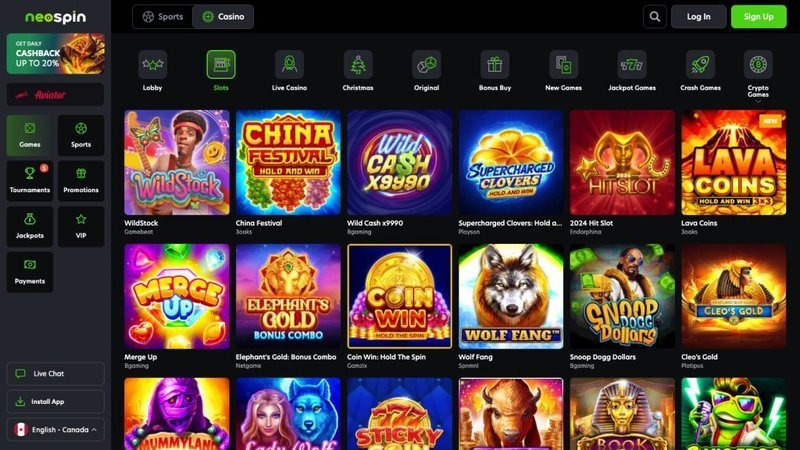
Fans of the sport can also explore online casino options that blend gaming excitement with chance, such as Neospin, offering a wide range of slots and table games.
Economic Impact and Sponsorship
Revenue streams have expanded beyond ticket sales. In 2024, the Australian Mobile Esports Association reported a $3.2 million prize pool across all national events, a 45 % increase from 2022. Sponsorship deals with brands like Samsung, Coca‑Cola, and local breweries now cover 60 % of the total budget, with the remainder coming from broadcast rights and merchandise sales.
However, smaller teams still struggle. The cost of a high‑end smartphone, a stable internet connection, and travel to tournaments can exceed $5,000 annually, a barrier that keeps many talented players from turning professional.
Training Academies and Talent Development
Several academies have sprung up, offering structured training programs. GamerNation Academy, founded in Brisbane, offers a 12‑week curriculum that covers mechanics, team communication, and mental resilience. Their graduates have moved on to represent Australia in the Mobile World Championship, a global event with a $1.5 million prize pool.
While the academies provide excellent resources, they also face criticism for a narrow focus on a handful of titles, potentially overlooking emerging games that could become the next big thing.
Community and Cultural Shifts
Mobile esports has lowered the entry barrier. A recent survey found that 78 % of Australian players began competitive gaming on a budget phone, often using free or low‑cost streaming apps. This inclusivity has fostered a diverse community, with players from remote Indigenous communities now participating in national qualifiers.
Yet, the community still grapples with toxicity. A 2023 incident involving a professional player on a live stream led to a temporary ban, highlighting the need for stricter moderation policies across all platforms.
Looking Forward
With 5G rolling out nationwide and more games adopting cross‑platform play, the next wave of mobile esports will likely see hybrid tournaments that combine mobile and console players. The industry is also exploring blockchain‑based in‑game assets, which could provide additional revenue streams for players and teams.
While challenges remain—particularly around equitable access and content moderation—the momentum is undeniable. Australia’s mobile esports scene is not just growing; it’s reshaping how competitive gaming is perceived and monetized across the globe.
Frequently Asked Questions
What sparked the rise of mobile esports in Australia?
The launch of Mobile Masters 2018, a 5G‑enabled tournament, showcased low latency play and attracted thousands, proving the viability of mobile competitions.
How does 5G improve mobile esports?
5G reduces latency to under 30 ms, allowing real‑time gameplay and live streaming that rivals PC and console experiences.
Which cities host the biggest mobile esports events?
Melbourne, Sydney, and Brisbane have the largest arenas and audience turnout, supported by state government infrastructure investments.
Can I compete in mobile esports as a hobbyist?
Yes; many events offer amateur brackets, and online platforms provide practice leagues and tutorials for beginners.