

Newcastle Jets strategy and projects experience taught me that commercial execution fails without clear fan engagement. The same logic applies to table games. Craps strategy prop bets demand discipline, not hope. Many Australians chase noise at the table, ignoring the maths behind each roll. This review focuses on payment flows, cashier behaviour, and whether the platform handles AUD deposits cleanly. If the money movement feels clunky, the game is irrelevant. We test the practical side first, then look at where prop bets actually fit a sensible session.
Payment flow and cashier behaviour
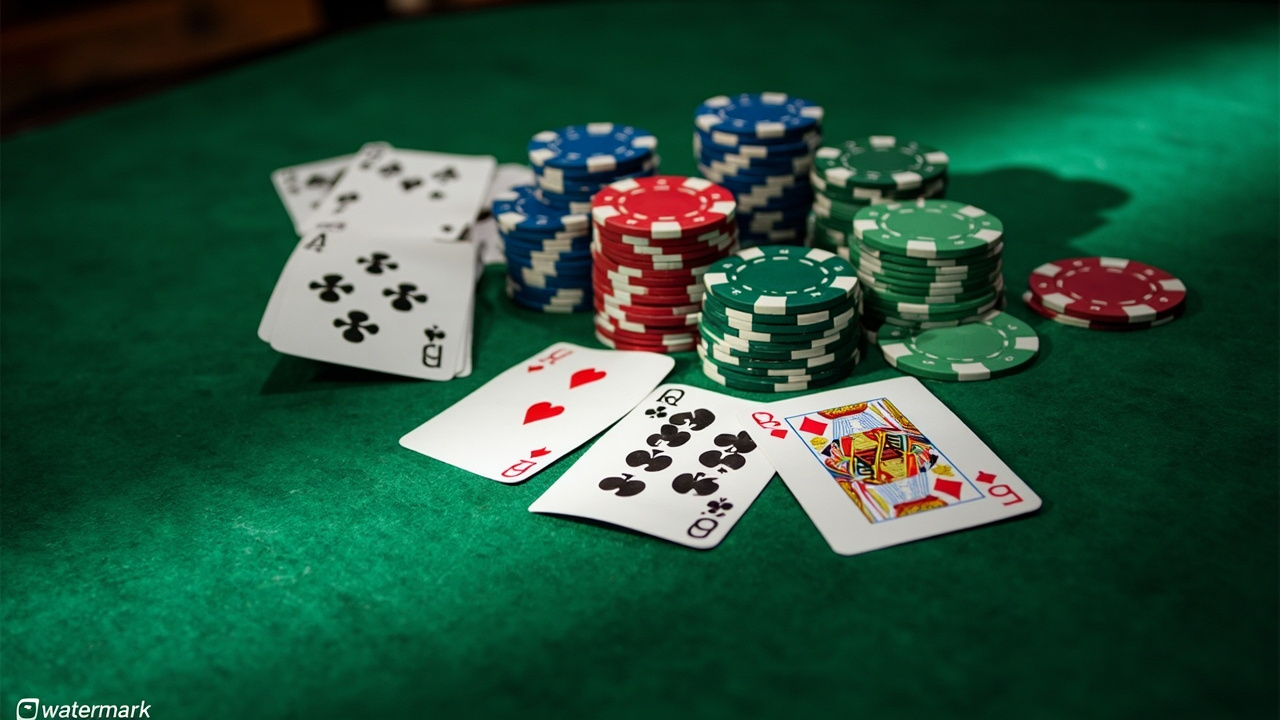
A clean cashier tells you a lot about how a table game operator treats real money. Registration should ask for standard identity details, then route you to a deposit screen that lists AUD as the working currency. Card entries, POLi-style transfers, and trusted e-wallet paths should appear without hidden routing steps. Processing ought to feel immediate for deposits, while withdrawals move through a verification check before any payout hits your account. Limits should be visible up front, not buried in fine print after you have already funded the account. I have seen sports commercial projects go sideways when payment terms were vague, and casino cashiers are no different. A platform that makes verification straightforward, keeps currencies consistent, and shows processing windows plainly is doing the boring work properly. That matters more than a flashy lobby when you are moving money in and out around a Geelong session or a quick arvo at the table. plinko ball shoot
Where prop bets fit a sensible session
Prop bets in craps are the side action that can spice a table, but they are not the engine of a sensible plan. A pass line decision, a don’t pass stance, or a controlled odds approach usually does the heavy lifting. Props sit on the side because the house edge on many of them is steeper, so they work best as small, deliberate diversions rather than the core of your session. If you are treating the table like a structured project, you keep prop action capped and separate from your main line. That way a hot streak on a side bet does not rewrite your discipline, and a cold run does not drag your base plan down with it. The point is to know which bets are entertainment and which ones are carrying your strategy.
Two player-fit scenarios
The first scenario suits a methodical player who wants a steady base and only a little side action. This person sets a base bet, takes odds where the table allows, and uses prop bets sparingly for variety. The cashier needs to support modest deposits, quick top-ups, and withdrawals that do not stall after verification. The second scenario suits a social player who likes the noise of the table and wants a few prop bets to keep things lively. That player still benefits from clear limits, visible processing times, and AUD-denominated balances so there is no currency guesswork. Both profiles need the same underlying setup: honest limits, predictable withdrawals, and a registration flow that does not ask for more than it should. If the platform handles those basics cleanly, the difference between the two players is just how they spend their attention at the felt.
Practical setup and mobile use
A sensible setup starts before the first roll. Register with accurate details, complete verification promptly, and load the account in AUD so your balance matches what you actually intend to spend. From there, pick a base bet you can repeat without chasing, then decide in advance how much side action you will allow on props. Keep that side budget separate in your head, because mixing it with your main line is how sessions drift. Mobile play should mirror the desktop cashier rather than shrink it into a confusing menu, with the same deposit paths, the same withdrawal status visibility, and the same support access if a transaction stalls. If you want a different kind of fast-paced side action on a phone, you can also check the plinko ball shoot for a separate flavour of play, but craps still rewards a measured plan over impulse. Support should answer plain questions quickly, loyalty rewards should stay transparent, and the whole experience should feel consistent rather than improvised.
A good craps session is mostly about managing money and expectations, not hunting a miracle roll. If deposits land cleanly, withdrawals move after verification, and prop bets stay a small part of the plan, the table becomes a manageable night out rather than a messy spend. That is the difference between a disciplined operator and a flashy one, and it is the same kind of judgement I bring from sports commercial work to any fan-facing product.